


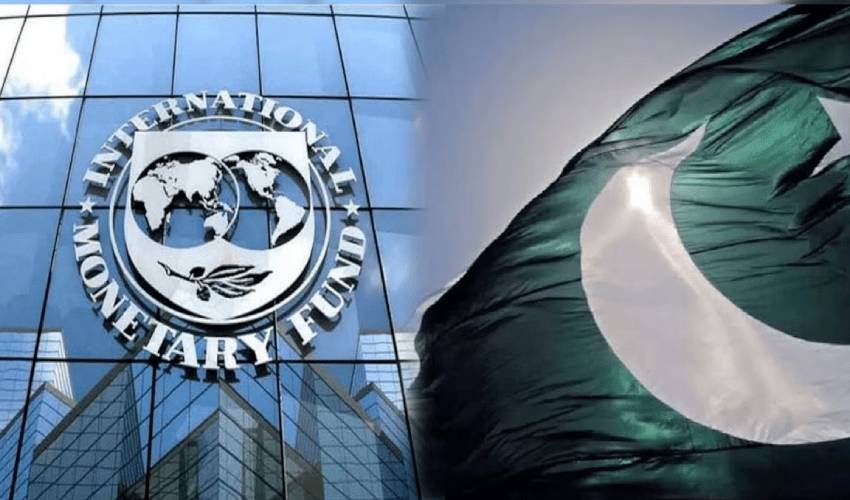
Pakistan has spent over two decades talking about what the War on Terror cost the country after 9/11. Now, a former top government economist says a different bill is actually bigger — the one from following IMF policies. Here’s what was said, the numbers behind the claim, and what it means in simple terms.
What Was Said
Dr. Ashfaque Hassan Khan, a former Economic Adviser to Pakistan’s Ministry of Finance, said in a TV interview on October 4, 2026, that IMF-directed economic policies have hurt Pakistan’s economy more than the War on Terror did. He put real numbers behind the claim:
- Cost of IMF policies: around $148 billion over just the last five years
- Cost of the War on Terror: around $130 billion, spread over 13 years after 9/11
- IMF loans actually received in that time: only about $6 to $7 billion
In simple words, his argument is this: Pakistan lost far more money following IMF-prescribed policies in five years than it lost fighting a 13-year war — while only getting a small loan amount in return.
Why He Says This
Dr. Ashfaque’s main target was the State Bank of Pakistan’s high interest rate, currently around 11.5%. His argument, explained simply:
- High interest rates are normally used to cool down an economy when people are spending and borrowing too much (called “demand-side” inflation).
- But Pakistan’s current inflation, he says, is coming from a different place — rising wheat prices, higher fuel costs, and increased petroleum taxes (called “supply-side” inflation).
- Raising interest rates doesn’t fix supply-side inflation. It just makes borrowing more expensive for businesses and slows down the whole economy, without actually bringing fuel or food prices down.
His point is that keeping interest rates this high — a policy closely tied to IMF program conditions — is squeezing businesses and growth without solving the real problem.
How This Compares to the War on Terror’s Cost
The War on Terror figure isn’t new or disputed — Pakistani government estimates have long put the war’s economic cost at well over $100 billion since 2001, covering lost investment, damaged infrastructure, military operations, and disrupted trade in the years following the September 11, 2001 attacks. What makes Dr. Ashfaque’s comparison notable is the scale: he’s saying a shorter, five-year stretch of IMF-linked policy has cost more than thirteen years of war-related damage.
Why This Debate Matters Right Now
Pakistan is currently in an active IMF loan program, with the country depending on IMF reviews and tranche releases to keep its finances stable. Critics like Dr. Ashfaque argue that the conditions attached to these loans — especially tight monetary policy and tax measures — come at a cost to ordinary growth and businesses that outweighs the benefit of the loan amounts themselves. Supporters of the program, on the other hand, argue that without IMF support, Pakistan would have faced a much more severe financial crisis, including a possible default.
Frequently Asked Questions
Who made this claim?
Dr. Ashfaque Hassan Khan, a former Economic Adviser to Pakistan’s Ministry of Finance, made the comparison in a television interview on October 4, 2026.
What is the War on Terror’s cost based on?
Pakistani government estimates have put the economic cost of the War on Terror at over $100 billion since the September 11, 2001 attacks, covering lost investment, infrastructure damage, and disrupted economic activity.
Is Pakistan still in an IMF program?
Yes, Pakistan is currently in an active IMF lending arrangement, with the country’s economic policies tied to conditions set under that program.
Does this mean Pakistan should leave the IMF program?
That wasn’t stated in the claim — Dr. Ashfaque’s comments focused specifically on criticizing the current high interest rate policy, not on whether Pakistan should exit the program altogether.
Whether or not the exact dollar comparison holds up to scrutiny, the claim highlights a real and ongoing debate in Pakistan: whether the economic policies required to keep IMF support flowing are costing the country more than they’re giving back.
