


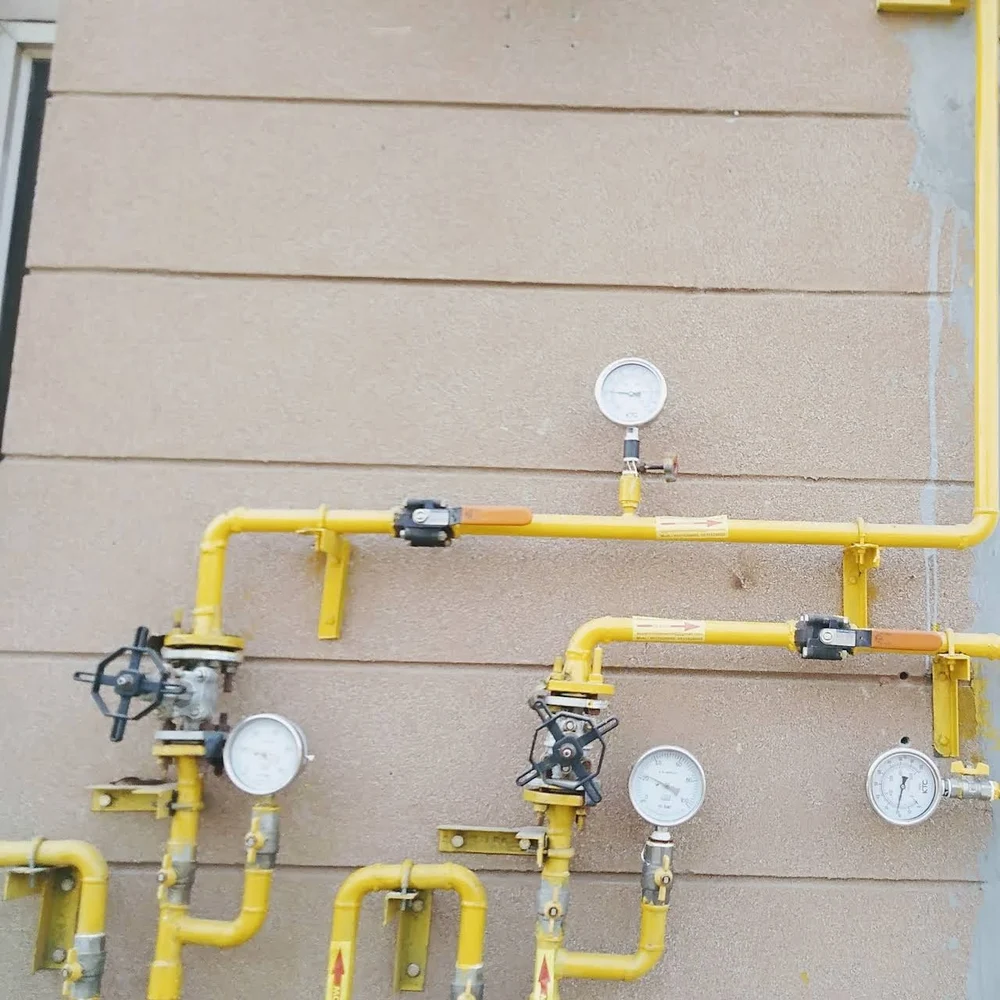
After a years-long freeze on new domestic gas connections, SNGPL and SSGC have started accepting applications again — but not on the old terms. New connections now run on imported RLNG pricing rather than regular system gas, and come with a priority queue that can affect how long you’ll wait. Here’s exactly how to apply and what to expect.
Why New Connections Work Differently Now
SNGPL and SSGC had stopped issuing new domestic gas connections for an extended period due to gas shortages. That freeze has now been lifted, but with a condition: new connections are supplied using imported RLNG (Re-gasified Liquefied Natural Gas) rather than regular domestic system gas. This means:
- Your gas bill will be priced using the RLNG tariff, which moves with international LNG prices and is revised monthly by OGRA.
- RLNG pricing is generally higher than regular system gas, though still cheaper than LPG cylinders.
- You’ll be asked to sign an affidavit or supply contract accepting this variable pricing, without the option to later switch back to a fixed system-gas rate.
Step 1: Check Which Priority Category You Fall Into
If you’d applied for a connection years ago before the freeze, you may already be in the queue. SNGPL is processing applications in the following order:
- Old applicants (3-4+ years ago) who already paid an urgent fee: Pay a smaller price differential to get connected first.
- Old applicants who paid a standard demand notice: Pay the price differential, plus an urgent fee if you want faster service.
- Fresh applicants under the new RLNG tariff: Apply now, wait for a demand notice, then pay it (and the urgent fee, if applicable).
- Applicants still waiting under the old system-gas tariff: Must submit a fresh application specifically for an RLNG-based connection, since field offices are no longer processing new system-gas tariff applications.
If you’re applying for the first time, you’ll fall into the third category — expect to wait behind existing backlog applicants, which in some regions runs into the millions.
Step 2: Submit Your Application
You can apply either online or in person, depending on your gas company:
- SNGPL (Punjab, KP, Islamabad, Azad Kashmir): Apply online through the official SNGPL application form at sngpl.com.pk, or visit your nearest SNGPL regional office to collect and submit the form in person.
- SSGC (Sindh, Balochistan, including Karachi): Download the RLNG domestic connection form from the official SSGC website, ssgc.com.pk, and submit it along with your documents.
If applying on paper, fill the form in capital letters and submit it along with the documents listed below.
Documents You’ll Need
- Copy of your CNIC
- Proof of property ownership (or a tenancy agreement, if renting with the owner’s consent)
- A copy of a gas bill from a neighboring, already-connected property, to help confirm network availability in your area
Step 3: Site Inspection and Demand Notice
Once your application is submitted, SNGPL or SSGC will inspect your site to assess technical feasibility — whether the gas network already reaches your area or needs extension. If approved, you’ll receive a Demand Notice (or Proposal Letter), which includes payment details and a list of certified contractors for the internal pipeline installation.
Fees You Can Expect
| House Size | Demand Notice Fee | Security Deposit | Total |
|---|---|---|---|
| Up to 10 marlas | Rs. 20,000 | Rs. 20,000 | Rs. 40,000 |
| Above 10 marlas | Rs. 23,000 | Rs. 20,000 | Rs. 43,000 |
If you want faster processing, an urgent connection fee (reported around Rs. 25,000 to Rs. 80,000 depending on the category and region) can move your application ahead in the queue. Confirm the exact current fee with your regional office, as these figures are periodically revised.
What to Know Before You Apply
- There’s no fixed timeline for new connections, especially for fresh applicants — the backlog in some SNGPL regions, particularly Punjab, has reportedly reached into the millions.
- RLNG pricing isn’t locked in — it changes monthly based on international rates, so your gas bill will fluctuate more than a typical system-gas household’s.
- If your old connection was disconnected for more than a year, reconnection will also move you onto the RLNG tariff rather than restoring your old system-gas rate.
Frequently Asked Questions
Can I still get a connection on the old system-gas tariff?
No. Field offices are no longer accepting new applications under the regular system-gas tariff — all new domestic connections are issued on the RLNG tariff.
How long does it take to get a new gas connection?
There’s no guaranteed timeline. Applicants from the existing backlog are served first, and fresh applicants may wait significantly longer depending on their region and network availability.
Is RLNG gas more expensive than regular gas?
Yes, RLNG pricing is generally higher than the regular domestic system-gas rate, though it remains cheaper than using LPG cylinders.
What if I applied years ago and already paid a fee?
You’re likely in one of the priority categories — check with your regional SNGPL or SSGC office about the price differential you need to pay to move forward with an RLNG connection.
Applying for a new gas connection today means accepting RLNG pricing and a queue that depends heavily on your region and application history. Submitting your documents correctly the first time, and confirming your priority category with your local office, is the best way to avoid unnecessary delays.
