


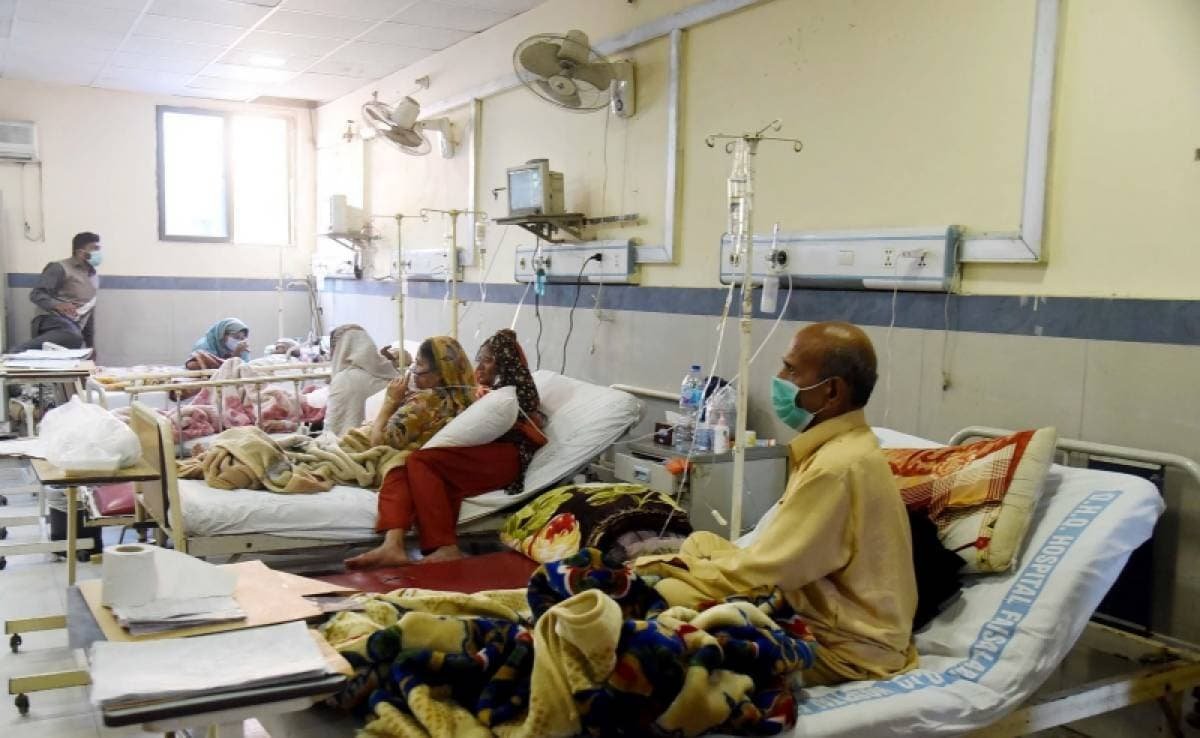
Here’s some good news for anyone trying to apply for the Punjab Health Card: there’s no separate card to apply for anymore. Punjab has moved to a CNIC-based system under the Sehat Sahulat Programme, so your national ID card itself is your ticket to free treatment at participating hospitals, if you’re eligible. Here’s how it actually works.
Your CNIC Is Your Health Card
Punjab has removed the old plastic health card entirely. Under the current system, run by the Punjab Health Initiative Management Company (PHIMC) on behalf of the Specialized Healthcare and Medical Education Department, your 13-digit CNIC number is used directly to check eligibility and receive treatment — there’s no separate registration form or physical card to request.
Who Is Currently Covered
Coverage in Punjab isn’t uniform across the whole province yet:
- 11 districts across the Lahore, Dera Ghazi Khan, and Sahiwal divisions — the entire population is covered, regardless of income.
- 25 other districts — coverage is limited to underprivileged households, persons with special needs, and the transgender community.
The Punjab government has stated plans to eventually extend free coverage to the entire province, though no firm date has been announced. Coverage applies to all age groups, with no limit on family size, and pre-existing conditions are included.
Step 1: Check Your Eligibility by SMS
This is the quickest way to find out if your CNIC is already covered:
- Open your phone’s Messages app.
- Type your 13-digit CNIC number, without any dashes.
- Send it to 8500.
- You’ll typically get a reply within seconds, confirming whether you’re eligible and listing a helpline number along with a link to the hospital list.
Keep a small SMS balance available, since this service deducts a standard text message fee depending on your network.
If your CNIC comes back as not eligible, it usually means either your area hasn’t been fully registered yet, or you fall outside the current coverage criteria for your district. In that case, contact the helpline directly to confirm your status.
Step 2: Using It at a Hospital
- Choose a participating (“empaneled”) public or private hospital from the official hospital list.
- Bring your original CNIC with you — no other documents are needed to begin.
- Go directly to the Sehat Card counter at the hospital.
- Your eligibility and treatment coverage are verified on the spot using your CNIC.
What’s Actually Covered
| Package | Annual Coverage (Per Family) |
|---|---|
| Secondary care (general hospitalization) | Up to Rs. 60,000 |
| Major/priority diseases (cancer, cardiac, kidney, etc.) | Up to Rs. 400,000, extendable to Rs. 1,000,000 in special circumstances |
Coverage also includes one day of pre-hospitalization and five days of post-hospitalization care, including medicines. Treatment is cashless at the point of service — you shouldn’t be asked to pay out of pocket for covered procedures at an empaneled hospital.
Frequently Asked Questions
Do I need to apply or register separately for the Punjab Health Card?
No. There’s no separate application process — your CNIC is used directly for eligibility checks and treatment under the current system.
How do I know if my district is fully covered or only covers underprivileged households?
Send your CNIC number to 8500 to get an instant eligibility response, or call the program helpline to confirm your district’s current coverage status.
What’s the helpline number for Sehat Sahulat queries in Punjab?
0800-09009 (toll-free). Landline numbers for Lahore are also available: 042-99066000 and 042-99066001.
Can I use this card at any hospital in Punjab?
Only at hospitals empaneled under the program — both public and private facilities licensed by the Punjab Healthcare Commission can participate. Check the official hospital list before visiting.
Since your CNIC already functions as your health card, the only real step you need to take is checking your eligibility via SMS — no forms, no waiting, and no separate card to track down.
