



After years of patents, prototypes, and speculation, Apple has finally confirmed the date: its first-ever Apple foldable phone will be unveiled on September 9, 2026. The company sent official press invitations on August 26, 2026, under the tagline “Surprise and Shine,” ending nearly a decade of rumors about whether Apple would ever enter the folding phone race. Here’s everything confirmed and rumored so far.
<!– –>
It’s Official: September 9 Event Confirmed
Apple has confirmed its September special event for Wednesday, September 9, 2026, at 10:00 a.m. Pacific Time at Apple Park in Cupertino. The invite’s “Surprise and Shine” tagline is widely read as a nod to the biggest reveal of the event: Apple’s first new iPhone form factor since the original iPhone X launched in 2017. This will also be the first keynote hosted by John Ternus, who officially becomes Apple’s CEO on September 1, 2026, as Tim Cook transitions to executive chairman.
Alongside the foldable, Apple is expected to announce the iPhone 18 Pro and iPhone 18 Pro Max, both built on the new A20 Pro chip. Notably, there will be no standard iPhone 18 this year — Apple has reportedly pushed the more affordable model to spring 2027, keeping September’s lineup focused entirely on premium devices.
What Apple’s Foldable Phone Is Actually Called
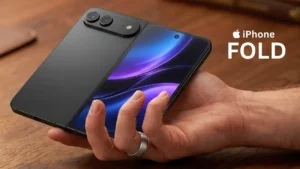
Apple has not confirmed an official name yet, and reporting is genuinely split between two candidates: “iPhone Fold,” favored by Bloomberg’s Mark Gurman and most Western outlets, and “iPhone Ultra,” preferred by several Asian supply-chain leakers. Given Apple’s existing “Ultra” branding on the Apple Watch and Mac lineups, some analysts believe Ultra is the more likely fit for a device positioned at the very top of the iPhone range.
Expected Design and Display
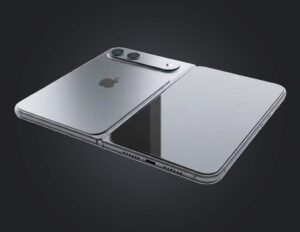
Multiple supply-chain reports and leaked renders point to a book-style folding design similar in concept to Samsung’s Galaxy Z Fold line, but reportedly wider and shorter — sometimes described as a “passport-style” fold. Key expected specs include:
- Cover display: Approximately 5.3 to 5.5 inches
- Inner display: Approximately 7.6 to 7.8 inches, roughly a 4:3 aspect ratio similar to an iPad mini
- Thickness: Around 4.5mm unfolded and 9 to 9.5mm folded
- Crease reduction: Apple is reportedly using liquid metal hinge components and ultra-thin glass to minimize the visible crease, a persistent weak point on rival foldables
- Frame material: Titanium, consistent with Apple’s current Pro-line construction
Cameras, Chip, and Battery
The foldable is expected to use the A20 Pro chip, the same chip powering the iPhone 18 Pro models, built on a 2nm process. On the camera front, reports point to two 48MP rear cameras — likely a standard wide and ultrawide — along with two separate front-facing cameras, one for use when the phone is closed and another for the unfolded inner display. Notably, a dedicated telephoto lens appears to be absent, likely due to space constraints inside the thin folding chassis.
Battery reporting has shifted over the course of 2026. Early leaks suggested a very large 5,000mAh-plus battery split across two cells, but more recent supplier-registration data points to a combined capacity closer to 4,883mAh — still substantial, but more conservative than initial rumors suggested.
Touch ID Instead of Face ID
One of the more surprising expected trade-offs is the return of Touch ID, integrated into the power button, rather than Face ID. This would make it Apple’s first new flagship device in years to skip Face ID entirely, likely a space-saving decision necessitated by the thin folding design.
iPhone Fold vs Samsung Galaxy Z Fold: Quick Comparison
Since Apple’s foldable enters a category Samsung has led for seven years, here’s how the expected specs compare to Samsung’s current flagship foldable:
| Feature | Apple iPhone Fold / Ultra (expected) | Samsung Galaxy Z Fold 8 |
|---|---|---|
| Inner Display | ~7.6–7.8 inches, ~4:3 ratio | Comparable book-style large display |
| Biometrics | Touch ID (no Face ID) | Fingerprint sensor + face unlock |
| Telephoto Camera | Not expected at launch | Included |
| Starting Price | ~$1,999 (estimates range up to $2,500 for top storage) | Lower starting price than Apple’s expected entry point |
| Market Experience | First-generation device | Multiple generations of refinement |
Price and Release Timeline
Most current estimates put the starting price around $1,999, with higher-storage configurations potentially reaching $2,399 to $2,500 — making it Apple’s most expensive iPhone ever at launch. Following the September 9 keynote, pre-orders are expected to open around September 11 or 12, with retail availability expected from September 18. Analyst Ming-Chi Kuo has projected Apple will ship between 3 and 5 million units in the device’s first year, a deliberately limited first run consistent with Apple’s historical approach of entering new categories cautiously before scaling up.
Why Apple Waited So Long
Huawei launched the first mainstream foldable, the Mate X, back in 2019, and Samsung has iterated on its Galaxy Z Fold line for seven years. Apple’s typical strategy — entering established categories only once the underlying technology has matured — appears to be playing out again here. Analysts frame this as a calculated bet: rather than compete on being first, Apple is competing on refinement, hoping features like the reduced crease and titanium build will justify both the wait and the premium price tag.
Frequently Asked Questions
When will Apple officially announce its foldable iPhone?
Apple has confirmed its event for September 9, 2026, at 10:00 a.m. Pacific Time, where the foldable iPhone is widely expected to be unveiled alongside the iPhone 18 Pro and Pro Max.
What will Apple’s foldable iPhone be called?
Apple has not confirmed a name. “iPhone Fold” and “iPhone Ultra” are both circulating in reporting, with no official confirmation from Apple as of this article’s publication.
How much will the Apple foldable phone cost?
Current estimates point to a starting price around $1,999, with higher-storage models potentially reaching $2,399 or more, though Apple has not confirmed official pricing.
Will Apple’s foldable iPhone have Face ID?
Current reports suggest it will use Touch ID integrated into the power button instead of Face ID, likely due to space constraints in the folding design.
With the event date now locked in, the wait for Apple’s first foldable phone is nearly over. Official confirmation of the name, full specifications, and pricing will come directly from Apple on September 9, 2026 — until then, everything above remains based on supply-chain reporting and analyst leaks rather than confirmed company details.
