


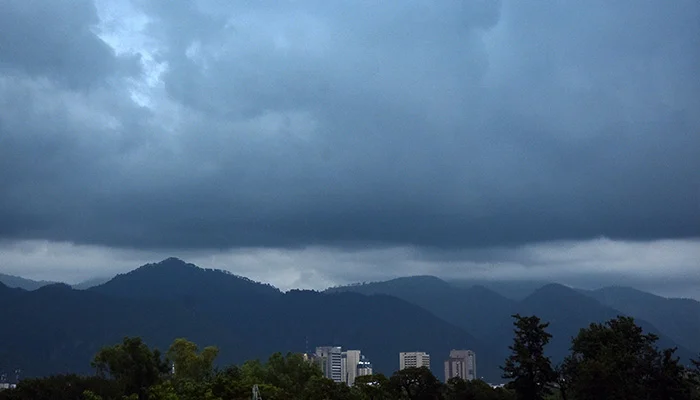
Pakistan is bracing for another round of climate uncertainty as a strong El Niño event takes hold in the Pacific — one that global weather authorities say is now firmly established and expected to keep strengthening in the months ahead.
What’s Actually Happening
The World Meteorological Organization (WMO) says El Niño conditions are now clearly in place in the tropical Pacific, with close to a 100% probability that the event will persist through February 2027. El Niño develops when sea-surface temperatures in the central and eastern tropical Pacific rise well above normal, weakening the trade winds that usually push warm water westward. That shift doesn’t stay confined to the Pacific — it reshapes atmospheric circulation patterns that influence rainfall, temperature, and extreme weather risk across large parts of the world, including South Asia.
Why This Matters for Pakistan
According to research from the Pakistan Meteorological Department (PMD), strong El Niño years have historically lined up with reduced summer monsoon rainfall across the country. That’s a significant concern for a country that depends heavily on the monsoon for both agriculture and replenishing its water reservoirs.
Pakistan has already had a rough monsoon season this year — Karachi recorded its lowest monsoon rainfall in nearly 29 years, and global ocean temperatures hit their highest levels ever recorded, both signs consistent with the kind of Pacific warming that tends to weaken South Asia’s monsoon system.
Expected Regional Impact
| Region | Likely Impact |
|---|---|
| Punjab & Khyber Pakhtunkhwa | Below-normal rainfall; higher risk of dry spells affecting crops |
| Sindh & Balochistan | Higher risk of drought-like conditions; water conservation becomes critical |
| Northern glacier regions | Elevated temperatures accelerating glacial melt, raising flood risk from glacial lakes |
| Nationwide | Increased likelihood of early and more intense heatwaves |
A Double Bind: Too Little, Then Too Much Water
Pakistan’s water challenge with El Niño isn’t simple scarcity — it’s volatility. The country regularly swings between heavy rainfall and flooding on one end, and prolonged water shortages on the other, often within the same year. A weaker monsoon driven by El Niño adds pressure to that already fragile balance, with knock-on effects for irrigation, crop yields, and food prices. At the same time, El Niño years tend to push global temperatures higher overall, compounding Pakistan’s existing exposure to extreme heat.
What Needs to Happen Now
Climate researchers and disaster-management officials are calling for Pakistan to shift from reactive disaster response toward proactive preparation well before the next extreme weather event hits. Recommended priorities include:
- Stronger inter-agency coordination between the PMD, National Disaster Management Authority (NDMA), provincial disaster authorities, irrigation departments, and health agencies
- Early warning systems that trigger real action — deploying rescue teams, preparing hospitals, and issuing timely guidance to farmers before conditions worsen
- Water storage infrastructure, including small dams, rainwater harvesting, and groundwater recharge projects to capture water during wet periods for use during dry spells
- Urban flood protection, including safeguarding natural drainage channels from encroachment and factoring both extreme rainfall and prolonged heat into city planning
Final Thoughts
Pakistan can’t influence whether El Niño forms or how strong it becomes — but it can control how prepared the country is when the effects arrive. With the WMO pointing to a prolonged and potentially intense event stretching into 2027, the window to strengthen early-warning systems, water storage, and flood protection is now, rather than after the next monsoon shortfall or heatwave takes hold.
