


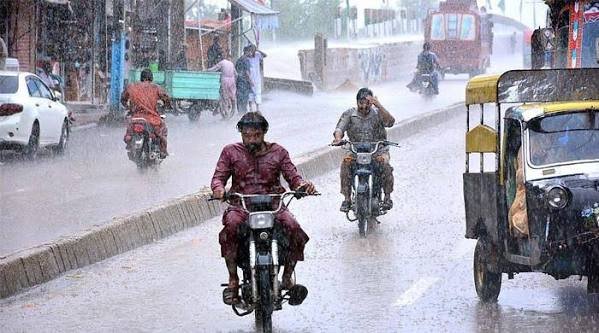
Heavy rain broke a stretch of hot weather across Rawalpindi and Islamabad on Tuesday, with the twin cities receiving around 45mm of rainfall overall — enough to bring real relief to residents, even as authorities kept drainage and traffic teams on alert throughout the downpour.
How Much Rain Different Areas Received
| Area | Rainfall |
|---|---|
| Bokra | 42mm |
| Golra | 36mm |
| New Katarian | 36mm |
| Shamsabad | 35mm |
| Pirwadhai | 34mm |
| Saidpur | 15mm |
| Twin cities overall | ~45mm |
Water Levels and Drainage Response
With rainfall this significant, authorities didn’t take any chances with Rawalpindi’s flood-prone Nullah Lai. The Water and Sanitation Agency (WASA) was placed on high alert, deploying personnel around Nullah Lai and other low-lying areas, with heavy machinery kept ready to manage any water accumulation or drainage issues. Water levels were recorded at 8.5 feet at Katarian and 5 feet at the Gawalmandi Bridge — figures well within normal range, but closely monitored given the area’s history of flash flooding during intense downpours.
Traffic Advisory in Islamabad
Islamabad Traffic Police (ITP) issued a traffic advisory while heavy rain continued across the capital, warning that water accumulation on roads could slow traffic and urging commuters to exercise caution. Drivers in low-lying and flood-sensitive areas were advised to anticipate delays and possible road conditions affected by pooling water.
Why This Rain Mattered So Much
The relief comes after a stretch of hot, humid weather typical of Islamabad and Rawalpindi’s early-to-mid September climate, when average highs typically hover around 33–34°C with humidity intensifying how hot conditions actually feel. A burst of rain like this doesn’t just cool temperatures temporarily — it also helps replenish groundwater and improve inflows into the reservoirs the twin cities depend on for their water supply.
A Recurring Pattern This Monsoon Season
This wasn’t an isolated event — Rawalpindi and Islamabad have seen several rounds of heat-breaking rain throughout the 2026 monsoon season, though with notably uneven intensity from one spell to the next. Some earlier spells this year brought far heavier rainfall — including over 150mm in parts of E-11 within minutes during a severe early-September event that forced school closures and evacuations near Nullah Lai — while Tuesday’s 45mm fell into a more moderate, manageable range that provided relief without triggering the same level of emergency response.
What to Expect Next
Islamabad typically sees around 10–11 rainy days in September, with monthly rainfall historically averaging around 45mm for the entire month — meaning Tuesday’s single spell already matched what the city would typically expect across the whole month in an average year. Residents should keep an eye on official PMD and WASA updates for any further spells, particularly given how quickly rainfall intensity has varied between different events this monsoon season.
Final Thoughts
Tuesday’s 45mm of rain offered welcome, genuine relief from the twin cities’ recent heat, while authorities’ proactive drainage and traffic response reflects lessons learned from more severe flooding earlier in the season. With Rawalpindi and Islamabad’s monsoon pattern continuing to swing between moderate and severe spells, staying alert to official weather advisories remains the most practical way for residents to navigate whatever comes next.
