


Meta has spent billions of dollars trying to keep up in the AI race. But as CEO Mark Zuckerberg gets ready to unveil new AI-era products on Wednesday, the company is facing growing criticism over privacy — especially around its smart glasses.
What’s Happening This Week
Meta’s yearly Connect conference kicks off at its Menlo Park headquarters at 4pm PT on Wednesday (4am Pakistan time on Thursday). Zuckerberg will give the opening keynote speech to an audience mostly made up of developers.
Meta’s New AI Assistant: Muse
Earlier this month, Meta launched Muse — its first “agentic” app, meaning an app built to actually do tasks for you, not just answer questions. Once you connect your personal accounts (things like banking, health, or shopping apps), you can ask Muse to do things on your behalf: sign up for a service, book an appointment, or even make a phone call.
Muse runs on Meta’s own AI models and is meant to compete directly with OpenAI’s ChatGPT and Anthropic’s Claude. It’s already run into friction, though — Amazon blocked Meta this week from letting its AI bots shop automatically on Amazon’s site. On the other hand, companies like Instacart, Shopify, and Expedia have agreed to let their services work with Muse instead.
The Bigger, Longer Story: Smart Glasses
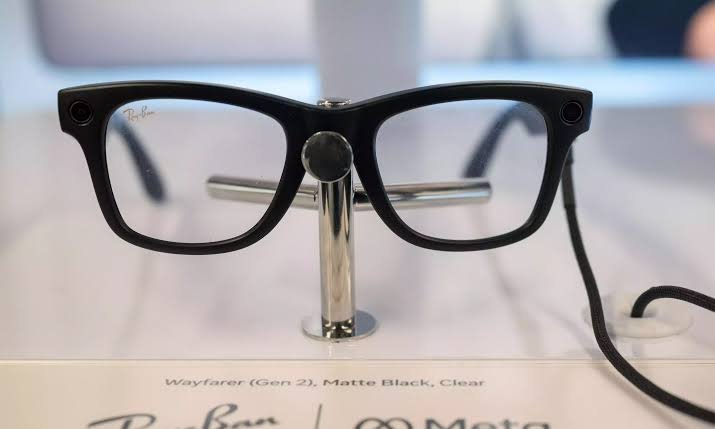
Meta’s smart glasses journey actually started back in 2021 — about a year before ChatGPT’s release kicked off the current AI boom. Since then, the glasses have gotten more advanced. Last year, Meta introduced “display” glasses that can actually project images onto the lenses. Earlier this year, it also released its own AI glasses, on top of its ongoing partnership with EssilorLuxottica, the company that makes the Ray-Ban Meta glasses.
The Privacy Backlash: “Pervert Glasses”
The excitement around these glasses didn’t last long before privacy concerns took over. Critics started calling them “pervert glasses” — since the devices can quietly record video of people around the wearer without those people necessarily realizing it.
Last year, Meta’s chief product officer Chris Cox brushed off the criticism, telling reporters (including AFP) that “social norms” would eventually develop around how people use smart glasses in public. More recently, Meta has made a specific promise: a recording light will always be visible when the glasses are filming, and if someone tries to tamper with that light, the camera itself will stop working.
Meta is reportedly also working on a new pair of audio-only glasses, and there are rumors of a future mixed-reality version too.
Meta’s Bigger Problem: Children’s Safety
Privacy concerns around smart glasses are just one part of a much bigger pattern for Meta. The company has been dealing with children’s safety and privacy issues worldwide. In August, Meta settled a lawsuit brought by dozens of US state attorneys general, who accused the company of breaking state and federal laws on consumer protection and children’s online privacy. As part of that settlement, Meta agreed to pay up to $18 billion in fines and put new restrictions in place for teenage users.
Meta also continues to face social media bans and restrictions for younger users in various countries, plus thousands of personal injury lawsuits still working their way through US state courts.
Final Thoughts
Meta is pushing hard into AI and wearable tech at the same time it’s trying to manage a growing list of privacy and child-safety controversies — and Wednesday’s Connect event will show just how far the company is willing to lean into both. Whatever Zuckerberg announces, the bigger question hanging over Meta right now isn’t whether its AI and glasses are impressive — it’s whether the company can convince the public it’s actually handling the privacy risks responsibly.
