


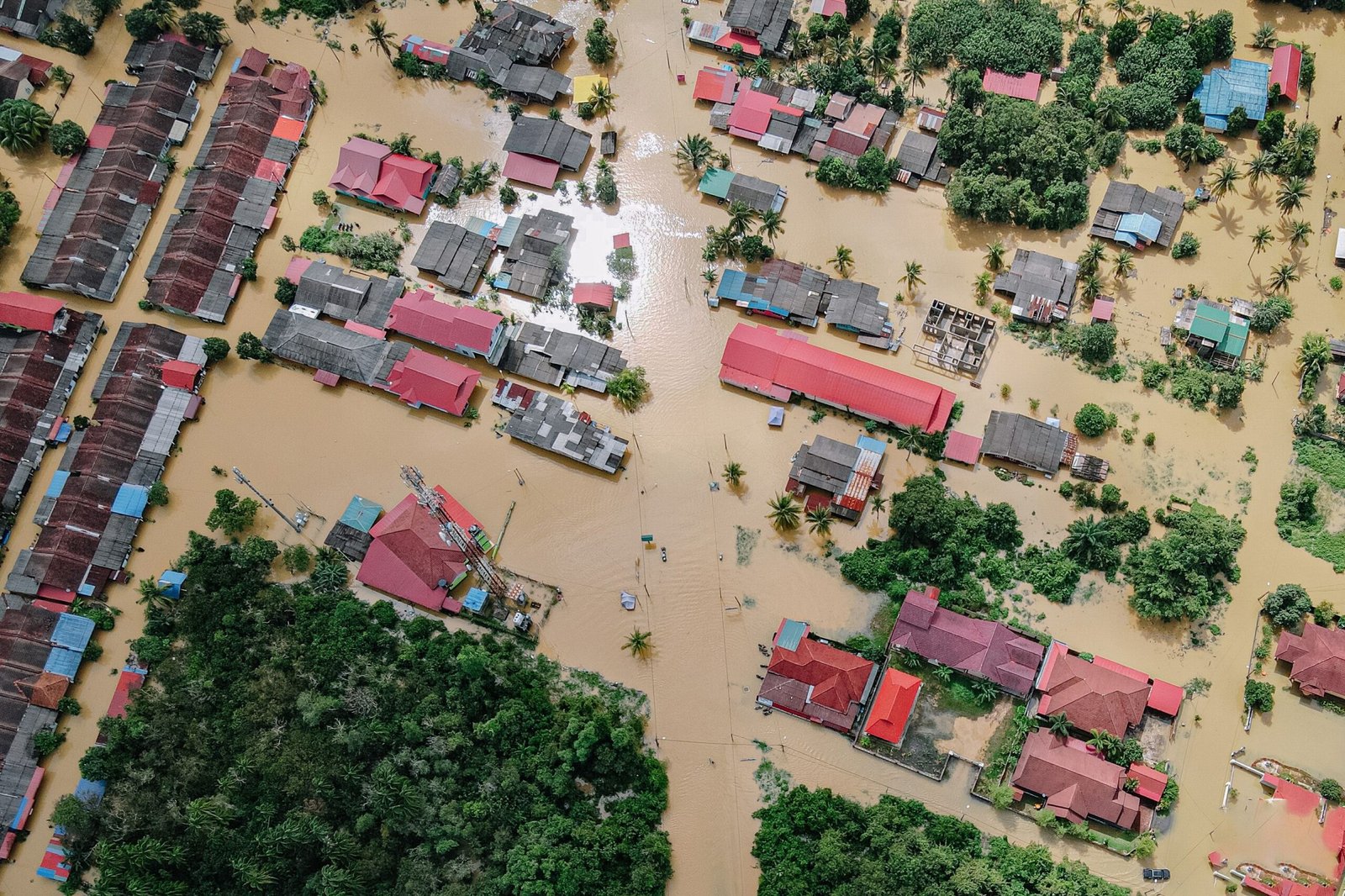
As the world heads toward the next UN climate summit in Turkey, the argument that wealthy, industrialized nations owe developing countries like Pakistan a “climate debt” is resurfacing — and it’s worth understanding both what’s being claimed and where the pushback comes from.
What the “Climate Debt” Argument Says
The core idea, advanced by economists and policy analysts like Shakeel Ahmad Ramay in a recent op-ed, rests on the United Nations Framework Convention on Climate Change (UNFCCC), which calls on parties to “protect the climate system for the benefit of present and future generations of humankind.” Advocates argue this means industrialized nations — which built their economies on decades of high carbon emissions — carry a historical responsibility that developing countries, which contributed far less to global emissions, shouldn’t have to shoulder alone.
Pakistan is frequently cited as a case study: the 2022 floods alone caused an estimated $30 billion in damage, in a country that contributes a small fraction of global emissions. Advocates for this argument point out that wealthy nations have repeatedly fallen short of their own commitments — including unmet Kyoto Protocol emissions targets and the long-promised $100 billion-a-year global climate finance pledge, which developing countries say hasn’t been fully delivered.
What’s Being Asked For
- That rich nations fulfill the financial commitments they’ve already made, rather than continuing to fall short.
- That climate finance be delivered as grants and direct assistance rather than loans — critics argue that funding developing countries’ climate adaptation through debt just deepens existing financial strain.
- Scrutiny of mechanisms like the EU’s Carbon Border Adjustment Mechanism (CBAM), a levy on imports based on their carbon footprint, which critics argue protects EU competitiveness while discouraging investment in developing economies rather than helping them transition.
- A push for what some are calling a “historical responsibility tax” on companies and economies that were major historical emitters, to be raised as part of discussions at the upcoming COP summit in Turkey.
The Other Side of the Debate
This isn’t a settled question, and wealthy nations and institutions have their own counterarguments:
- Some developed countries argue that climate finance figures are already substantial and growing, and that attributing a specific historical “debt” is difficult to calculate fairly given how emissions, growth, and global trade have evolved over time.
- There’s ongoing disagreement over how to define and verify “loss and damage,” the UN mechanism meant to address climate-related destruction in vulnerable countries — agreement on the principle hasn’t translated into agreement on implementation or scale.
- Critics of proposals like a historical responsibility tax argue that unilateral taxation of foreign companies could create trade disputes and discourage the very investment developing countries are trying to attract.
- Some economists note that climate finance commitments compete with other global priorities and domestic political pressures in donor countries, making large, rapid increases politically difficult regardless of the moral argument.
Why This Keeps Coming Back
This debate resurfaces around every major UN climate summit, and the upcoming COP in Antalya, Turkey is expected to be no exception. Pakistan, along with other climate-vulnerable developing nations, has consistently used these forums to press for climate justice rather than aid framed as charity — arguing the distinction matters both practically and symbolically.
Frequently Asked Questions
Is “climate debt” an officially recognized term in international law?
No. It’s a policy and advocacy framing used by developing countries and climate justice advocates, not a formal legal obligation under current international agreements.
Has the $100 billion-a-year climate finance pledge been met?
Developing countries and various climate organizations say it has repeatedly fallen short of both the target amount and the terms (grants vs. loans) that were originally envisioned, though reported figures vary by source and year.
What is the EU’s Carbon Border Adjustment Mechanism (CBAM)?
It’s a levy the EU applies to certain imports based on their carbon emissions, intended to prevent companies from relocating production to countries with weaker climate rules. Critics in developing countries argue it functions more as a trade protection measure than a climate finance tool.
What happened with Pakistan’s 2022 floods specifically?
The floods caused an estimated $30 billion in damage and were widely cited internationally as a stark example of a low-emissions country bearing severe climate costs.
Whether or not the term “climate debt” gains formal traction, the underlying argument — that climate finance delivery hasn’t matched climate finance promises — is likely to remain a central point of friction heading into the next round of UN climate talks.
