


Iran says it’s still reviewing the latest US proposal aimed at ending the two countries’ ongoing conflict, as indirect communication between Washington and Tehran continues through mediators including Pakistan. Here’s where things currently stand.
What’s Happening Right Now
Iran’s government says it has received the latest US proposal and is reviewing it internally before responding, continuing a pattern that’s defined this roughly eight-month-long conflict: Washington and Tehran aren’t talking to each other directly, but are exchanging proposals and messages through mediators, chiefly Pakistan, alongside Qatar.
Iran’s foreign ministry has previously said it would convey its response to the US through Pakistani channels, consistent with its approach since earlier this year, when Islamabad first delivered a US proposal to Tehran and later hosted direct talks between the two sides in Islamabad.
Why the Strait of Hormuz Is Central to This
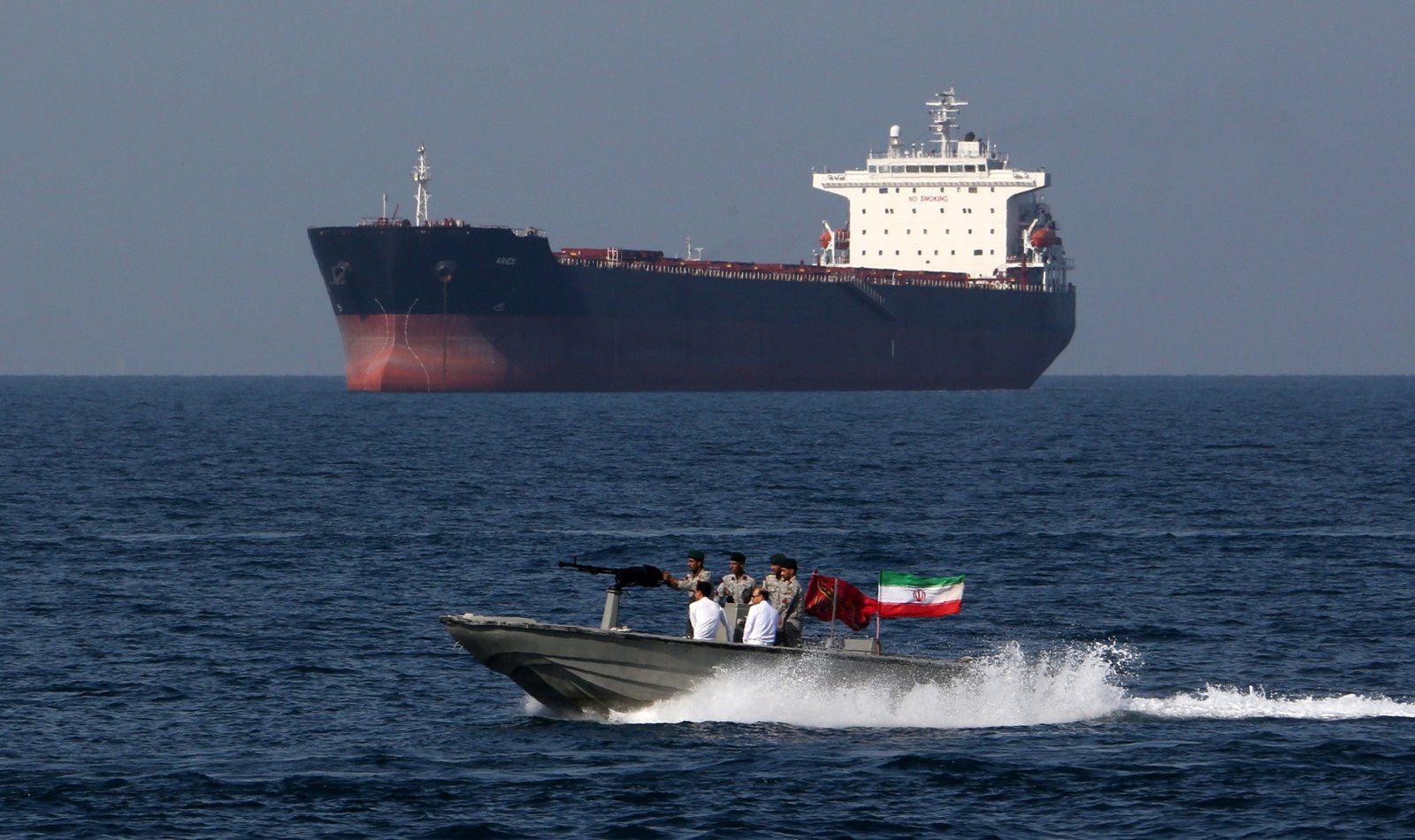
A key sticking point remains the Strait of Hormuz, the narrow waterway near Iran that normally carries about a fifth of the world’s oil and fuel shipments. Iran has said it won’t fully reopen the strait until the US lifts its naval blockade, returns to the terms of an earlier memorandum of understanding the two sides had signed, releases frozen Iranian funds, and refrains from imposing new sanctions. The US, for its part, maintains the strait is “functioning,” even though shipping traffic through it has remained far below normal and isolated incidents — including an attack on a tanker by an unidentified projectile — have kept commercial shipping wary.
Pakistan’s Continuing Role
Pakistan has positioned itself as the primary conduit for these indirect talks for much of this year, delivering proposals between Washington and Tehran, brokering short-term ceasefires, and hosting a round of negotiations in Islamabad. Pakistani officials have generally described the ultimate decision on any deal as a “sovereign” matter for the US and Iran themselves, framing their own role as facilitation rather than pushing either side toward a specific outcome.
Recent Developments Adding Pressure
- US President Donald Trump recently said the US would not attack Iran before the November 3 midterm elections, while maintaining that the current blockade would stay in place.
- The US added new sanctions this past week targeting individuals, companies, and ships connected to Iran’s oil shipments.
- Despite the pause in direct military action, Trump has said the broader conflict “will continue for as long as necessary” without committing to a timeline for renewed talks.
Why This Keeps Dragging On
Both sides have repeatedly exchanged proposals and counter-proposals over the past several months, with earlier rounds breaking down over disagreements on sanctions relief, the terms of any ceasefire extension, and verification measures. Each new “proposal under review” announcement reflects this same underlying pattern — genuine diplomatic movement, but with neither side yet willing to commit to terms the other finds acceptable.
Frequently Asked Questions
Has a ceasefire been reached?
Not a lasting one. There have been short-term ceasefires and extensions negotiated earlier this year, but the underlying conflict remains unresolved, and Trump has said it will continue “as long as necessary.”
Is Pakistan taking sides in these talks?
Pakistani officials have consistently described their role as facilitating communication between the US and Iran, while describing the final decision on any deal as a matter for Washington and Tehran themselves.
Why does the Strait of Hormuz matter so much to this conflict?
It’s one of the world’s most critical oil shipping routes, carrying roughly a fifth of global oil and fuel shipments. Its status directly affects global oil prices, including fuel costs in countries like Pakistan that rely on imported oil.
What would it take for Iran to fully reopen the strait?
Iran has said its conditions include the US lifting its naval blockade, returning to the terms of an earlier agreement, releasing frozen funds, and not imposing further new sanctions.
With indirect messages still moving through Pakistan and other mediators, the situation remains fluid — another proposal under review doesn’t guarantee a breakthrough, but it does keep the diplomatic door open.
