


Six months into a conflict that has reshaped the Middle East, Iran says diplomacy with Washington is still possible — but only on its own terms. Tehran’s top diplomat signaled this week that Iran US talks could resume, provided Washington drops its economic pressure campaign first. The statement lands amid fresh American sanctions, a tense standoff over one of the world’s most critical oil routes, and mounting international calls for both sides to return to the table.
<!– –>
What Iran Is Actually Saying
Iran’s Foreign Minister, Abbas Araghchi, said this week that restoring diplomacy with the United States isn’t out of reach, but argued that Washington first needs to accept that economic pressure simply doesn’t work. He called on the US to build trust, communicate respectfully, and honor its existing commitments before any talks could realistically resume. Iranian officials have repeatedly framed the current US sanctions campaign as a continuation of a strategy they say has failed for decades, rather than a new form of leverage.
How We Got Here
The current standoff traces back to a conflict launched by the United States and Israel against Iran in late February 2026. An April ceasefire halted the most intense fighting, and by June, both sides had signed a memorandum outlining a path toward a broader peace agreement. That framework has since collapsed, with Washington and Tehran each accusing the other of violating the ceasefire terms and failing to honor their commitments under the memorandum.
New US Sanctions Add Pressure
Washington announced a fresh round of Iran-related sanctions this week, with US Treasury Secretary Scott Bessent warning of what he described as an escalating economic squeeze on the country. Reported measures include efforts to restrict a major Egyptian bank’s operations over its dealings with Tehran, along with penalties targeting a Hong Kong-based entity and an individual linked to an Iranian bank. Bessent has indicated that Washington plans to press foreign finance officials to cut Iran’s remaining economic lifelines at an upcoming G20 meeting.
Iran’s government has strongly condemned the new measures, describing them as a violation of international law and appealing to the United Nations to examine the humanitarian impact of the sanctions on ordinary Iranians — including effects on access to food, medicine, and healthcare.
The Strait of Hormuz Remains the Key Flashpoint
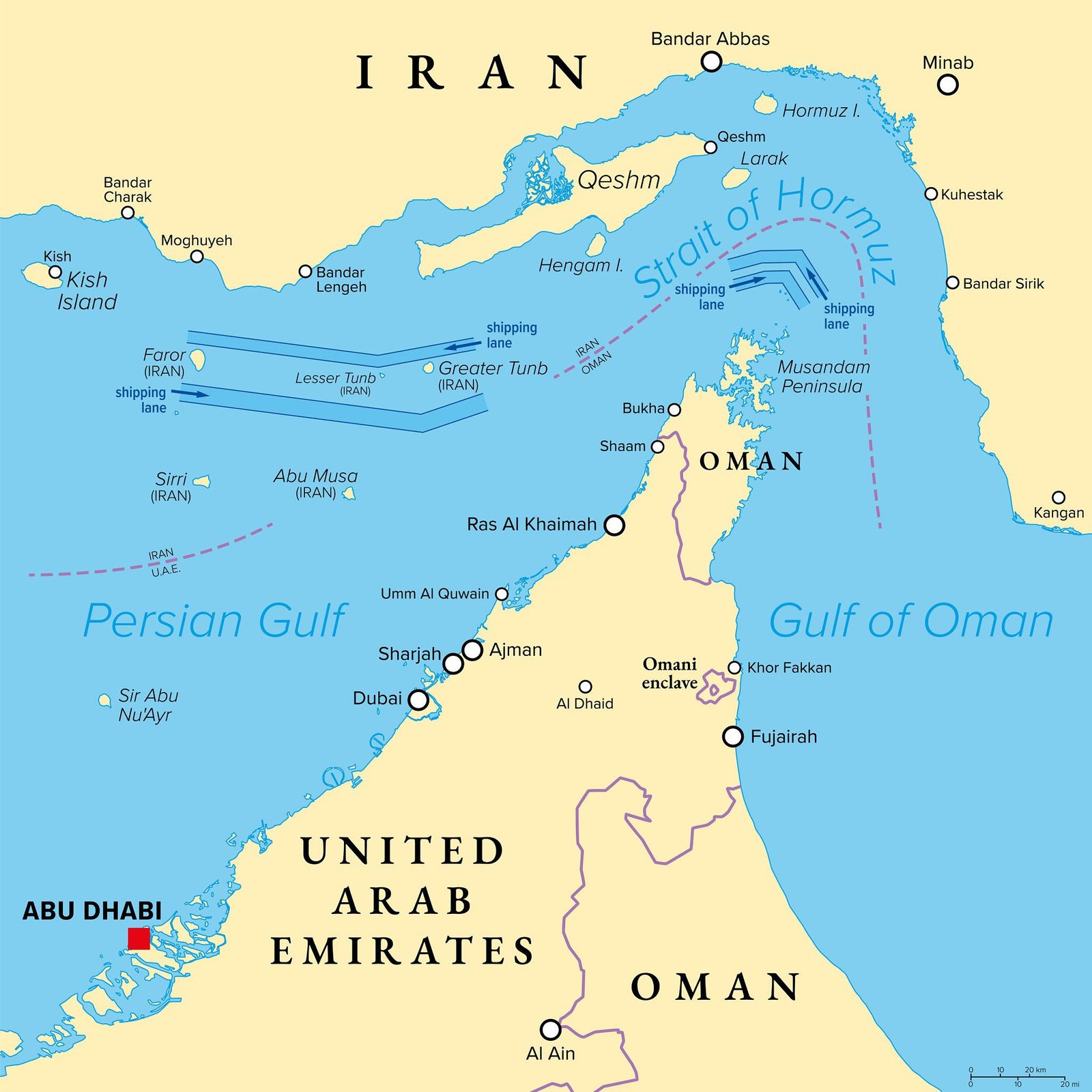
One of the most consequential sticking points is the Strait of Hormuz, a narrow waterway that carried roughly a fifth of the world’s oil supply before the conflict began. Iranian officials have tied any reopening of the strait directly to the lifting of the US naval blockade and sanctions, warning that the waterway will stay closed — and that Iran is prepared to respond further — unless Washington meets those conditions. On the American side, US Central Command has stated that its forces have cleared sea mines Iran had placed in the strait months earlier, and that international shipping lanes are technically open. Commercial shipping through the region, however, remains limited, reflecting continued uncertainty over whether a durable settlement is within reach.
Regional and International Mediation Efforts
Pakistan and Qatar have both been actively involved in efforts to mediate an end to the conflict. Qatar’s prime minister met with Iran’s foreign minister in Tehran this week specifically to discuss restoring maritime traffic through the strait. China has also renewed its call for a negotiated resolution, stating its opposition to unilateral sanctions while continuing to purchase Iranian oil through overland routes that don’t rely on the Strait of Hormuz.
Why This Matters Beyond the Region
The standoff carries consequences well beyond Iran and the United States. A prolonged closure of the Strait of Hormuz threatens global energy markets given the volume of oil that normally passes through it, while the broader sanctions campaign has drawn concern from humanitarian and international bodies over its effect on Iranian civilians. For neighboring countries like Pakistan, which has taken a cautious, balancing position amid the tightening US sanctions regime, the situation adds another layer of complexity to regional diplomacy and energy planning.
Frequently Asked Questions
Is Iran willing to negotiate with the United States?
Iran’s foreign minister has said diplomacy remains possible, but only if the US ends its economic pressure campaign and honors prior commitments. As of this week, Washington has stated that no active negotiations are currently taking place.
Why is the Strait of Hormuz important to this conflict?
The strait is one of the world’s most critical oil shipping routes, previously carrying about a fifth of global oil supply. Iran has linked its reopening to the lifting of the US naval blockade and sanctions.
Who is mediating between Iran and the United States?
Pakistan and Qatar have both taken active mediating roles, with Qatar’s prime minister recently meeting Iranian officials in Tehran. China has also called for renewed negotiations.
What triggered the current Iran-US conflict?
The conflict was launched by the United States and Israel against Iran in late February 2026. A ceasefire in April reduced the intensity of fighting, but a subsequent peace framework signed in June later collapsed amid mutual accusations of violations.
With both sides publicly open to talks in principle but sharply divided on the preconditions, the path back to the negotiating table remains uncertain — and international mediators, along with global oil markets, are watching closely for any sign of movement in the weeks ahead.
