


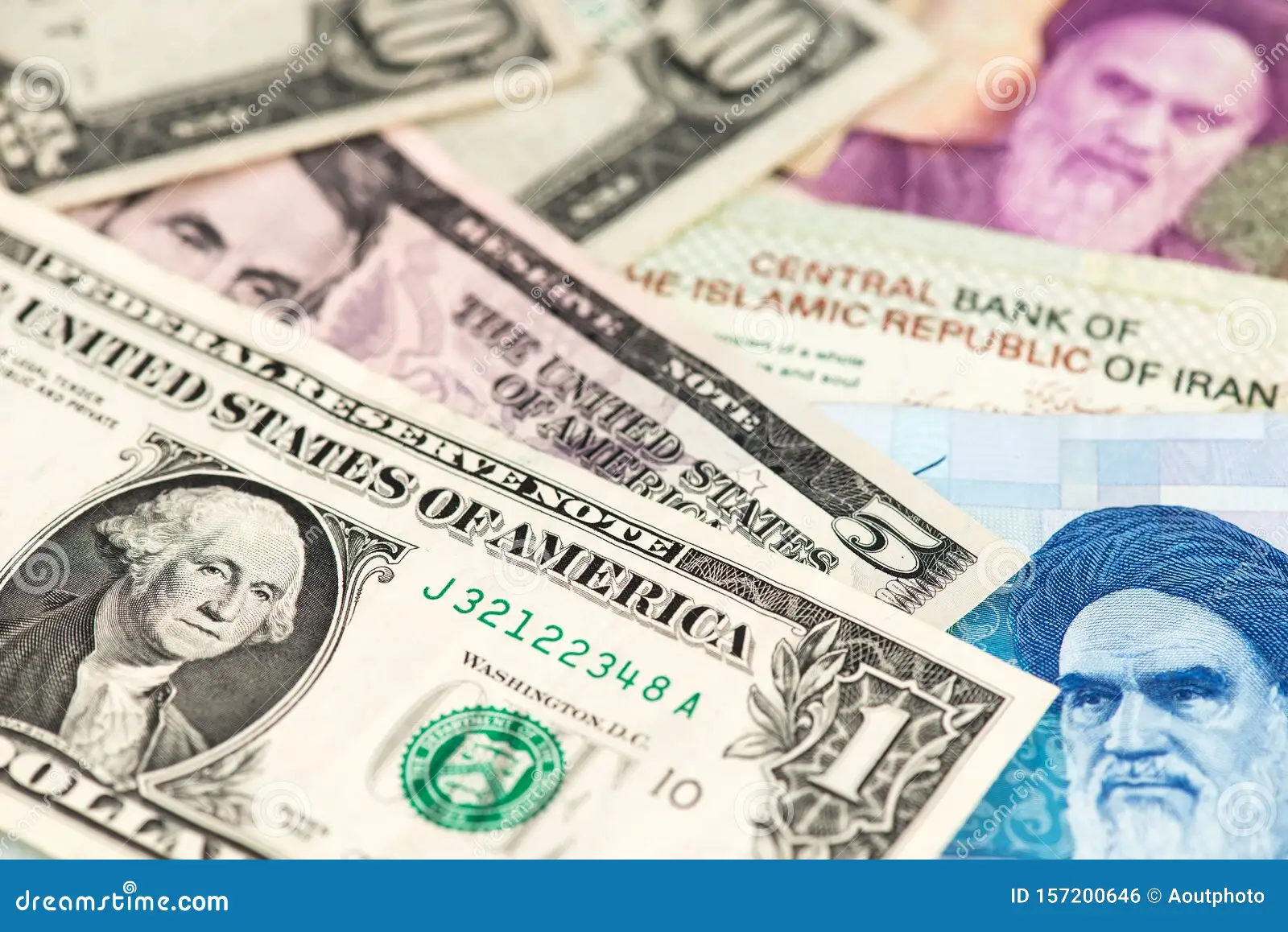
With its currency in freefall and inflation soaring, Iran’s central bank chief took the unusual step of directly addressing the White House this week. “I am telling the President of the United States: Iran has foreign currency, and it has enough,” Central Bank Governor Abdolnaser Hemmati declared, pushing back hard against US claims that sanctions are close to breaking the Iranian economy. Here’s what’s really going on with Iran foreign currency reserves, and why the numbers tell a more complicated story than either side’s rhetoric suggests.
What the Central Bank Governor Actually Said
Speaking on Tuesday, Hemmati insisted Iran has sufficient foreign currency reserves to withstand the current US sanctions pressure, despite mounting economic strain. He revealed that the central bank stands ready to inject up to $2 billion into the foreign exchange market specifically to calm recent currency volatility, and said the bank continues actively collecting foreign currency receivables alongside its domestic reserves and other undisclosed resources. His message was blunt: economic conditions have genuinely become difficult for ordinary Iranians, but he rejected any suggestion of imminent economic collapse, calling such claims “psychological warfare.”
The Numbers Behind the Reassurance
Hemmati’s confident statement arrives against a genuinely rough economic backdrop. Iran’s currency, the rial, plunged to a record low in August 2026, crossing the symbolically important threshold of 2 million rials to the US dollar. Annual inflation reached 66% in July — a level that erodes savings and purchasing power at a punishing pace for everyday households. Those aren’t small warning signs; they’re exactly the kind of pressure points a sanctions campaign is designed to create.
Why This Statement Came Now
Hemmati’s comments came directly in response to US Treasury Secretary Scott Bessent, who said Monday that Iran was taking American sanctions seriously and was “lashing out kinetically because they are losing economically.” Washington has leaned heavily on economic pressure as its primary lever against Tehran, with Bessent warning that any entities doing business with Iran could themselves face US sanctions — a tactic aimed at further isolating Iran’s economy from international trade and finance.
Adding to the picture, Iranian officials themselves — including President Masoud Pezeshkian — have separately acknowledged growing economic difficulties tied to US sanctions and an ongoing naval blockade. That creates an interesting contrast: Iran’s own leadership has admitted real strain, even as its central bank chief works to project confidence and stability to markets and the public.
Reading Between the Lines
Central bank governors rarely make public statements like this unless they’re genuinely worried about confidence — whether that’s public confidence in the currency, or international confidence in Iran’s ability to keep functioning economically. The $2 billion market intervention pledge is a concrete, actionable commitment, not just rhetoric, suggesting the central bank sees real currency instability that needs active management, not just reassuring words. At the same time, Hemmati’s refusal to disclose the details of Iran’s “other resources” leaves outside observers with no way to independently verify exactly how strong Iran’s financial position really is.
Part of a Larger Standoff
This economic messaging battle is unfolding alongside an active, ongoing military and diplomatic standoff between Iran and the United States, which escalated into direct conflict earlier this year and has continued through periods of ceasefire, stalled negotiations, and renewed strikes. Economic pressure and battlefield developments have become intertwined levers in the broader confrontation, with Washington explicitly stating its sanctions strategy aims to push Iran back toward the negotiating table.
Frequently Asked Questions
Does Iran actually have enough foreign currency reserves?
Iran’s central bank governor says yes, citing ongoing collection of foreign currency receivables, domestic reserves, and other undisclosed resources. However, the exact scale of these reserves has not been independently verified, and Iran’s currency has still fallen to record lows despite these assurances.
Why did the Iranian rial hit a record low?
The rial crossed 2 million to the US dollar in August 2026, reflecting mounting pressure from ongoing US sanctions, a naval blockade, and broader economic strain tied to the extended standoff between Iran and the United States.
What is the goal of US sanctions on Iran?
According to US Treasury Secretary Scott Bessent, the sanctions are designed to pressure Iran economically enough that it chooses to return to negotiations with the United States.
How high is inflation in Iran right now?
Annual inflation reached 66% in July 2026, according to Reuters reporting — a rate that significantly erodes the purchasing power and savings of ordinary Iranian households.
Whether Iran’s central bank can truly weather the current pressure or is simply managing public perception while reserves quietly dwindle remains genuinely unclear from the outside. What’s certain is that both the rhetoric and the underlying economic numbers will keep being closely watched as the broader Iran-US standoff continues to unfold.
