


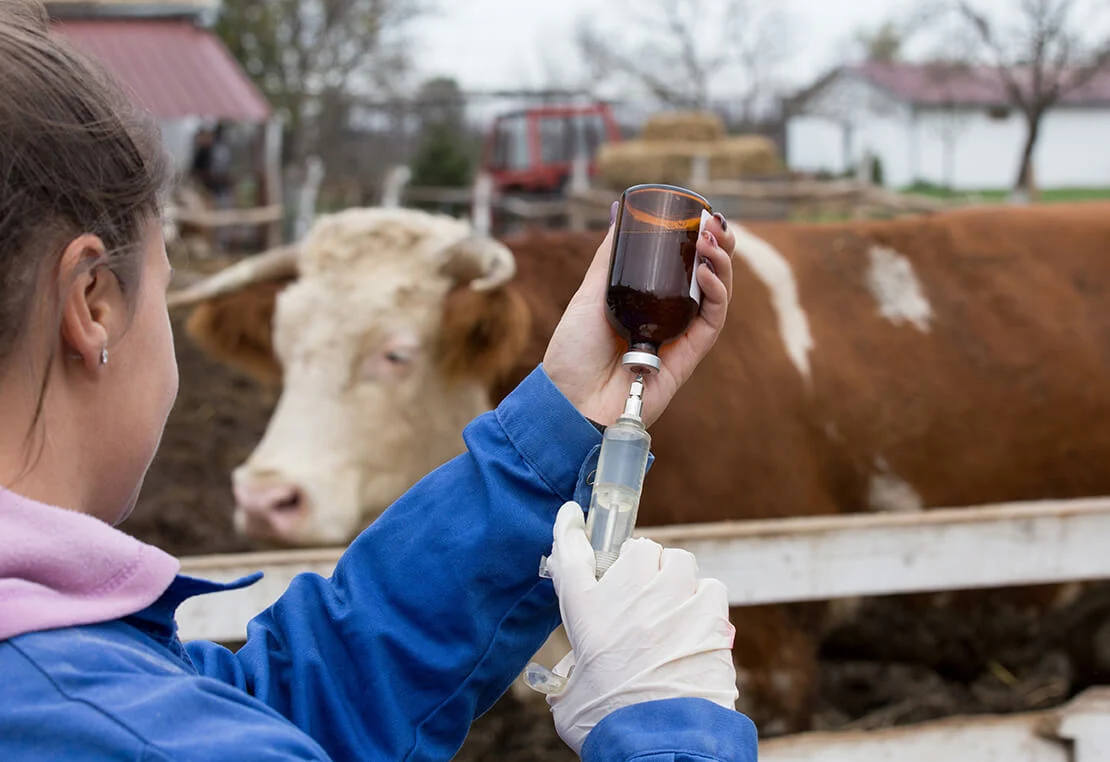
Pakistan’s livestock sector just got a significant boost from one of its closest allies. China has donated 300,000 doses of veterinary vaccines to Pakistan, targeting two diseases that have caused real economic damage to the country’s cattle and livestock industry in recent years. Here’s what the donation covers, and why it matters for Pakistani farmers.
What Was Donated, and Why
The vaccines, donated by China’s Ministry of Agriculture and Rural Affairs, specifically target Lumpy Skin Disease (LSD) and Brucella melitensis — two illnesses that have posed ongoing challenges for Pakistan’s cattle and small ruminant populations. Lumpy Skin Disease is a viral infection that causes painful skin lesions in cattle and can significantly reduce milk production and hide quality, while Brucella melitensis causes brucellosis, a bacterial disease that affects goats and sheep and can also pose health risks to farmworkers who handle infected animals. Both diseases carry real economic consequences for farmers, from reduced productivity to trade restrictions on affected livestock.
The Handover Ceremony
The vaccines were formally handed over at a ceremony held Wednesday, September 2, 2026, at the National Agricultural Research Centre (NARC) in Islamabad. Pakistan’s Federal Minister for National Food Security and Research, Rana Tanveer Hussain, attended alongside Shi Yuanqiang, Chargé d’Affaires of the Chinese Embassy, along with senior officials from Pakistan’s Ministry of National Food Security and Research, the Pakistan Agricultural Research Council, Chinese Embassy representatives, and livestock-sector scientists and experts.
What Pakistani Officials Said
Speaking at the ceremony, Hussain described the donation as another reflection of the deep friendship between Pakistan and China and their close cooperation in agriculture. He specifically framed livestock farming as an indispensable part of Pakistan’s agricultural system and tied the donation directly to the upgraded “Version 2.0” of the China-Pakistan Economic Corridor (CPEC), calling agriculture a cornerstone of Pakistan’s economic development. He added that China’s experience, models, and achievements in livestock development offer valuable lessons Pakistan can draw on as it strengthens its own sector.
Part of a Longer Agricultural Partnership
This donation isn’t an isolated gesture — it reflects agriculture’s status as one of the priority areas in the broader Pakistan-China relationship, according to Hussain’s remarks. Officials from both sides expressed hope that the vaccine donation would serve as a stepping stone toward deeper cooperation between the two countries specifically in veterinary services, disease prevention, biotechnology, and rural development going forward, rather than a one-time gift.
Why This Matters for Pakistan’s Livestock Sector
Livestock farming plays a substantial role in Pakistan’s rural economy, supporting millions of farming households across the country, many of whom depend heavily on cattle, goats, and sheep for both income and subsistence. Disease outbreaks like Lumpy Skin Disease and brucellosis can devastate small farming operations that lack easy access to veterinary care or vaccines, making donations like this one a meaningful, practical form of support — directly strengthening disease control capacity rather than offering more abstract or symbolic aid.
Frequently Asked Questions
How many vaccine doses did China donate to Pakistan?
China donated 300,000 doses of veterinary vaccines, targeting Lumpy Skin Disease and Brucella melitensis in livestock.
Where was the donation officially handed over?
The handover ceremony took place on September 2, 2026, at the National Agricultural Research Centre (NARC) in Islamabad.
What diseases do these vaccines protect against?
The vaccines target Lumpy Skin Disease, a viral infection affecting cattle, and Brucella melitensis, a bacterial disease affecting goats and sheep that can also pose risks to humans who handle infected animals.
How does this donation connect to CPEC?
Pakistani officials linked the donation to the upgraded “Version 2.0” phase of the China-Pakistan Economic Corridor, framing agriculture and livestock development as priority areas within the broader bilateral partnership.
For Pakistan’s livestock sector, this donation offers real, practical disease-prevention support at a time when farmers across the country continue to face economic pressure from both disease outbreaks and broader agricultural challenges — and both governments have signaled this is likely to be one step in a longer-term veterinary and agricultural partnership rather than a standalone gesture.
