


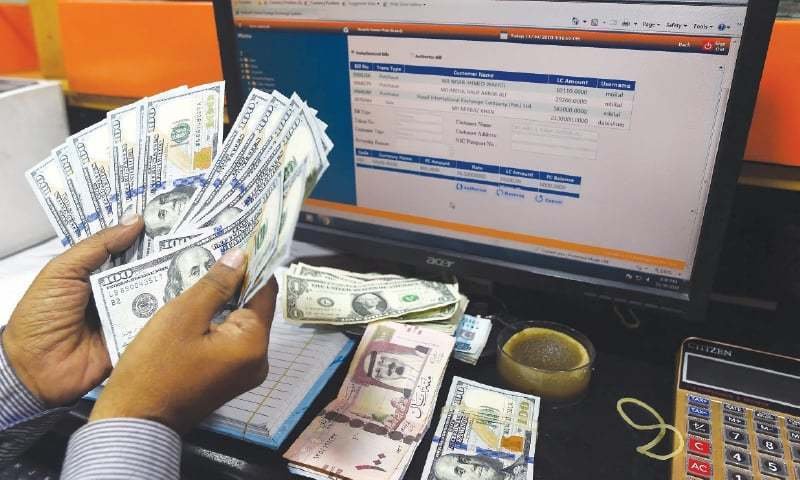
SBP reserves have edged up again. The foreign exchange reserves held by the State Bank of Pakistan rose by about $19 million to around $21.5 billion in the latest weekly update. The level is near the highest in the central bank’s history. This article explains the latest numbers, the weekly trend, and what the reserves mean for the economy.
Latest SBP Reserves Update
The State Bank of Pakistan (SBP) publishes its reserve data every Thursday. In the week ended 9 October 2026, SBP reserves stood at $21.47 billion after a rise of about $16 million. Commercial banks held net reserves of $5.39 billion. As a result, Pakistan’s total liquid foreign reserves reached $26.86 billion.
The newest increase of about $19 million pushes SBP reserves to roughly $21.5 billion. The SBP did not give a reason for the recent weekly gains.
SBP Reserves Trend in Recent Weeks
Reserves have grown slowly but steadily in the past month. The table below shows the recent weekly numbers.
| Week Ended | SBP Reserves | Weekly Change |
|---|---|---|
| 18 September 2026 | $21.400 billion | +$11 million |
| 25 September 2026 | $21.439 billion | +$39 million |
| 2 October 2026 | $21.454 billion | +$15 million |
| 9 October 2026 | $21.470 billion | +$16 million |
The week ended 18 September set a record. At that time, SBP reserves reached the highest level in the central bank’s history.
How Much Have Reserves Grown This Year?
The growth over the past year is large. In mid-October 2025, SBP reserves were about $14.46 billion. Today they are around $21.5 billion. Therefore, they are up by roughly $7 billion in a year.
The biggest gains came in recent months. SBP reserves were about $17.1 billion in late August 2026. Within a month, they crossed $21 billion. Reserves also jumped by about $1.2 billion in the week ended 4 September alone.
What Are SBP Reserves and Total Liquid Reserves?
Many readers confuse the two terms. They are different:
- SBP reserves: foreign currency held by the central bank itself.
- Commercial bank reserves: net foreign currency held by banks in Pakistan.
- Total liquid reserves: the sum of both.
The central bank’s own reserves matter most. They help it manage the rupee, pay for imports, and repay foreign debt.
Import Cover and Why It Matters
Import cover shows how many months of imports the reserves can pay for. As of 25 September 2026, reserves covered about 3.04 months of imports. Earlier in September, the cover was about 2.74 months.
A higher cover gives the country more safety against shocks. For example, it helps when oil prices rise or when foreign loans become harder to roll over. However, reserves alone do not guarantee stability. Inflation, debt, and exports also matter.
What Do Higher SBP Reserves Mean for You?
Stronger reserves can support a steadier rupee. In addition, they give the government more room to pay for imports such as fuel and food. On 8 October, the rupee settled at 277.01 against the US dollar.
Still, higher reserves do not cut prices overnight. Everyday costs depend on inflation, fuel prices, and taxes as well.
Frequently Asked Questions
How much are SBP reserves now?
They are around $21.5 billion in the latest weekly update.
When does the SBP release reserve data?
The SBP releases the data on Thursdays for the previous week.
What is the difference between SBP reserves and total liquid reserves?
SBP reserves are held by the central bank. Total liquid reserves also include net holdings of commercial banks.
Are SBP reserves at a record high?
They reached the highest level in the central bank’s history in September 2026. They have stayed near that level since then.
Conclusion
SBP reserves continue to rise in small weekly steps and now stand near $21.5 billion. This is a big improvement from a year ago. Even so, strong reserves are only one part of economic health. For more updates on Pakistan’s economy, keep following Pakistan Post. You can also check the weekly data on the State Bank of Pakistan website.
