


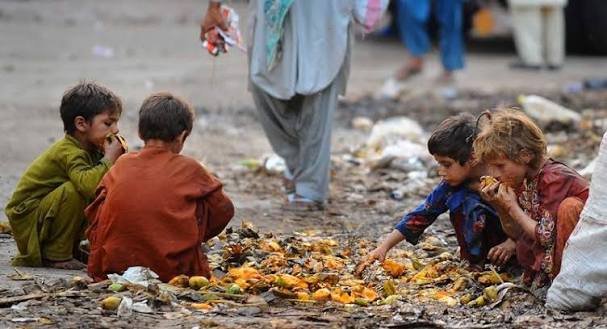
Poverty in Pakistan has risen to 28.9 percent in 2024-25, according to Planning Minister Ahsan Iqbal. He admitted that this reverses earlier progress and marks a serious setback. The World Bank has reached a similar conclusion, with its latest report putting the poverty rate at about 29 percent. This article explains the numbers, the causes, and what the government plans to do.
What Did the Planning Minister Say?
Minister Ahsan Iqbal said the latest official estimates show poverty rising to 28.9 percent in 2024-25. He said poverty reduction suffered a serious setback after 2018. He blamed political instability, inconsistent development policies, economic crises, the COVID-19 pandemic, and devastating floods.
He also warned of a deeper risk. According to the minister, the greatest danger is that Pakistan may settle into a structurally low rate of economic growth.
Poverty in Pakistan: How the Rate Has Changed
Pakistan reduced poverty strongly for many years. Then the trend turned around. The table shows how the national rate has moved.
| Year | Poverty Rate |
|---|---|
| 2013-14 | 29.5% |
| 2015-16 | 24.3% |
| 2018-19 | 21.9% |
| 2023-24 | 25.3% (World Bank estimate) |
| 2024-25 | 28.9% |
In short, poverty is now close to where it stood more than a decade ago. The World Bank says it rose from 22 percent in 2018-19 to 29 percent in 2024-25. That is an increase of seven percentage points in six years.
World Bank Findings on Poverty and Jobs
The World Bank’s Pakistan Development Update 2026 links the rise in poverty to weak growth, high inflation, and a shortage of good jobs. Its main findings include:
- Pakistan created about 17.7 million jobs since 2018, but many are in low-productivity sectors with low pay.
- About 3.6 million people reach working age every year.
- One in six people who entered the labor market since 2018 has stayed jobless.
- Unemployment stood at 7 percent in 2024, with women and young people hit hardest.
Another World Bank report says nearly half of the poorest people in the Middle East, North Africa, Afghanistan, and Pakistan region live in Pakistan. These people earn less than $3 a day, which is about Rs840.
Why Is Poverty Rising?
Several shocks hit households at once. The main causes are:
- Slow growth: The economy grew only 2 percent in the April-June quarter. That is below the 2.6 percent population growth rate, so income per person did not improve.
- High inflation: Rising prices cut the real value of household incomes.
- The 2022 floods: The World Bank estimates they pushed an extra 13 million people into poverty.
- Weak productivity: Most new jobs pay little, so earnings stay low.
What Does the Government Plan to Do?
The government is considering a new way to measure poverty. The updated approach will draw on the Pakistan Social and Living Standards Measurement Survey 2026-27. It will also look at issues that the old method misses, such as:
- Climate vulnerability.
- Insecurity.
- Youth deprivation and gender inequality.
- Digital exclusion.
- Early childhood development, nutrition, and stunting.
- Migration.
In addition, the Ministry of Planning has discussed revising the Multidimensional Poverty Index with Oxford University’s OPHI. The Pakistan Bureau of Statistics has also prepared a constituency-wise poverty analysis. However, officials have not decided whether to publish it, because of its political impact. It may be released next year.
What Does This Mean for Ordinary Families?
About 70 million Pakistanis now live in poverty, according to the World Bank. For many families, this means high food and energy bills, few stable jobs, and little room for savings. Experts say that faster growth and better jobs are the only lasting way out. Until then, support programs and targeted subsidies remain important.
Frequently Asked Questions
What is the poverty rate in Pakistan?
The official estimate for 2024-25 is 28.9 percent. The World Bank gives about 29 percent.
How many Pakistanis live in poverty?
The World Bank estimates about 70 million people.
Why did poverty increase?
Slow growth, high inflation, the 2022 floods, the pandemic, and weak job quality all played a part.
What was the poverty rate in 2018-19?
It was 21.9 percent.
Will the government change how it measures poverty?
It is considering a new method that includes climate, nutrition, digital access, and other factors.
Conclusion
Poverty in Pakistan has climbed back to 28.9 percent, erasing years of progress. Slow growth, weak jobs, and repeated shocks are the main reasons. A new measurement method and stronger growth will be key to reversing the trend. For more updates on Pakistan’s economy, keep following Pakistan Post. You can also read more on the World Bank’s Pakistan page.
