


China has set a global first in brain-computer interface (BCI) regulation, issuing what its drug regulator calls the world’s first official product standard specifically for AI-powered devices that read and interpret brainwave data — a move that puts China ahead of the US and international bodies on a technical question nobody else has formally answered yet.
What the New Standard Actually Covers
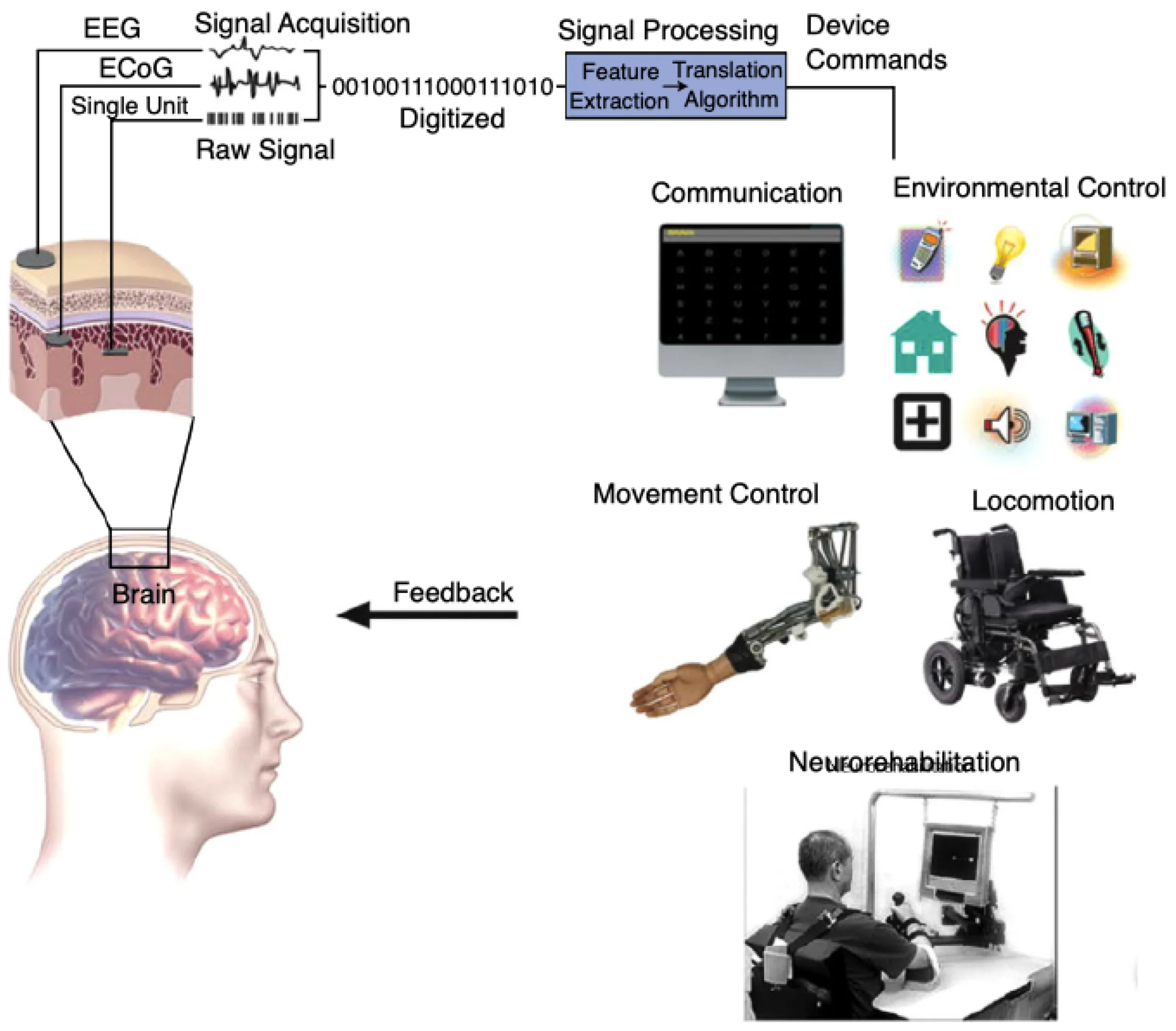
China’s National Medical Products Administration (NMPA) approved and issued the standard on Monday, targeting BCI medical devices that use AI to process electroencephalogram (EEG) data — brainwave signals captured either through scalp electrodes or implanted sensors. The standard will officially take effect on September 1, 2027, and systematically defines technical requirements and testing methods across the full lifecycle of BCI medical device data: acquisition, processing, annotation, storage, and access.
The core problem it’s designed to solve is data quality. According to the NMPA, BCI medical devices function like intelligent machines that “read” brain signals — but the AI algorithms powering them need to be trained on large volumes of brainwave data to accurately interpret a patient’s intentions. Without a consistent standard, companies have faced inconsistent dataset quality control criteria and non-standardized dataset construction processes, both of which directly affect how reliably these devices actually work for patients. The new standard aims to give the industry a single, unified benchmark for brainwave datasets rather than each company working from its own internal criteria.
How This Fits China’s Broader BCI Push
| Milestone | Date |
|---|---|
| NMPA approves NEO, the world’s first invasive BCI for commercial use (Neuracle Technology, Shanghai) | March 2026 |
| China moves multiple AI-powered BCIs from clinical trials toward real-world deployment | Throughout 2026 |
| NMPA issues world’s first AI-powered BCI product standard | September 14, 2026 |
| New standard officially takes effect | September 1, 2027 |
This standard doesn’t emerge from nowhere — it follows China’s earlier world-first approval of NEO, a coin-sized epidural BCI developed by Shanghai-based Neuracle Technology in partnership with Tsinghua University, for patients with paralysis from spinal cord injuries. NEO uses electrodes attached to the dura mater (the outer layer of tissue surrounding the brain) to detect signals that a computer then decodes to control a robotic glove, and became the first BCI in the world approved for use beyond clinical trials. With that product-level milestone already achieved, this new standard represents China building out the regulatory infrastructure needed to support a broader industry, not just a single flagship device.
Where the US and International Bodies Currently Stand
According to comparative analysis, neither US nor international regulators currently have an equivalent standard specifically for AI training data in BCI devices. The FDA’s implanted BCI device guidance, finalized in May 2021, covers non-clinical testing and clinical considerations for paralysis and amputation applications, and a separate FDA draft guidance published in January 2025 addresses AI-enabled medical device software more broadly — covering lifecycle management, training data practices, and performance evaluation across AI medical devices in general. Neither document, however, establishes specific quality requirements for the EEG training datasets used to train AI models in BCI devices specifically.
At the international level, the closest existing benchmark is ISO/IEC TS 27571:2026, which specifies a standardized data format for non-invasive BCI technologies including EEG — covering data structure, metadata, and naming conventions. But that standard addresses data format, not the training-data quality and AI-specific requirements that China’s new standard focuses on.
Why This Distinction Matters
The difference between a device standard and a data standard is significant in practice. Approving a specific implant, like NEO, tells you one product works. A data and AI-training standard, by contrast, gives an entire industry a consistent technical benchmark to build against — meaning any company developing a new AI-powered BCI in China now has a clear, government-endorsed reference point for how brainwave data should be collected, labeled, and used to train its algorithms, rather than each company inventing its own approach and hoping it holds up to regulatory scrutiny later.
China’s Strategic Stake in BCI Technology
China has been explicit about wanting brain-computer interfaces to become a future strategic industry for the country, with strong government support expected to accelerate that goal. That ambition places Chinese companies like Neuracle Technology in increasingly direct competition with US rivals such as Elon Musk-backed Neuralink, which has made its own high-profile progress — including its first human implant recipient in early 2025 — but has not yet achieved the kind of full commercial approval NEO received in China.
Final Thoughts
By becoming the first country to issue a dedicated AI training-data standard for brain-computer interfaces, China has moved a step ahead of both the US and international regulators on a specific but increasingly important regulatory question — one that will only grow more relevant as more AI-powered BCI devices move from clinical trials toward real-world deployment. With the standard not taking effect until September 2027, there’s a full year for companies to align their practices, but the message to the rest of the world’s BCI industry is already clear: China intends to set the technical rules for this technology, not just build the products.
