


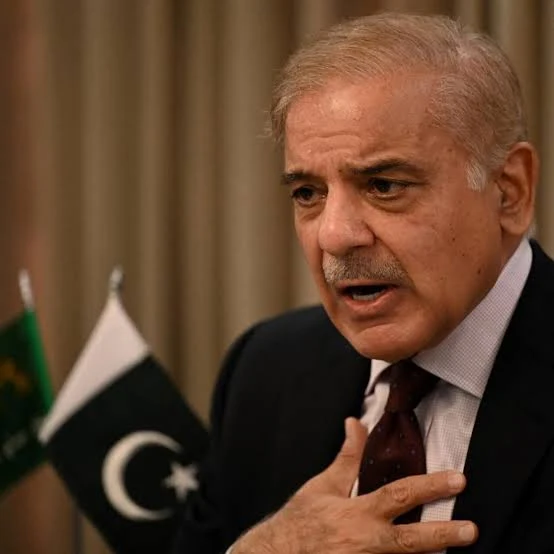
Pakistan’s central bank reserves have hit an all-time high of $21.4 billion, and the achievement has come with a target beaten nearly nine months ahead of schedule. Prime Minister Shehbaz Sharif called it “another milestone towards economic stability,” thanking Allah and crediting the government’s economic team for the jump.
The Numbers Behind the Record
| Metric | Figure |
|---|---|
| SBP reserves (week ended Sept 11) | $21.399 billion (record) |
| Weekly increase | +$3.061 billion — largest since June 2025 |
| Commercial bank reserves | $5.402 billion |
| Total liquid foreign exchange reserves | $26.791 billion — highest since Sept 2021 |
| Import cover | 3.03 months — first time above 3 months since Aug 2020 |
What Actually Drove the Jump
The State Bank of Pakistan attributed the sharp weekly rise directly to the receipt of proceeds from Pakistan’s recent Eurobond issuance — roughly $3.06 billion of the week’s increase came from that single source, combined with continued foreign exchange purchases by the central bank through the interbank market. This wasn’t an isolated jump either: SBP reserves had already climbed by $1.21 billion the week before, driven by the receipt of Government of Pakistan commercial loan proceeds — meaning reserves have now posted two consecutive weeks of unusually large gains from separate financing sources.
Beating the Target Early
What makes this milestone particularly notable is the timing. The $21.4 billion level surpasses the SBP’s own $21 billion reserves target that wasn’t due until June 2027 — reached nearly nine months ahead of schedule. It also clears the central bank’s more immediate December 2026 target of $20.2 billion a full quarter early, and pushes past the previous historical peak of $20.1 billion recorded in August 2021.
What the Prime Minister Said
In a statement from the PM’s Office, Shehbaz Sharif credited the improvement to a combination of factors: significant improvement in remittances and services exports, a better current account position, and fiscal discipline. He specifically framed Pakistan’s successful re-entry into international capital markets — the Eurobond issuance itself — as a reflection of restored global confidence in the country’s economy. The prime minister said the stronger reserves position would strengthen Pakistan’s capacity to meet external payment obligations and improve its ability to withstand global economic challenges, while also opening the door to greater foreign investment and confidence going forward. He specifically commended Finance Minister Muhammad Aurangzeb, the SBP governor, the government’s economic team, and overseas Pakistanis for their contribution to the milestone.
How This Connects to the Bigger Economic Picture
This reserves milestone doesn’t exist in isolation — it lines up with several other recent positive economic data points. Pakistan’s current account deficit narrowed sharply to just $98 million in August, helped significantly by a 17% year-on-year jump in workers’ remittances. The PSX has also shown renewed strength, with the KSE-100 rebounding over 1,900 points in a single session partly on the back of this same reserves news. Together, these threads point to a period of genuine, if still fragile, improvement in Pakistan’s external financial position.
The Caveats Worth Keeping in Mind
Higher reserves generally provide greater capacity to absorb external payment pressures, but their sustainability depends on more than a single strong week — future inflows, import levels, debt repayment schedules, and the ongoing current account position all factor in. It’s also worth being precise about the source of this particular jump: this increase was driven primarily by Eurobond proceeds — essentially, borrowed money — rather than solely by organic foreign exchange generated through exports and remittances. That distinction matters for assessing how durable the improvement is likely to be once this specific inflow is absorbed into the base reserves figure.
There are also real external risks still in play. Oil prices remain elevated amid the ongoing Gulf conflict, and Pakistan’s import bill has been widening even as this reserves and current-account news paints an improving picture — a tension worth watching as the government continues to tout these figures as evidence of broader economic stability.
Final Thoughts
Crossing $21.4 billion in central bank reserves — and doing so nine months ahead of the SBP’s own target — is a genuine, measurable milestone for Pakistan’s external finances, and one the government has clearly been eager to highlight alongside other recent positive indicators like narrowing current account deficits and a rebounding stock market. Whether this marks a durable shift or a temporary boost from one large bond issuance will likely become clearer over the coming months, as the country’s import bill, debt servicing needs, and the broader regional economic backdrop continue to play out.
