


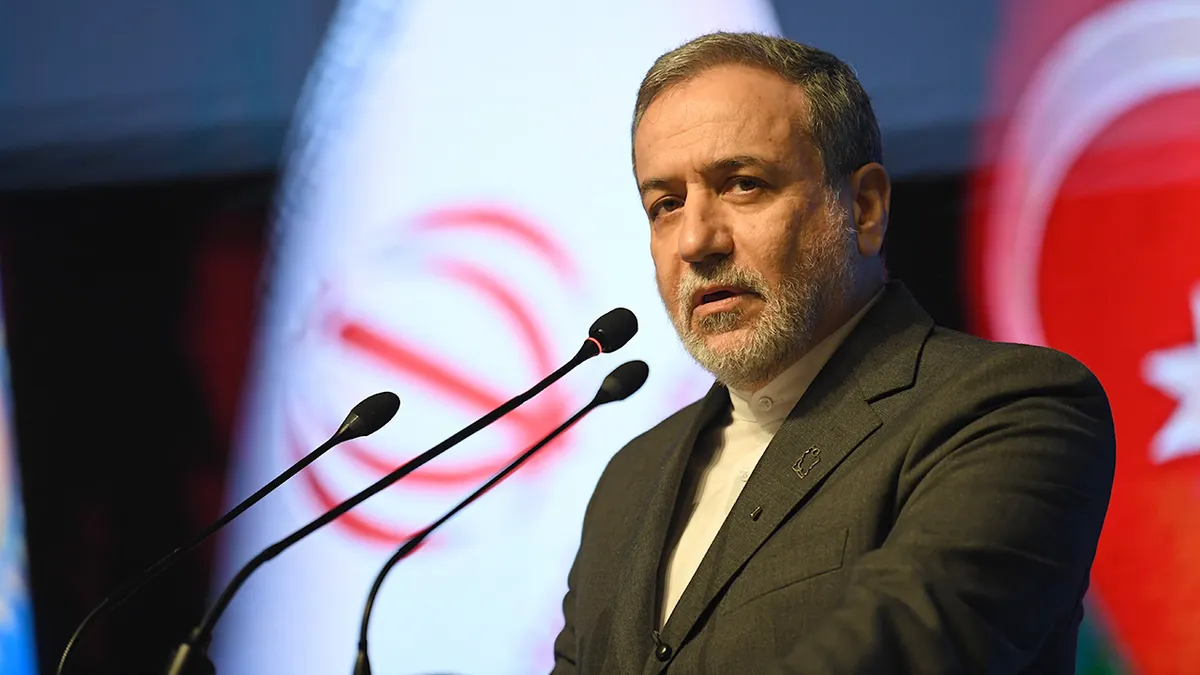
Iran has given a new signal that it may be ready to talk with the United States again. This happened during a meeting in Tehran between Iran’s leaders and Pakistan’s Interior Minister, Mohsin Naqvi, who has been working to help restart the stalled peace process. Here is what happened in the Iran US talks update, explained simply.
What Happened in Tehran
On Monday, September 21, Mohsin Naqvi arrived in Tehran, Iran’s capital city. He first met his Iranian counterpart, Interior Minister Eskandar Momeni. Later, he also met Iranian President Masoud Pezeshkian. A source told Dawn that real progress was made during these meetings. Naqvi himself told reporters, “We had discussions on the mediation process.”
During the meeting, Iran’s Interior Minister said Iran was thankful to Pakistan for its efforts to bring peace to the region. He specifically thanked Prime Minister Shehbaz Sharif and Field Marshal Asim Munir by name for their work.
Why Pakistan Is Involved
Pakistan has been playing an important role as a mediator — meaning a country that helps two other sides talk to each other — between Iran and the United States. This trip was actually Naqvi’s sixth visit to Tehran since the war between the US, Israel, and Iran began in February 2026. Qatar has also been helping in this same effort. Qatar’s foreign ministry said its team has been talking to both sides for almost two weeks now, trying to find the right moment to restart real negotiations.
What Iran Is Asking For
Iran has already sent a list of conditions to the US, through Qatar, that it wants met before returning to formal talks. These include:
- An end to all fighting
- The release of Iran’s frozen money and assets
- An end to the US Navy’s blockade of Iranian ports
Iranian officials say there were actually seven conditions in total, though not all of them have been made public.
How We Got Here
This new diplomatic push comes after an earlier peace agreement, called the Islamabad Memorandum of Understanding, collapsed back in June. Pakistan had helped put that agreement together. Since then, fighting has continued on and off, and the US has kept a naval blockade around Iranian ports, while Iran has kept control over ship traffic through the important Strait of Hormuz waterway.
A Small Sign of Progress: LNG Ships
One small but meaningful sign of easing tension involves gas shipments. Pakistan managed to safely get a Qatari gas ship, carrying LNG (liquefied natural gas), through the Strait of Hormuz over the weekend, after talking directly with Iran. This is the second such Qatari gas shipment to safely reach Pakistan this month, which suggests some level of practical cooperation is happening, even while the bigger political conflict continues.
The US Side: Visa Problems and New Sanctions
Not everything is moving smoothly, though. The United States refused to give visas to some people traveling with President Pezeshkian for his trip to the United Nations in New York. Iran’s Foreign Ministry spokesperson criticized this move strongly, saying it was an attempt to “hide the truth” rather than a normal visa decision.
At the same time, the US is applying more economic pressure. US Treasury Secretary Scott Bessent said that starting September 23, Iranian airlines would have serious trouble operating anywhere in the world. He said airports would not be allowed to give Iranian planes fuel, landing help, or even sell tickets for them — or risk being cut off from the US dollar financial system themselves. Because of this pressure, Iraq is expected to stop Iranian airline flights, Georgia has already banned Iranian planes from its territory, and Iran’s own airline Mahan has paused its flights to Turkey.
What Happens Next
President Pezeshkian is expected to travel to New York soon for the United Nations General Assembly. He may also meet Pakistan’s Prime Minister Shehbaz Sharif there, which could offer another chance to discuss the stalled peace process. Meanwhile, US President Donald Trump has given mixed signals about whether new talks will actually happen soon, and Iranian officials continue to say they’re open to diplomacy — while also warning they will respond strongly to any new US military action.
Frequently Asked Questions
Has Iran agreed to restart talks with the US?
Not fully confirmed yet, but Iran showed new signs of flexibility during meetings with Pakistan’s Interior Minister in Tehran, suggesting real progress may be happening behind the scenes.
What role is Pakistan playing?
Pakistan, along with Qatar, has been acting as a mediator, helping pass messages and find common ground between Iran and the United States since their earlier peace agreement collapsed in June.
What does Iran want before returning to talks?
Iran has asked for an end to all fighting, the release of its frozen assets, and an end to the US naval blockade of its ports, among a total of seven conditions.
Why are Iranian airlines facing new problems?
The US Treasury has announced new sanctions that will make it very difficult for Iranian airlines to get fuel, landing services, or sell tickets internationally, starting September 23.
With both sides showing small signs of movement, but real disagreements still unresolved, the coming days — especially around the United Nations meetings in New York — could be an important moment for whether this stalled peace process finally moves forward.
