


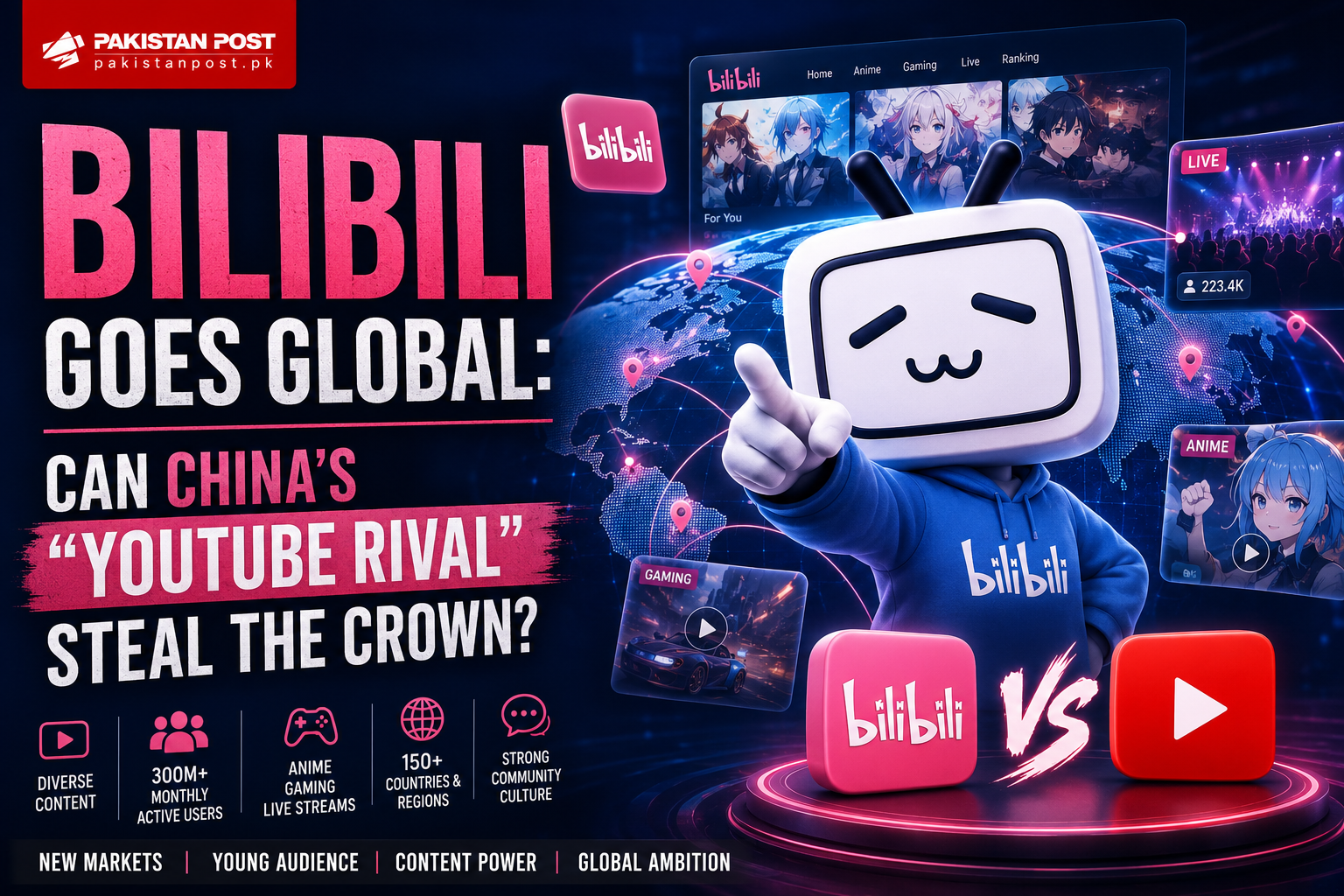
China’s biggest video platform just made its boldest move yet. Bilibili, long described as “China’s YouTube,” has relaunched its international app, dropped identity verification for overseas users, and confirmed it is building a fully English-language site to court Western creators. The Bilibili global expansion is now official — and it raises an obvious question: can it actually take on YouTube’s 2.7 billion monthly users? Here’s everything confirmed so far, plus a full side-by-side comparison.
What Exactly Did Bilibili Announce?
In mid-August 2026, Bilibili quietly relaunched its previously discontinued international app on Android, with an iOS version confirmed as “coming soon.” A newly created Bilibili Creator Hub account on X confirmed the strategy directly, stating plainly that the company is “going global” and promising globally distributed content with easy sign-ups and no identity verification required.
Behind the scenes, Bilibili has reportedly been hiring in key overseas markets including the United States, Japan, and Europe, and is developing an English-language version of its website to make it easier for international creators to register, upload, and engage with audiences. The company has also been courting major Western creators, most notably MrBeast, to post content directly on its main platform.
Why Now? The Numbers Behind the Push
Bilibili is not a small player attempting a Hail Mary. As of Q1 2026, the platform reported more than 376 million monthly active users and 115.2 million daily active users, with average daily time spent reaching 119 minutes per user — a genuinely sticky number by industry standards. The company also posted its first full year of GAAP profitability in its most recent fiscal results, giving it the financial footing to fund an international push.
Still, the vast majority of that user base remains inside China. The global expansion is, for now, primarily an audience and creator-recruitment play rather than a proven monetization engine — Bilibili’s brand marketplace for international creators is still in development, not yet live.
Bilibili vs YouTube: Full Comparison
Here’s how the two platforms currently stack up on the metrics that matter most to viewers and creators:
| Feature | Bilibili | YouTube |
|---|---|---|
| Monthly Active Users | 376 million (mostly China-based) | ~2.7 billion (global) |
| Daily Active Users | 115.2 million | ~122 million |
| 2025 Revenue | ~RMB 33 billion (advertising + other, first profitable year) | ~$60 billion (ads + subscriptions) |
| Signature Feature | “Danmu” bullet comments scrolling live over video | Shorts, live chat, community posts |
| Core Content Niche | Anime, gaming, education, youth culture | All genres; dominant in nearly every category |
| Creator Monetization | In development for international creators | Mature Partner Program, paid out $20B+ to creators in 2026 |
| Global Availability | Newly relaunched, Android live, iOS pending | Available in 80+ countries for years |
Bilibili’s Biggest Advantage: Community Culture, Not Technology
What sets Bilibili apart isn’t a technical edge — it’s more than a decade of building a tightly-knit creator community around anime, gaming, and educational content, tied together by its signature “danmu” bullet comments that scroll across the screen in real time as viewers watch. That culture is genuinely different from YouTube’s, and whether it survives the jump to Western audiences is the real question the entire expansion rests on.
The TikTok Comparison Nobody Can Avoid
A Chinese platform expanding aggressively into Western markets in 2026 inevitably invites comparisons to TikTok’s years-long battle over data security and moderation in the United States. Reporting on Bilibili’s move has raised similar questions, though it’s worth noting Bilibili has not faced the same regulatory scrutiny or congressional hearings TikTok did. What is confirmed is that Bilibili is building AI-based content moderation specifically for its international operations, and that content will be shared between its Chinese and international platforms.
What This Means for Creators and Viewers
- For creators: Bilibili currently offers audience access to a large, highly engaged niche community, but a live monetization system for international creators isn’t ready yet — treat it as a distribution experiment for now, not an income stream.
- For viewers: The relaunched app gives easy access to Bilibili’s anime, gaming, and educational content without the identity verification previously required, making it simple to try.
- For the industry: Even a modest dent in YouTube’s dominance would mark one of the most significant shifts in global video platform competition in years, alongside existing pressure from TikTok, Instagram Reels, and Twitch.
Frequently Asked Questions
Is Bilibili available outside China right now?
Yes. As of August 2026, Bilibili’s relaunched international app is live on Android, with full video content available globally and no identity verification required. An iOS version has been announced but was not yet available at the time of the relaunch.
Can Bilibili really compete with YouTube?
Not yet at scale. YouTube’s roughly 2.7 billion monthly users dwarf Bilibili’s 376 million, and Bilibili’s monetization tools for international creators are still in development. The expansion is real and serious, but it remains an early-stage push rather than a finished competitor.
What is Bilibili best known for?
Bilibili built its reputation on anime, gaming, and youth-culture content, along with its distinctive “danmu” bullet-comment feature that lets viewer comments scroll across the video in real time.
Bilibili’s global expansion is one of the biggest moves in online video this year, but it’s still early days. Whether its anime-and-gaming-rooted culture can win over Western audiences — and whether creators will bet real income on an unfinished monetization system — will determine if this becomes a genuine YouTube rival or another ambitious platform push that stays mostly regional.
