


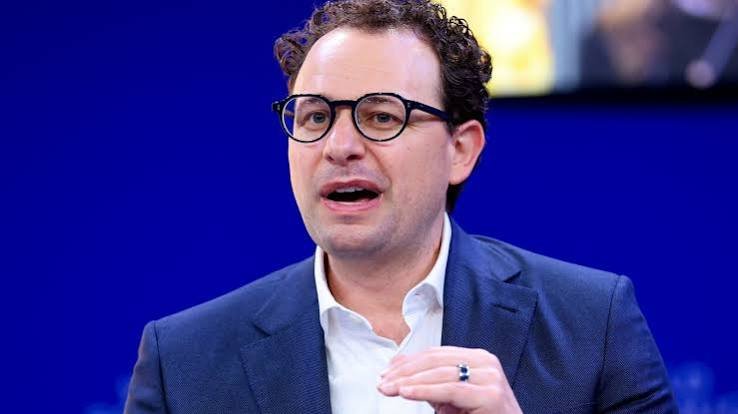
China’s state-backed Global Times has accused Anthropic CEO Dario Amodei of running a “Cold War playbook” against China, after Amodei published an essay calling for a more deliberate pace of frontier AI development — the latest flashpoint in an increasingly tense US-China dispute over artificial intelligence policy.
What Amodei Actually Proposed
In an essay published Saturday, Amodei outlined a framework for pacing the development of the most advanced AI models, arguing the industry needs more time to manage mounting safety risks rather than racing forward unchecked. The proposal was publicly endorsed by OpenAI CEO Sam Altman and SpaceX founder Elon Musk. Alongside the slowdown proposal, Amodei also called on the US to strengthen chip export controls targeting China and to crack down on alleged “model distillation” by Chinese AI labs — a technique where one AI model is trained using outputs from a more advanced one, which several major US AI companies have separately accused Chinese firms of using to extract capabilities from their systems.
Speaking to CBS News on Sunday, Amodei acknowledged what he called the “toughest dilemma” facing his proposal: what happens if China and other geopolitical rivals simply choose not to adopt similar restrictions themselves.
China’s Response
The Global Times editorial rejected Amodei’s safety framing outright, describing it as a deliberate strategy rather than a genuine safety proposal. According to the paper, the essay’s real goal was to curb China’s AI development through technological barriers and regulatory monopolies, while preserving Washington’s dominant position in cutting-edge technology and excluding China from global AI governance discussions. The editorial went further, calling the broader dynamic a “silent AI Cold War” that it described as both hypocritical and short-sighted, warning that excluding China from global AI development would actually increase the risks of error and loss of control across the field as a whole — the opposite outcome, the paper argued, of what a genuine safety-focused approach should produce.
Washington’s Reaction: A Different Kind of Pushback
Notably, the sharpest domestic pushback to the slowdown proposal hasn’t come from Beijing alone — US President Donald Trump also rejected calls to slow AI development, dismissing the concerns as coming from what he called “very negative forces” exaggerating the risks. Trump framed the issue in explicitly competitive terms, saying the US currently leads China in AI and stating plainly that “whoever wins AI wins” — positioning continued rapid development as a strategic necessity rather than a risk to manage.
Why This Debate Is Heating Up Now
The broader safety debate has intensified following warnings from two Anthropic researchers that rapidly advancing AI could pose an existential risk to humanity within the coming years — one researcher publicly estimated roughly a 10% chance of AI causing human extinction within the next decade, arguing that major AI labs, including Anthropic and OpenAI, are racing toward self-improving superintelligent systems without adequate safeguards. Those warnings have prompted US lawmakers to call for new regulatory frameworks governing AI systems, adding domestic political weight to a debate that’s now also taken on a distinctly geopolitical dimension.
Part of a Broader Pattern
This isn’t an isolated dispute — it follows Anthropic’s own decision earlier this year to block access to its AI services for companies majority-owned by Chinese entities, regardless of where those companies actually operate, citing concerns about the technology being used for military or intelligence purposes. It also follows a separate, related dispute from earlier this month, in which a US government cyber advisory accused several Chinese AI firms of systematically extracting capabilities from leading US models — including Anthropic’s Claude — through large-scale distillation, allegations Chinese officials have firmly rejected as normal industry practice mischaracterized as theft.
What Happens Next
This dispute is unfolding just ahead of significant diplomatic engagement between the two countries. The US and China are reportedly planning to discuss frontier AI safety risks in mid-September, and the topic could also come up during a planned summit between Presidents Trump and Xi Jinping on September 24 — meaning this week’s exchange of accusations may be a preview of a much higher-stakes conversation still to come.
A Note on Transparency
Since this dispute directly involves Anthropic — the company behind the AI system used to write this article — we’ve aimed to report it the same way we would cover any other company or dispute: presenting Amodei’s stated reasoning, China’s response, and the wider US political reaction as accurately and evenhandedly as possible, without favoring either side of the underlying disagreement.
Final Thoughts
What Amodei framed as a safety-focused call for a more measured pace of AI development has instead become a flashpoint in the broader US-China technology rivalry, drawing pushback from both Beijing and, in a different form, from the White House itself. With formal US-China talks on AI safety expected soon and a presidential summit already on the calendar for later this month, this week’s editorial exchange looks more like an opening move than a resolved dispute.
