


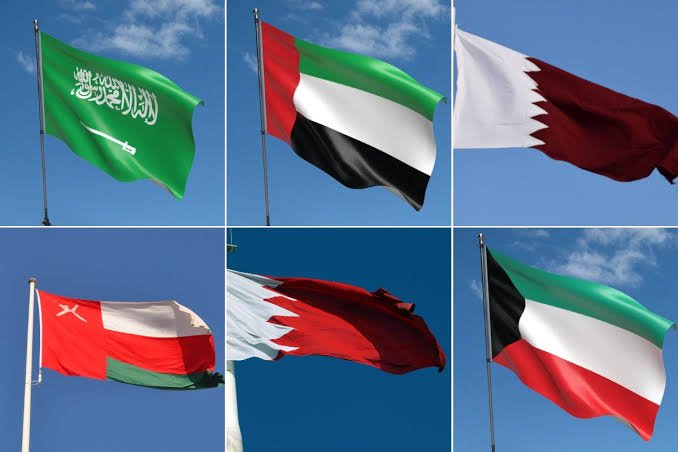
Pakistan has updated its list of visa exemption agreements with dozens of countries — but before ordinary travelers get too excited, there’s an important catch: this update applies to diplomatic and official passport holders, not the general public travelling on regular green passports.
Which Countries Are Covered
According to the updated list, Pakistan’s diplomatic and official passport holders can now travel visa-free to a wide range of destinations, including:
| Countries With Updated Visa Exemption Arrangements | ||
|---|---|---|
| Argentina | Azerbaijan | Bahrain |
| Bangladesh | Türkiye | Egypt |
| Indonesia | Iran | Kuwait |
| Malaysia | Russia | Saudi Arabia |
| UAE | Thailand | Qatar |
| Nepal | And several others | |
The Federal Investigation Agency (FIA) and relevant immigration zones have been formally directed to act according to this updated list, meaning border and immigration staff should now be applying these exemptions consistently for eligible passport holders.
The Key Detail: Who This Actually Applies To
This is the part that matters most for most readers: these visa exemption arrangements are specifically for diplomatic and official passport holders — government officials, diplomats, and those travelling on official government business. If you hold an ordinary (green) Pakistani passport, this update does not change your visa requirements for these countries. Regular passport holders should continue to check individual country requirements, which for most of the destinations listed above still involve either a standard visa application, an e-visa, or visa-on-arrival — not visa-free entry.
What Ordinary Pakistani Passport Holders Actually Have Access To
For context, Pakistan’s ordinary passport currently offers visa-free, visa-on-arrival, or eTA access to around 30-32 destinations worldwide, according to the Henley Passport Index — placing it among the lower-ranked passports globally (97th-103rd, depending on the month’s ranking), though this figure has shown gradual improvement over the past year.
| Access Type | Example Countries (Ordinary Passport) |
|---|---|
| Visa-free | Barbados, Cook Islands, Dominica, Haiti, Micronesia, Montserrat, Rwanda, St. Vincent and the Grenadines, Trinidad and Tobago, Vanuatu, The Gambia |
| Visa on arrival | Nepal, Maldives, Cambodia, Sri Lanka, Qatar, Burundi, Cape Verde, Djibouti, Madagascar, Mozambique, Samoa, Senegal, and others |
| eTA | Kenya, Seychelles, Sri Lanka |
Notably, several countries on the diplomatic exemption list above — including Bahrain, Bangladesh, Türkiye, Egypt, Indonesia, Kuwait, Malaysia, Saudi Arabia, the UAE, Thailand, and Qatar — still require ordinary passport holders to obtain a standard visa, e-visa, or visa-on-arrival before travelling, even though diplomatic passport holders can now enter visa-free.
Why This Distinction Matters
Confusion between diplomatic/official visa exemptions and ordinary citizen travel privileges is common whenever this kind of announcement circulates, partly because headlines often shorten “visa exemption agreement” without immediately clarifying the passport type involved. For everyday travelers planning trips, it’s worth checking directly with the relevant embassy or Pakistan’s Ministry of Foreign Affairs before assuming any newly announced exemption applies to a standard green passport.
Final Thoughts
Pakistan’s expanded diplomatic visa exemption list reflects growing bilateral cooperation with a wide range of countries across Asia, the Middle East, and beyond — a genuinely positive development for government officials and diplomats who travel frequently for official business. But for ordinary Pakistani passport holders planning personal or business travel, the practical visa requirements for most of these same countries remain unchanged, and it’s worth double-checking specific entry requirements before booking any trip based on headlines about this update.
