


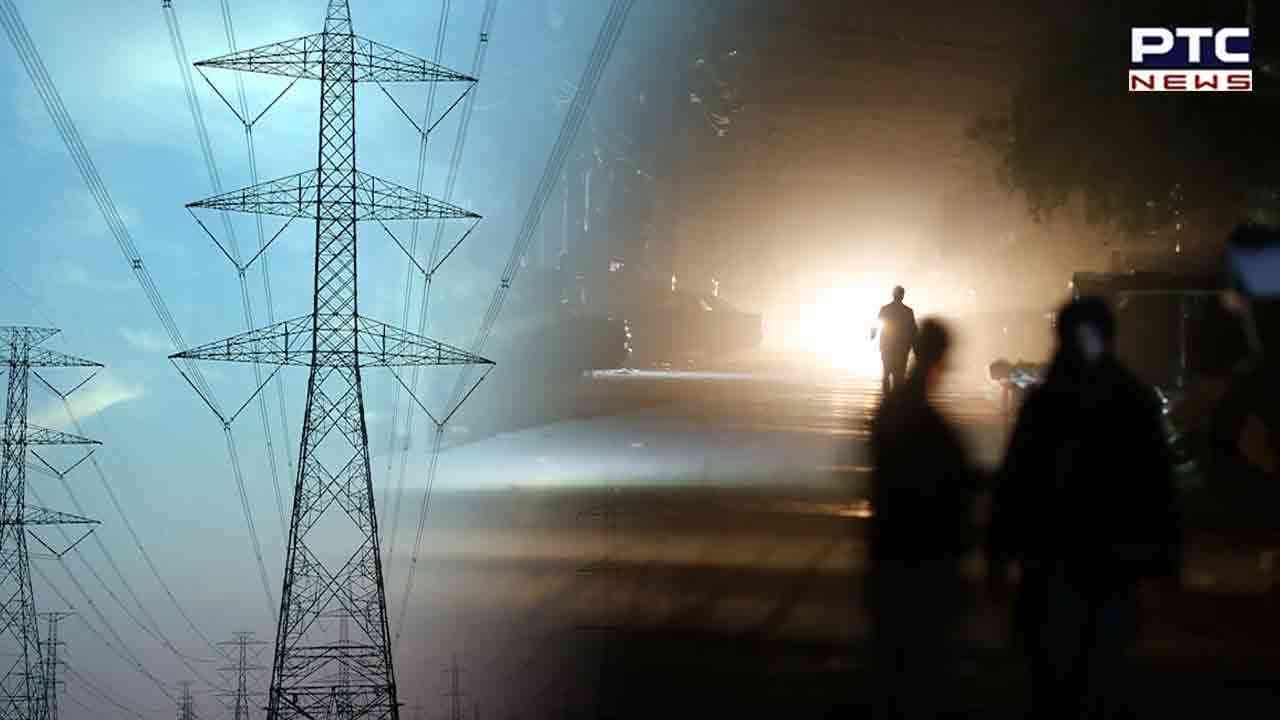
The lights are going out earlier than usual, and this time the government isn’t blaming the weather. Pakistan’s Power Division issued a rare public apology this weekend over worsening load-shedding in Pakistan, pointing to a shortage of imported gas as the culprit behind hours of nighttime power cuts hitting cities across the country, including Lahore, Multan, and Faisalabad.
What the Government Actually Said
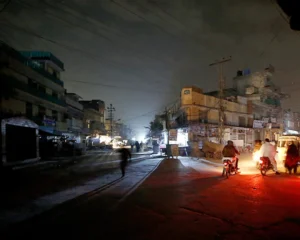
In a statement issued Saturday, the Power Division apologized to consumers for temporary load management during nighttime peak hours, attributing the outages to the unavailability of Regasified Liquefied Natural Gas (RLNG) after a scheduled cargo failed to arrive on time. According to the spokesperson, the shortfall triggered a 3,600-megawatt reduction in power generation, with an additional 195-megawatt decline from Mangla Dam’s hydropower output compounding the problem. As a result, temporary load management of 1.5 to 3 hours is now being carried out nightly to balance electricity supply and demand.
Why This Is Happening Now
The root cause traces back further than a single delayed shipment. RLNG cargoes are typically routed from Qatar through the Strait of Hormuz, a route that has faced disruption since the US-Iran conflict began in February 2026. That disruption forced Pakistan to purchase five expensive RLNG cargoes from the spot market in July, during which RLNG prices saw the biggest single increase in the fuel’s decade-long trading history. According to sources, the current delayed cargo is reportedly stuck in the Strait of Hormuz and could take up to another week to clear the waterway — meaning this isn’t a one-night problem with a quick fix.
To help cover the shortfall, the Power Division said furnace-oil-based power plants were brought online during peak hours, a more expensive backup option typically used only when gas supplies run short.
How Bad Is It, Really?
Officially, the government describes the current situation as 1.5 to 3 hours of nighttime load management. But on-the-ground reporting suggests the impact is landing unevenly and, in some areas, more severely than that figure implies. Sources indicate the shortfall facing the Lahore Electric Supply Company (LESCO) region alone crossed 1,200 megawatts, while the country’s overall power shortfall climbed above 4,000 megawatts. Around 6,000 to 7,000 megawatts of solar power currently support the national grid during daylight hours, which is part of why the Power Division insists there is no load management during the day — but that same solar cushion disappears after sunset, right when the RLNG shortfall bites hardest.
No Daytime Cuts — But Some Areas Still See Longer Outages
The Power Division was clear that no load management is being carried out during daytime hours as a policy matter. However, it also clarified that areas already facing outages due to high distribution losses continue to be supplied according to their existing scheduled load-shedding plans — meaning some regions were already dealing with cuts before this RLNG shortage even began, and are now facing the nighttime shortfall on top of that.
Not the First Apology This Year
This isn’t an isolated incident. The government also apologized to power consumers back in April 2026, that time citing load-shedding that exceeded the promised 2.25-hour limit due to lower water availability for hydropower generation. Two formal apologies within the same year for two different underlying causes — gas supply disruption and water shortage — points to a power system currently vulnerable on multiple fronts at once, rather than a single fixable glitch.
What Happens Next
The Power Division has said load management will ease “as soon as” the delayed RLNG cargo arrives and fuel supplies stabilize, and has urged consumers to reduce electricity use specifically during nighttime peak hours to help minimize the shortfall in the meantime. No firm timeline has been given beyond that, and with the source cargo reportedly still working its way through a contested shipping route, how quickly the situation improves remains genuinely uncertain.
Frequently Asked Questions
Why is Pakistan facing load-shedding right now?
The government attributes it to a shortage of Regasified Liquefied Natural Gas (RLNG) after a scheduled cargo failed to arrive on time, causing a 3,600-megawatt reduction in power generation, compounded by a decline in hydropower output from Mangla Dam.
Is load-shedding happening during the day too?
The Power Division states there is no scheduled load management during daytime hours, largely due to solar power support on the grid. However, areas already facing high distribution losses continue to see outages under their existing load-shedding schedules.
How long will the nighttime power cuts last?
The government says load management will be reduced once the delayed RLNG cargo arrives and fuel supplies improve, though no exact date has been confirmed, and the cargo is reportedly still delayed in transit.
Which areas are most affected?
Reports point to increased pressure on electricity supply in Punjab, including Lahore, Multan, and Faisalabad, with the LESCO region alone reportedly facing a shortfall exceeding 1,200 megawatts.
For now, the safest bet for consumers is following the government’s own advice: cut back on electricity use during nighttime peak hours where possible, since the shortage — and the load management it’s triggering — isn’t expected to ease until the delayed fuel supply actually arrives.
