


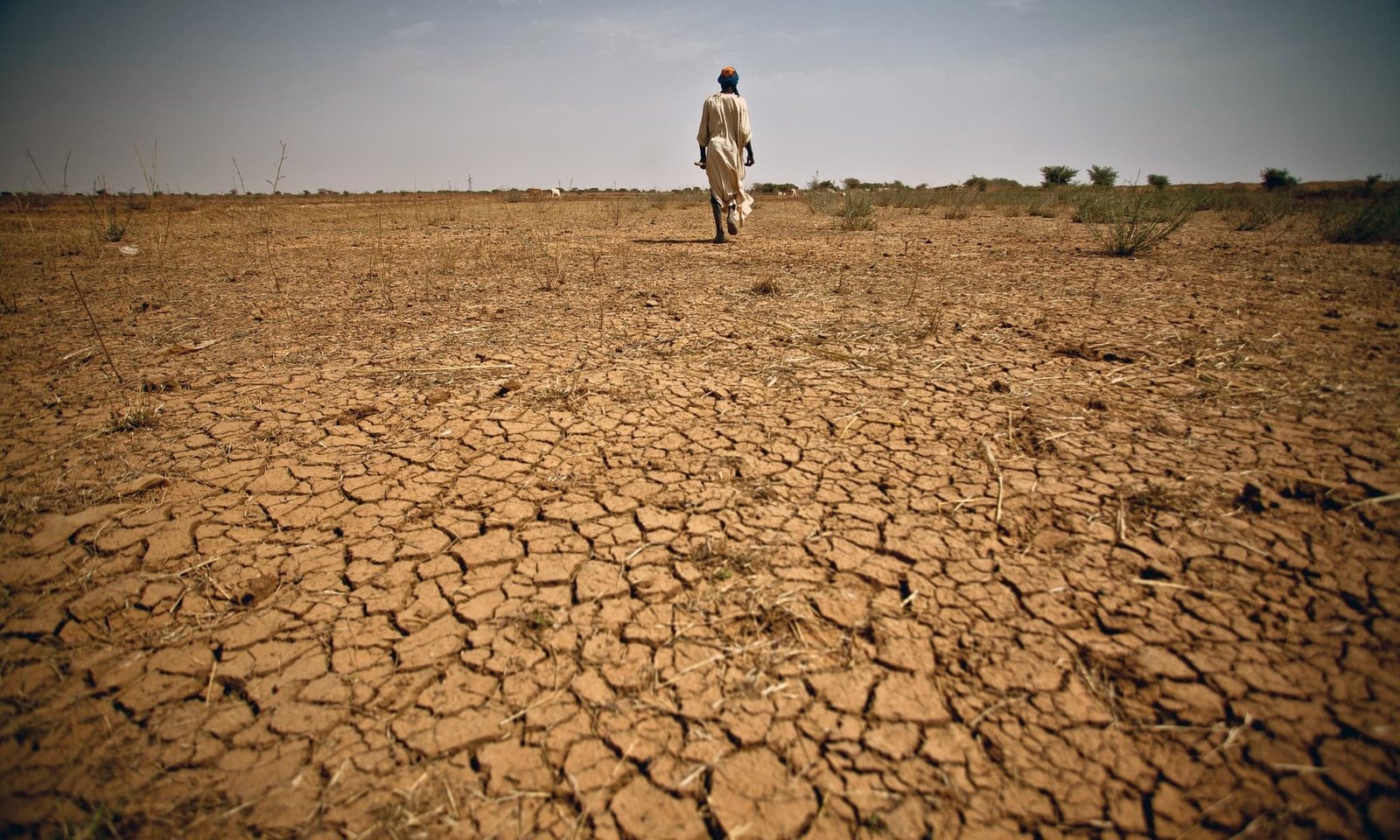
A severe weather pattern is building, and experts are warning it could make 2027 one of the hottest years ever recorded — with Pakistan sitting squarely in the danger zone. Scientists are calling it a “super El Niño,” and its effects are already showing up in Pakistan’s weather. Here’s what’s actually happening, and why it matters.
What Is a “Super El Niño”?
El Niño is a natural climate pattern where parts of the Pacific Ocean warm up more than usual, which then disrupts weather patterns around the world — often bringing extreme heat, shifted rainfall, and more frequent droughts or floods in different regions. This year’s El Niño is being called a “super” one because of its unusual strength. Climate scientist Dr. Fahad Saeed has compared it to the El Niño of 1877-78, widely considered the most severe on record.
Global temperatures are already running about 1.4°C above pre-industrial levels, and a very strong El Niño could push that even higher — adding roughly another 0.3°C on top. That combination is why experts are warning 2027 could end up being the hottest year humanity has ever recorded.
What’s Already Happening in Pakistan
Pakistan’s monsoon season this year has already shown signs of disruption, with rainfall coming in significantly below normal:
- June: 19% below normal rainfall
- July: 11% below normal rainfall
- August: 23% below normal rainfall
Scientists say El Niño years raise the odds of a weaker monsoon in South Asia, though it isn’t a guarantee — the relationship between El Niño and Pakistan’s rainfall has historically been inconsistent. A study covering 1951 to 2012 found that 8 out of 11 El Niño years saw below-normal monsoon rainfall in Pakistan, while a few years, including 1977, 1994, and 1997, actually saw above-normal rainfall.
The Risks Pakistan Is Facing
Dangerous Heatwaves
Southern districts of Pakistan are considered especially at risk of deadly heatwaves. Previous El Niño years — 2015, 2016, and 2024 — all brought severe heatwaves to the country, and the 2015 Karachi heatwave alone reportedly killed over 1,000 people. Experts note that most heat-related deaths in Pakistan go uncounted, meaning the real toll is likely higher than official records show.
Drought and Food Security
Southern provinces could see drought-like conditions develop. Pakistan has lived through this before — the 1999-2002 drought severely hurt agricultural output, especially in 2000-01, and drove large numbers of people to migrate out of Sindh and Balochistan in search of work and water. Persistent heat combined with weak rainfall threatens to repeat that kind of strain on farming communities.
Health System Strain
The World Health Organization has described this El Niño event as “a significant public health threat” and a “risk multiplier” — meaning it makes existing health and resource challenges worse, especially in places where healthcare access is already limited.
Why This El Niño Is Different
Climate researcher Dr. Regina Rodrigues points out that strong El Niño events are becoming more frequent. The gap between major events used to be around 15 years; this one arrived just three years after the last strong El Niño in 2023-24. She also notes that extreme weather impacts tend to cluster in the second half of an El Niño cycle — meaning the worst effects for Pakistan may still be ahead, expected to peak around late 2026 and continue well into 2027.
What Experts Are Urging
Climate and health experts are calling on the government to take a proactive approach to both drought and flood risk planning, rather than reacting after damage occurs. Given how unpredictable El Niño’s exact effects on Pakistan’s monsoon have historically been, being prepared for either extreme — intense heat and dry spells, or sudden heavy rainfall — is being treated as the safer approach.
Frequently Asked Questions
Is this El Niño confirmed to cause a drought in Pakistan?
Not confirmed — El Niño raises the likelihood of below-normal monsoon rainfall in Pakistan, but it isn’t a guarantee, since results have varied significantly across past El Niño years.
When will this El Niño’s effects be strongest?
Experts expect it to peak toward the end of 2026, with effects likely continuing well into 2027.
How is this El Niño different from previous ones?
It’s considered unusually strong, and strong El Niño events are now happening more frequently — this one arrived just three years after the last major one in 2023-24, compared to a historical gap of around 15 years.
Which parts of Pakistan are most at risk?
Southern provinces, including Sindh and Balochistan, are considered most vulnerable to both drought conditions and severe heatwaves.
With rainfall already running below normal this year and the strongest effects of this El Niño still expected, officials and health experts are urging Pakistan to prepare now — for both extreme heat and the possibility of a weaker monsoon — rather than wait for the worst of it to arrive.
