


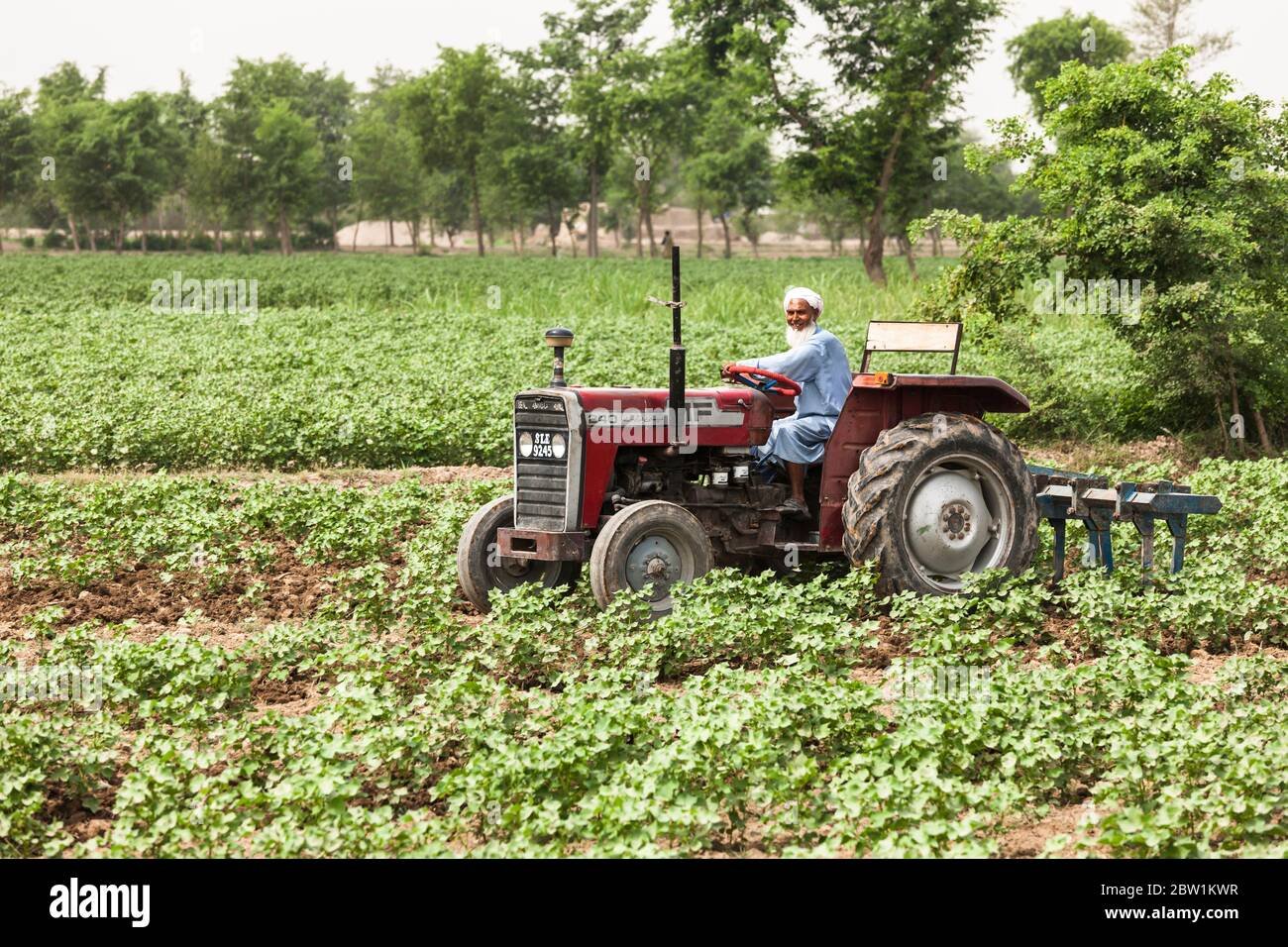
Punjab’s subsidized tractor scheme has drawn a flood of applications far outstripping what’s actually available, with over 200,000 farmers applying for just 10,000 subsidized tractors under Phase III of the Chief Minister’s Green Tractor Programme — leaving the vast majority to be decided by a digital lottery.
What’s Being Offered
| Detail | Phase III Terms |
|---|---|
| Tractors available | 10,000 |
| Horsepower range | 50–65 HP |
| Subsidy per tractor | Rs. 500,000 |
| Minimum landholding required | 5 acres, owned in the farmer’s own name |
| Selection method | Computerized digital balloting (Qura-andazi) |
Eligible farmers must be permanent residents of Punjab, hold a valid CNIC and registered mobile number in their own name, have no outstanding Kissan Card defaults, and not have already received a tractor under a previous phase of the Green Tractor Scheme or the Wheat Grow Program.
The Scale of the Oversubscription
The mismatch between demand and supply here is stark. Provincial Minister for Agriculture Ashiq Hussain Kirmani has confirmed that applications for this phase climbed into the hundreds of thousands, with figures reported as high as 427,000 farmers applying as the scheme’s application window progressed — meaning even at the higher end, fewer than one in 40 applicants will actually receive a tractor. That leaves the large majority of eligible small farmers dependent entirely on the luck of a computerized draw rather than guaranteed access.
Why Demand Is So High
The core driver behind this rush is affordability. Officials have noted that tractor prices in Pakistan have more than doubled over the past five years, pushing mechanized farming equipment increasingly out of reach for small and medium landholders already squeezed by rising input costs. Punjab currently has only around 140 tractors per 10,000 acres of farmland — a lower mechanization ratio than many other agricultural economies — underlining just how large the underlying unmet demand really is.
The Programme’s Track Record So Far
This isn’t a standalone initiative — it’s the latest stage of a multi-phase rollout. According to officials, only around 20,000 tractors were distributed over the programme’s first 25 years combined, while 31,000 tractors have been distributed in just the last two years under the current, accelerated phase of the scheme, with two earlier phases already delivering 21,000 tractors to farmers before Phase III began.
| Phase | Tractors Distributed / Planned | Subsidy per Tractor |
|---|---|---|
| Phase 1 | 9,500 tractors (75–125 HP) | Rs. 1,000,000 |
| Phase 2 | ~11,500 tractors combined across categories | Rs. 500,000 – 1,000,000 (by HP tier) |
| Phase 3 | 10,000 tractors (50–65 HP) | Rs. 500,000 |
How the Selection Process Works
Because demand so heavily outstrips supply, selection is handled through a computerized digital balloting system rather than a first-come, first-served process — intended to keep the process transparent and merit-based rather than favoring farmers with better connections or faster internet access. Successful applicants are typically notified directly, with winners’ names published on the official Green Tractor Scheme portal and shared with district agriculture offices. Chief Minister Maryam Nawaz has personally taken part in past draws, including phoning some winning applicants directly to inform them of their selection.
What This Means for Farmers Who Don’t Get Selected
For the vast majority of applicants who won’t be selected in this round, the program’s expansion pace offers some reassurance — officials have indicated plans for a further 20,000 tractors in the following fiscal year, suggesting unsuccessful applicants may have another opportunity in an upcoming phase rather than a permanently closed door. In the meantime, farmers who aren’t selected are left navigating the same affordability gap the scheme was designed to close, often relying on rental machinery or older equipment for the current farming season.
Final Thoughts
The scale of oversubscription in this scheme — well over 200,000 applicants chasing 10,000 tractors — says as much about the depth of Punjab’s farm mechanization gap as it does about the popularity of the subsidy itself. With tractor prices continuing to climb and mechanization levels still trailing other agricultural economies, this kind of demand is likely to persist in future phases unless the province’s tractor allocation scales up substantially to match it.
