

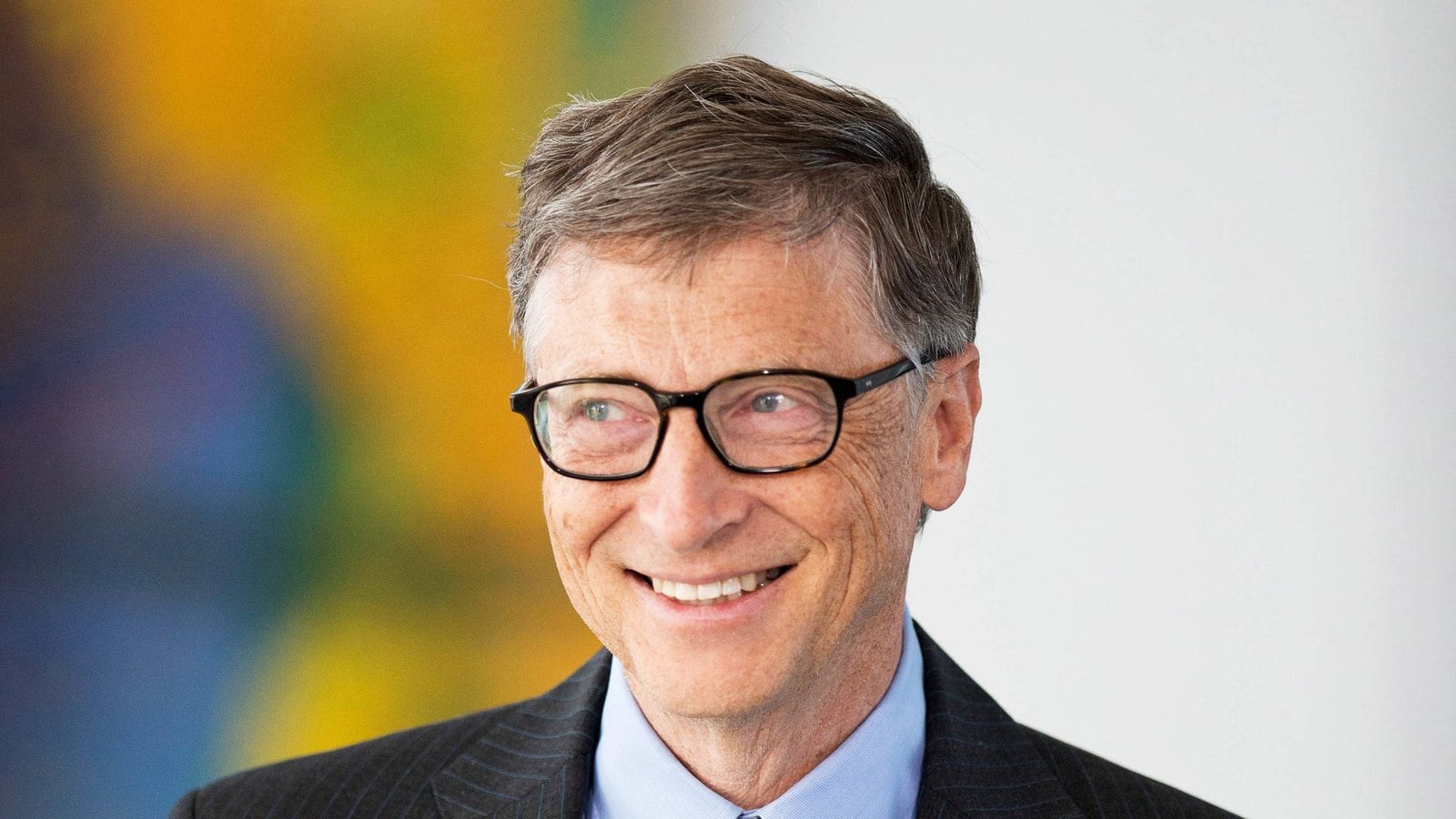
Bill Gates says the danger from artificial intelligence that will hit hardest, and soonest, isn’t some far-off robot uprising — it’s cybercrime. Speaking to ABC News, the Microsoft co-founder said AI-powered cyberattacks are set to escalate sharply over the next year, well before any of the bigger, longer-term AI risks become a real concern.
What Gates Actually Said
“The front that we’ll probably see most dramatically in the next year is cyberattacks,” Gates told ABC News. He said the risk of AI “getting out of control” on its own is still years away — the more pressing problem right now is people misusing the AI tools that already exist.
According to Gates, bad actors are finding ways to strip safety safeguards out of existing AI systems, including some of the newest and most capable models. He said he expects “negative surprises” over the coming year, mainly in cybersecurity.
Why This Matters Now
Gates argued that self-regulation by AI companies isn’t enough on its own to keep the public safe, and said tighter restrictions are needed to stop bad actors from using AI for both cyberattacks and bioterrorism. His comments add to a growing list of warnings he’s made this year about AI moving faster than the world’s ability to prepare for its risks — in August, he warned that the world was dangerously unprepared for AI’s disruption, particularly its impact on jobs.
Part of a Wider Pattern Among Tech Leaders
Gates isn’t alone in raising the alarm. Several AI companies and tech executives have issued similar warnings in recent months about AI-enabled cybersecurity threats, even as those same companies continue racing to build more powerful models. Critics have pointed out the tension in this — the people building the technology are also the ones warning about its dangers, while continuing to develop it at full speed.
What This Could Mean for Everyday Users
- AI tools can already help attackers write more convincing phishing messages, scan for software vulnerabilities faster, and automate attacks that once required skilled hackers.
- This lowers the bar for smaller, less-skilled groups to carry out cybercrime that previously required significant expertise.
- Experts generally recommend the basics still matter most: strong, unique passwords, two-factor authentication, and skepticism toward unexpected messages or links — even ones that look unusually polished or personalized.
Frequently Asked Questions
Is Bill Gates saying AI itself is about to become uncontrollable?
No. He specifically said that risk is still years away. His immediate concern is people misusing current AI tools for cyberattacks.
What does he think should be done about it?
He said AI companies regulating themselves isn’t sufficient, and called for tighter restrictions to prevent misuse for cyberattacks and bioterrorism.
Has Gates made similar warnings before?
Yes. In August, he warned that the world is unprepared for the disruption AI could cause, especially to jobs, and has repeatedly flagged AI safety as an area moving faster than regulation.
Are AI companies doing anything about this themselves?
Some have publicly called for more coordinated action on AI-related cybersecurity, even as development of more powerful models continues.
With Gates expecting cyberattacks to be the most visible AI-related danger over the next year, the practical takeaway for most people is to tighten everyday digital habits now, rather than wait for regulation to catch up.
