


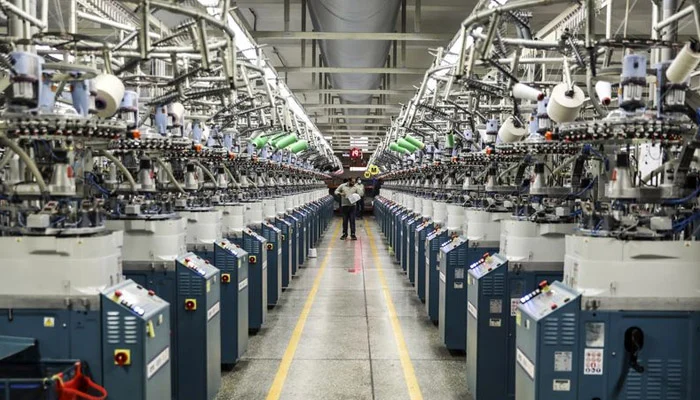
From a single Faisalabad factory floor to the socks on Nike and Adidas shelves worldwide — Pakistan’s textile industry just scored a genuine global win. Interloop Pakistan, the country’s largest hosiery exporter, has confirmed a $35 million investment to build a new manufacturing hub in Egypt, marking one of the most significant international expansions ever undertaken by a Pakistani textile company. Here’s what the achievement actually means, and why it matters well beyond Faisalabad.
A $35 Million Bet on Egypt
Interloop is building a new hosiery manufacturing hub inside Egypt’s Suez Canal Economic Zone, a strategic location chosen specifically to boost exports to Western Europe and Gulf Cooperation Council markets. According to Interloop Chairman Musadaq Zulqarnain, the Egypt facility is expected to cut shipping times by 20 days and reduce production costs by roughly 10 percent compared to shipping directly from Pakistan — a meaningful competitive edge in an industry where delivery speed increasingly determines which supplier wins a contract.
The plant will use Pakistani-spun yarn, keeping a core part of the supply chain rooted at home even as manufacturing expands abroad. Interloop is targeting $40 million in exports from the Egypt facility to the US, Europe, Africa, and GCC markets within three years of launch.
From Faisalabad to a Global Sock Empire
Interloop’s scale is already massive by any measure. The company produces about one billion socks annually across manufacturing plants in Pakistan, China, Sri Lanka, and Bangladesh, supplying some of the biggest names in global apparel — including Nike, Adidas, Puma, Target, H&M, Zara, and Marks & Spencer. The new Egypt hub extends that manufacturing footprint to a sixth country, reinforcing Interloop’s position not just as a Pakistani success story, but as a genuinely global manufacturing operation built from a Pakistani base.
A Pakistani First: Science-Based Climate Targets
Alongside its international expansion, Interloop holds another notable distinction: it became the first large-scale Pakistani enterprise to receive validation from the Science Based Targets initiative (SBTi) for its greenhouse gas emissions reduction targets. The company has committed to a 51% reduction in its direct and indirect emissions in line with the global 1.5°C climate pathway, along with a 30% reduction in value-chain emissions by 2032. Interloop has also earned Organic Kapas IC1 certification, validating its adherence to organic cotton cultivation practices — a credential increasingly important to the Western retailers it supplies, many of whom face growing pressure to prove sustainable sourcing.
Financial Rebound After a Tough Stretch
The international expansion comes as Interloop’s financial performance has shown a significant rebound in the nine months of fiscal year 2026, following a period of declining profits and margins in recent years despite continued revenue growth. For fiscal year 2025, the company reported revenue of roughly Rs. 173.4 billion (approximately $620 million), with net income of Rs. 5.4 billion. The company has set an ambitious target of reaching $700 million in overall revenue, supported by improving capacity utilization across its hosiery, denim, and spinning divisions.
Why This Matters for Pakistan’s Export Economy
Interloop’s Egypt expansion arrives at a notable moment for Pakistan’s textile sector, which has faced a modest year-on-year dip in apparel exports to the US even as overall textile and apparel exports showed a slight recovery on demand stabilization in Western markets. A Pakistani company successfully expanding its own manufacturing footprint abroad — rather than simply exporting from home — signals a maturing export strategy, one that positions Pakistani firms as genuine global manufacturers rather than solely cost-competitive suppliers.
Frequently Asked Questions
What is Interloop’s new achievement in 2026?
Interloop confirmed a $35 million investment to build a new hosiery manufacturing hub in Egypt’s Suez Canal Economic Zone, aimed at boosting exports to Western Europe and Gulf markets.
How many socks does Interloop produce?
Interloop has the capacity to produce approximately one billion socks annually across its manufacturing plants in Pakistan, China, Sri Lanka, and Bangladesh.
Which global brands does Interloop supply?
Interloop supplies hosiery, denim, and apparel to major international brands including Nike, Adidas, Puma, Target, H&M, Zara, and Marks & Spencer.
Is Interloop a sustainable company?
Yes. Interloop was the first large-scale Pakistani enterprise to receive Science Based Targets initiative (SBTi) validation for its greenhouse gas emissions reduction targets, alongside earning Organic Kapas IC1 certification for organic cotton practices.
With a new manufacturing base rising in Egypt, a growing sustainability track record, and a rebounding balance sheet, Interloop’s latest achievement reflects more than one company’s growth — it’s a signal of how far a Pakistani manufacturer can scale when it plays the long game on both global expansion and environmental responsibility.
