


Paying more tax on bank withdrawals, car registration, or property transfers than you need to? Becoming a registered taxpayer, and actually filing your return, is what fixes that. This guide explains how to register as a taxpayer in Pakistan through FBR’s IRIS portal, and what separates simply registering from becoming an active “filer.”
Registering vs. Becoming a Filer: Know the Difference
These two terms get mixed up often, but they’re not the same thing:
- Registering as a taxpayer means getting a National Tax Number (NTN) from FBR. For individuals, your 13-digit CNIC becomes your NTN once you’re registered.
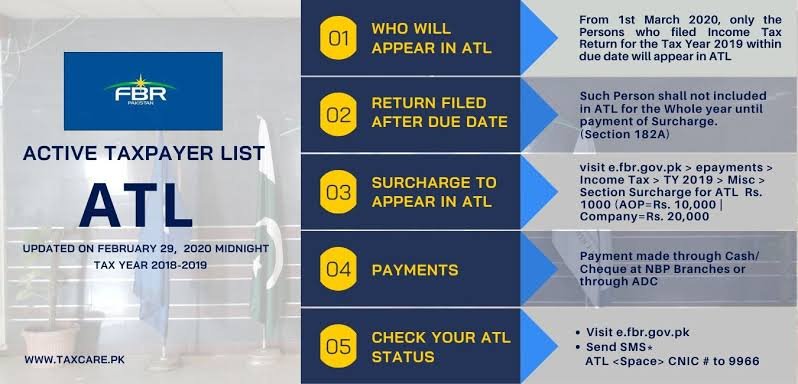
- Becoming a filer means actually submitting your income tax return. Only once FBR processes your return does your name get added to the Active Taxpayer List (ATL), and that’s what makes you an active filer.
In other words, registering alone doesn’t make you a filer. You have to file a return to get the benefits that come with filer status.
Who Needs to Register?
- Anyone earning above the taxable income threshold set under the Income Tax Ordinance
- Salaried individuals, freelancers, and business owners earning taxable income
- Property owners and vehicle owners above certain value thresholds
- Anyone who wants to avoid higher withholding tax rates applied to non-filers on banking transactions, property deals, and vehicle purchases
Why Filer Status Matters
Non-filers pay significantly higher withholding tax on many common transactions, including bank cash withdrawals above a certain limit, vehicle registration, property purchases, and profit on savings. Filers also benefit from lower tax rates on dividends and other transactions, and filer status is often required for things like opening certain bank accounts or participating in some government tenders.
Documents You Need
- Valid CNIC
- A mobile number not already registered with FBR against another person
- An email address not already registered with FBR against another person
- Your employer’s details, if you’re salaried, or your business details if you’re self-employed
- Bank account details
How to Register as a Taxpayer: Step by Step
Step 1: Go to the FBR IRIS Portal
Visit iris.fbr.gov.pk, FBR’s official online tax registration and filing platform, now upgraded to IRIS 2.0.
Step 2: Select “Registration for Unregistered Person”
If you don’t already have an FBR profile, choose this option to start a new registration.
Step 3: Choose Your Taxpayer Type
Select whether you’re registering as an Individual, an Association of Persons (AOP), or a Company. Most salaried people, freelancers, and sole proprietors register as an Individual.
Step 4: Verify Your CNIC and Mobile Number
Enter your CNIC and mobile number. FBR sends a verification code (OTP) to confirm both.
Step 5: Verify Your Email
FBR also sends a code to your email address to confirm it.
Step 6: Complete Form 181
Fill in your personal details, income source, and, if applicable, your employer’s or business’s information.
Step 7: Submit Your Application
Review your details and submit. Once approved, your registration is complete, and your CNIC now functions as your NTN.
Next Step: File Your Return to Actually Become a Filer
Registering gets you an NTN, but you still need to log in to IRIS and submit your income tax return for the relevant tax year to appear on the Active Taxpayer List. Once your return is processed, you’re officially an active filer.
Checking Your Filer (ATL) Status
You can confirm whether you’re on the Active Taxpayer List in a few ways:
- Online: use the ATL Verification tool on the FBR website, searching by CNIC or NTN, no login required.
- SMS: type ATL (space) your 13-digit CNIC and send it to 9966.
- Tax Asaan App: open the app, go to Filer Verification, and enter your CNIC to check instantly from your phone.
The Tax Asaan App
FBR’s Tax Asaan mobile app is designed to simplify tax filing and status checks for everyday users. You can use it to check your ATL status, and in many cases, file a simplified return directly from your phone, which is useful for salaried individuals with straightforward income.
Filing Deadline
For Tax Year 2026 (income earned between July 1, 2025 and June 30, 2026), the statutory deadline for salaried individuals, other individuals, and Associations of Persons to file their return is September 30, 2026. FBR has extended this deadline in past years, sometimes after initially insisting it wouldn’t, so don’t assume an extension will happen. Check FBR’s official announcements for the current status before you rely on any extended date, and file as close to the original deadline as you can to avoid last-minute system load or missing a late announcement either way.
Penalty for Late or Non-Filing
Missing the deadline means your name won’t appear on the current year’s Active Taxpayer List on time, exposing you to higher withholding tax rates in the meantime, plus a surcharge for late ATL inclusion once you do file. These surcharges have been raised in recent years, so filing on time is meaningfully cheaper than filing late.
Frequently Asked Questions
Is registering for an NTN the same as becoming a filer?
No. Registering gets you an NTN. You become a filer, and appear on the Active Taxpayer List, only after you actually submit your income tax return.
How much does it cost to register with FBR?
NTN registration through the IRIS portal is free.
Can I register entirely online?
Yes. The entire registration process is done online through the IRIS portal, with no physical office visit required for this step.
How do I check if I’m on the Active Taxpayer List?
Use the ATL Verification tool on FBR’s website, send your CNIC by SMS in the format “ATL CNIC” to 9966, or check through the Tax Asaan app.
What happens if I don’t register or file at all?
You’ll be treated as a non-filer, which means paying significantly higher withholding tax on common transactions like bank withdrawals, vehicle registration, and property purchases.
Registering as a taxpayer in Pakistan takes just a few steps through IRIS, but the real benefit only kicks in once you file your return and land on the Active Taxpayer List. Register early, file before the deadline, and you’ll avoid both the higher non-filer tax rates and any late surcharge.
