


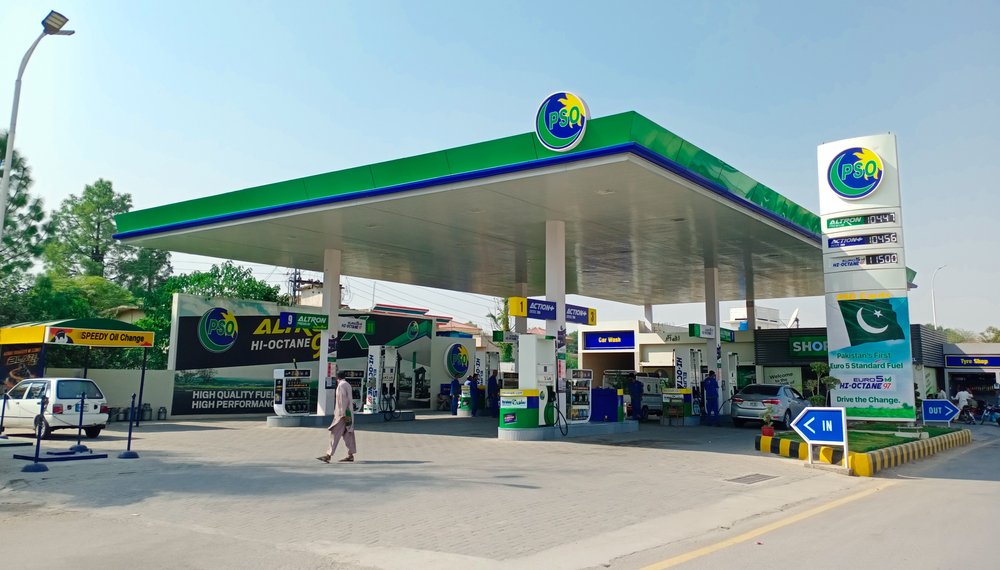
Pakistan’s fuel prices climbed again on Tuesday, pushing petrol to within striking distance of a symbolic threshold few drivers wanted to see. The petrol price in Pakistan now stands at Rs. 346.16 per litre after the Oil and Gas Regulatory Authority (OGRA) raised rates by Rs. 2.29 — the latest in a string of near-daily increases driven by global oil market turbulence.
The Latest Numbers
Under the revised notification issued Tuesday, September 2, 2026, petrol increased by Rs. 2.29 per litre, bringing the new price to Rs. 346.16. High-speed diesel (HSD) — the fuel that powers most of Pakistan’s freight and transport sector — rose by Rs. 1.11 per litre, reaching Rs. 372.03. Both revised prices took effect immediately upon notification.
Not a One-Off: A Pattern of Near-Daily Hikes
This increase follows a similar hike just a day earlier, when petrol rose by Rs. 1.08 per litre to Rs. 343.87 on September 1. Since Pakistan shifted to a new daily fuel-pricing mechanism, petrol has climbed by a cumulative Rs. 32.57 per litre and diesel by Rs. 41.41 per litre from the baseline when the system began. That pace of increase marks a significant shift from the older fortnightly pricing model most Pakistani consumers were used to.
Why Pakistan Moved to Daily Pricing
The shift to daily fuel pricing is a direct response to volatile global oil markets. Under the new framework, OGRA calculates pump rates using a rolling average of international oil prices, freight costs, and currency fluctuations, then publishes updated rates directly to its portal without requiring prior cabinet or Ministry approval. The goal is to let domestic prices track global market movements immediately rather than lagging behind by two weeks, reducing the risk of panic buying or artificial shortages ahead of anticipated price hikes. The framework also caps the petroleum levy within limits set by the federal cabinet, with any changes requiring separate approval from the Finance Division.
What’s Driving Prices Up Globally
The latest increase comes as international oil markets face renewed uncertainty tied to escalating tensions in the Middle East. Ongoing concerns over potential disruptions to oil shipments through the Strait of Hormuz — a critical global oil transit route caught in the middle of the broader Iran-US standoff — have added pressure to global energy benchmarks, pushing crude prices higher and feeding directly into Pakistan’s new daily pricing formula.
What This Means for Ordinary Consumers
Higher petrol and diesel prices rarely stay contained to the fuel pump. Since HSD powers the bulk of Pakistan’s trucking and transport sector, increases in diesel prices typically filter into higher transport fares and, over time, the prices of food, goods, and other essential items. With the new daily pricing system, these adjustments can now happen more frequently and in smaller increments, meaning consumers may see prices shift more often rather than facing one larger jump every two weeks.
Government Response and Sector Reforms
The price hike came just as Federal Minister for Petroleum Ali Pervaiz Malik held meetings with the Overseas Investors Chamber of Commerce and Industry (OICCI) and Pakistan State Oil (PSO) leadership in Karachi, discussing energy security, investment opportunities, and ongoing sector reforms. The Minister highlighted efforts to modernize refining infrastructure and strengthen exploration, alongside initiatives like bonded storage and strategic petroleum reserves aimed at improving energy security. Separately, the government has overhauled fuel-import arrangements for the 2026–27 fiscal year, giving PSO exclusive responsibility for importing HSD while allowing oil marketing companies to import petrol according to their market shares — with penalties, including import bans of up to nine months, for companies that fail to meet their commitments.
The government has also taken enforcement action alongside the pricing changes, shutting down roughly 2,500 petrol pumps across the country as part of a crackdown on fuel smuggling and illegal sales, with action taken against the owners and operators involved.
Frequently Asked Questions
What is the current petrol price in Pakistan?
As of September 2, 2026, petrol is priced at Rs. 346.16 per litre, following a Rs. 2.29 increase notified by OGRA.
Why do fuel prices in Pakistan change so often now?
Pakistan has moved to a daily fuel-pricing mechanism, where OGRA adjusts petrol and diesel rates based on a rolling average of international oil prices, freight costs, and currency movements, replacing the older fortnightly review system.
What is the current diesel price?
High-speed diesel (HSD) is priced at Rs. 372.03 per litre as of the latest notification, up Rs. 1.11 from the previous rate.
Why are oil prices rising globally right now?
Ongoing tensions in the Middle East, particularly around the Strait of Hormuz, have raised concerns about potential disruptions to global oil shipments, pushing international crude prices higher.
With Pakistan’s new daily pricing system now tightly linked to volatile global oil markets, further near-term price movements — in either direction — are likely, and consumers should expect more frequent, smaller adjustments rather than the larger, less frequent hikes of the past.
