


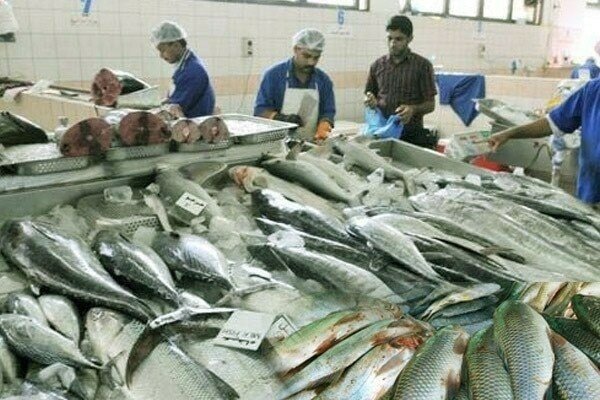
Pakistan’s fisheries sector just posted its best year on record, with seafood exports reaching nearly $570 million in fiscal year 2025-26 — a milestone officials say reflects both stronger compliance with international food safety standards and the sector’s slow return to European store shelves after years of restricted access.
The Numbers Behind the Record
According to the Marine Fisheries Department, Pakistan’s fish and fisheries exports climbed to $568 million in FY2025-26, marking a 38% increase over just two years.
| Fiscal Year | Seafood Export Value |
|---|---|
| 2023-24 | $406 million |
| 2024-25 | $489 million |
| 2025-26 | $568 million (record) |
What’s Actually Being Exported
Frozen fish remains Pakistan’s single largest seafood export category, followed closely by squid and cuttlefish, with fish meal, shrimp, and crab rounding out the top five:
| Product | Export Value (FY2025-26) |
|---|---|
| Frozen fish | $105.09 million |
| Frozen squid & cuttlefish | $103.71 million |
| Fish meal | $83.12 million |
| Shrimp | $62.14 million |
| Crabs | $36.89 million |
| Sardines | $30.62 million |
| Mackerel | $22.67 million |
Why the EU Market Matters So Much
Part of what makes this year’s number significant is the story behind it. The European Union imposed a complete ban on Pakistani fisheries imports in 2007 over food safety and traceability concerns. It took until 2013 for even a handful of companies — four in total — to regain partial access to the EU market. The Marine Fisheries Department says Pakistani seafood products are now appearing on EU store shelves again, a development it credits with helping restore international confidence in the country’s fisheries sector after nearly two decades of rebuilding that trust.
New Markets Are Opening Too
Beyond the EU, Pakistan has also gained fresh export access to Russia, with 16 Pakistani seafood processing plants now approved to export there — the first time the Russian market has been open to Pakistani seafood, and a route that also creates opportunities across the broader Eurasian Economic Union.
The Bigger Opportunity: Value Addition
Officials are framing this record as a floor, not a ceiling. The Marine Fisheries Department estimates Pakistan could grow fisheries exports to as much as $3 billion — more than five times the current figure — if the sector shifts from exporting raw, unprocessed seafood toward processed, packaged, and branded products instead. That shift would mean capturing more value locally, rather than exporting lower-margin raw catch for other countries to process and re-sell.
Room to Grow — and Real Challenges Ahead
Pakistan’s fisheries sector currently contributes only around 1% of GDP, despite the country’s extensive coastline and marine resources. Officials acknowledge the sector still faces meaningful headwinds, including overfishing, post-harvest losses, and illegal fishing practices that continue to put pressure on marine resources. The government has responded with targeted investment, including a Rs. 3 billion (roughly $10.5 million) aquaculture park planned on 120 acres in Karachi, developed through a public-private partnership, alongside a separate seafood processing zone planned for Korangi.
Final Thoughts
Crossing $0.57 billion marks Pakistan’s strongest year yet for seafood exports, driven largely by renewed access to the EU market and improved compliance with international food safety standards. But officials themselves are pointing past the milestone toward a much bigger target — a $3 billion fisheries export sector built on processing and value addition rather than raw seafood shipments, which would require sustained investment in infrastructure, sustainable fishing practices, and market access well beyond this year’s record.
