


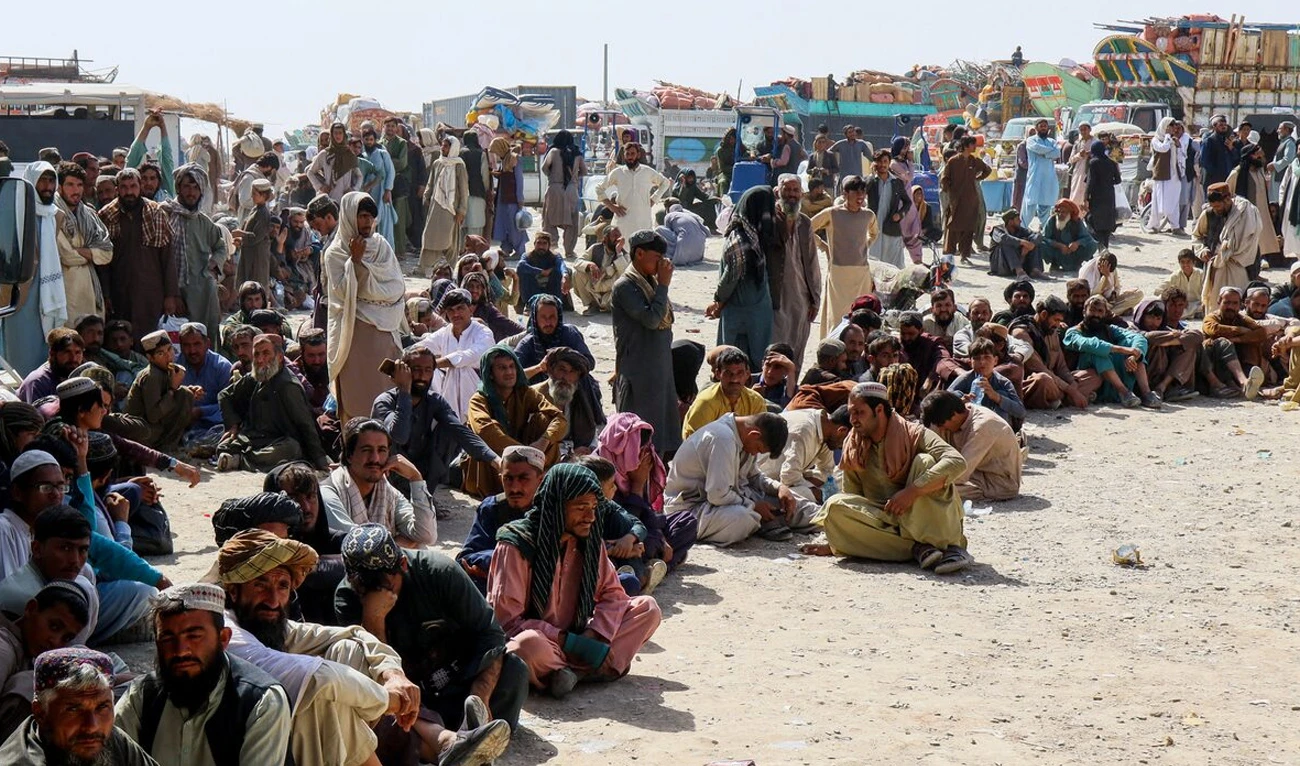
More than 300,000 Afghans have returned from Pakistan to Afghanistan since the start of this year, as Islamabad continues implementing its Illegal Foreigners Repatriation Plan (IFRP) — and by early September, the pace of returns had accelerated sharply, with UN agencies warning that support systems on the Afghan side are struggling to keep up.
How the Numbers Have Grown Through the Year
The 300,000 figure marked an early-year checkpoint, but returns have picked up significantly since. According to UNHCR, more than 554,000 Afghans returned from Pakistan between April and late August alone, including 143,000 in August. The pace surged further into September, with nearly 100,000 people crossing back from Pakistan in just the first week of the month. Combined with returns from Iran, UNHCR says roughly 2.6 million Afghans have returned from neighboring countries since the start of the year — many of them not by choice.
What the Repatriation Plan Is
Pakistan launched the IFRP in October 2023, aiming to repatriate undocumented foreigners — the overwhelming majority of them Afghans — in phases. The government has cited a rise in militant attacks as a key driver, saying anti-Pakistan groups have found sanctuary across the border in Afghanistan and stepped up assaults on Pakistani security forces and civilians. Since the plan’s launch, the cumulative number of Afghans repatriated has climbed into the millions, with Pakistan reporting nearly 800,000 returns in just the plan’s first full year alone.
Who’s Still in Pakistan
Pakistan remains one of the world’s largest refugee-hosting countries. UNHCR estimates the country still hosts around 1.5 million registered Afghan refugees, with the Pakistani government estimating a further 600,000 Afghans have sought refuge since the events of 2021, many of them undocumented.
The Humanitarian Concerns
UN agencies have repeatedly stressed that returns should be voluntary, safe, dignified, and sustainable — and have raised concerns that many recent returns don’t meet that standard. Afghanistan continues to face a severe humanitarian crisis, with high poverty, drought, and — in some of the very regions receiving returnees — recovery efforts still underway following a devastating earthquake. UNHCR has warned of a “crisis within a crisis,” with returnees arriving in areas where local communities are already struggling to meet their own basic needs.
Funding for the response has also become a serious constraint. UNHCR says it has been forced to temporarily scale back some cash and support operations inside Afghanistan due to a lack of resources, even as the number of people needing assistance keeps rising. The agency’s regional appeal for the returns response stands at over $258 million, with funding levels described as critically short of what’s needed.
Returns at a Glance
| Metric | Figure |
|---|---|
| Afghans returned from Pakistan, early this year | 300,000+ |
| Returned from Pakistan, April–August (this year) | 554,000+ |
| Returned from Pakistan in August alone | 143,000 |
| Returned in first week of September | ~100,000 |
| Total returns from Pakistan & Iran, year-to-date | ~2.6 million |
| Registered Afghan refugees still in Pakistan | ~1.5 million |
Final Thoughts
What began as an early-year figure of 300,000 has more than doubled within months, reflecting how sharply Pakistan’s repatriation drive has accelerated through 2026. With Afghanistan simultaneously managing earthquake recovery, deep poverty, and a funding shortfall in the humanitarian response, the scale and speed of these returns continue to raise concerns among UN agencies about whether the country’s absorption capacity can keep pace — even as Pakistan maintains the drive is necessary on security grounds.
