


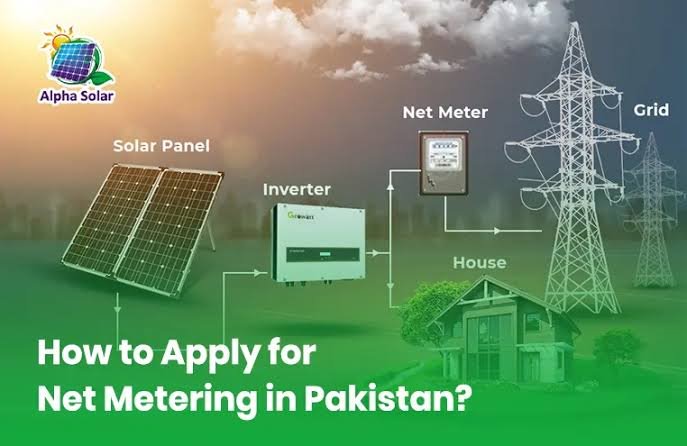
Planning rooftop solar and want to sell extra power to the grid? The rules have changed. In 2026, NEPRA replaced the old system with net billing, so applying for solar net metering in Pakistan now follows new steps, new fees, and a much lower buyback rate. This guide explains the current process, the costs, and what to check before you invest.
Net Metering vs Net Billing: What Changed in 2026
On 9 February 2026, NEPRA notified the NEPRA (Prosumer) Regulations, 2026. They repealed the 2015 net metering rules. A prosumer is a customer who both uses and produces electricity.
Under the old system, exported and imported units were exchanged one for one. Under net billing, the power company buys your exports at a lower price and bills your imports at the normal tariff.
| Feature | Old Net Metering | New Net Billing (2026) |
|---|---|---|
| Export value | About Rs26 per unit | National average energy purchase price, about Rs10 to Rs11 per unit |
| Imported units | Netted against exports | Billed at the normal tariff |
| Agreement term | 7 years | 5 years |
| Maximum size | Up to 1 MW | Up to 1 MW, within sanctioned load |
Dawn reported that units supplied by the power company are billed at the applicable tariff, which was Rs37 to Rs55 per unit before taxes. Reports also cite other buyback figures, such as Rs8.13 and Rs11 to Rs13. Therefore, check the exact rate with your DISCO before you sign.
Existing Net Metering Customers
Existing prosumers continue under their current agreements until expiry. After that, renewals fall under the new billing structure. Some reports say NEPRA later changed the rules for agreements signed before 9 February 2026. If you already have a connection, keep your signed agreement and confirm your status with your DISCO.
Who Can Apply?
- Homes, shops, businesses, and industries with solar, wind, or biogas systems.
- Systems up to 1 megawatt.
- System capacity must stay within your sanctioned electricity load.
The rules also set technical limits. NEPRA will not allow new connections once generation on a transformer reaches 80 percent of its rated capacity. Systems of 250 kW or more need a load flow study.
Documents You Typically Need
Each DISCO may ask for slightly different papers, so check with your sub-division office. Typical items include:
- Copy of your CNIC.
- A recent electricity bill with the reference number.
- Proof of ownership, or a rent agreement with the owner’s permission.
- The installer’s system design or single-line diagram.
- Datasheets for the panels and inverter.
How to Apply for Solar Net Metering in Pakistan: Step by Step
- Check your sanctioned load. Your solar capacity cannot exceed it. If you need a higher load, apply to increase it first.
- Choose a qualified installer. Ask for a clear design, equipment datasheets, and a written price. Ask your DISCO whether it requires a registered installer.
- Submit your application to the DISCO. Apply to your local power company, such as LESCO, IESCO, MEPCO, FESCO, GEPCO, PESCO, or K-Electric. Ask the sub-division office whether an online portal is available.
- Wait for acknowledgement. The utility must acknowledge your request within five working days.
- Technical review. The utility must finish the technical review within 15 days.
- Pay the fees. NEPRA charges a non-refundable concurrence fee of Rs1,000 per kilowatt. You also pay all interconnection costs, including meters and any grid upgrades.
- NEPRA concurrence. NEPRA says it will issue this approval within seven working days.
- Meter installation. The utility must install the interconnection facilities within 15 days after you pay.
- Sign the agreement. The standard term is five years and is renewable by mutual consent.
- Start net billing. Your bill will then show imported and exported units separately.
These are the maximum times set in the regulations. In practice, delays happen, so ask for a written timeline.
Metering and Technical Rules
- Metering must measure power in both directions, using a single bidirectional meter or two meters.
- You cannot sell power to a third party using the utility’s network.
- The utility may disconnect your system for faults, non-compliance, or maintenance, with or without notice.
- NEPRA can revise purchase rates during the life of agreements.
Is Solar Still Worth It?
Solar can still cut your bill, because every unit you generate and use yourself avoids the full tariff. However, exports now earn far less than imports cost. As a result, many experts advise sizing your system for your own use and considering battery storage. Get quotes from more than one installer and run the numbers for your actual bill.
Common Mistakes to Avoid
- Installing panels before checking your sanctioned load and approval path.
- Oversizing the system to export more, when each exported unit earns less than a bought unit costs.
- Paying an installer in full before the utility approves the connection.
- Signing an agreement without checking the current buyback rate.
- Using agents who promise approval without a DISCO application.
Frequently Asked Questions
Is net metering still available in Pakistan?
New applicants now follow net billing under the 2026 Prosumer Regulations. Existing customers keep their current agreements until they expire.
What is the buyback rate?
New prosumers are paid the national average energy purchase price, reported at about Rs10 to Rs11 per unit. Check the current rate with your DISCO.
What is the NEPRA concurrence fee?
It is Rs1,000 per kilowatt and is non-refundable.
How long is the agreement?
Five years, renewable by mutual consent.
What is the maximum system size?
Up to 1 megawatt, and not more than your sanctioned load.
Conclusion
Solar net metering in Pakistan now works as net billing, with a lower export price and a five-year contract. To apply, check your sanctioned load, choose a reliable installer, submit your application to your DISCO, pay the fees, and sign the agreement. Rules and rates can change, so confirm the latest details with your DISCO and NEPRA before you invest. For more guides on public services, keep reading Pakistan Post. You can also read NEPRA’s updates on the NEPRA website.
