


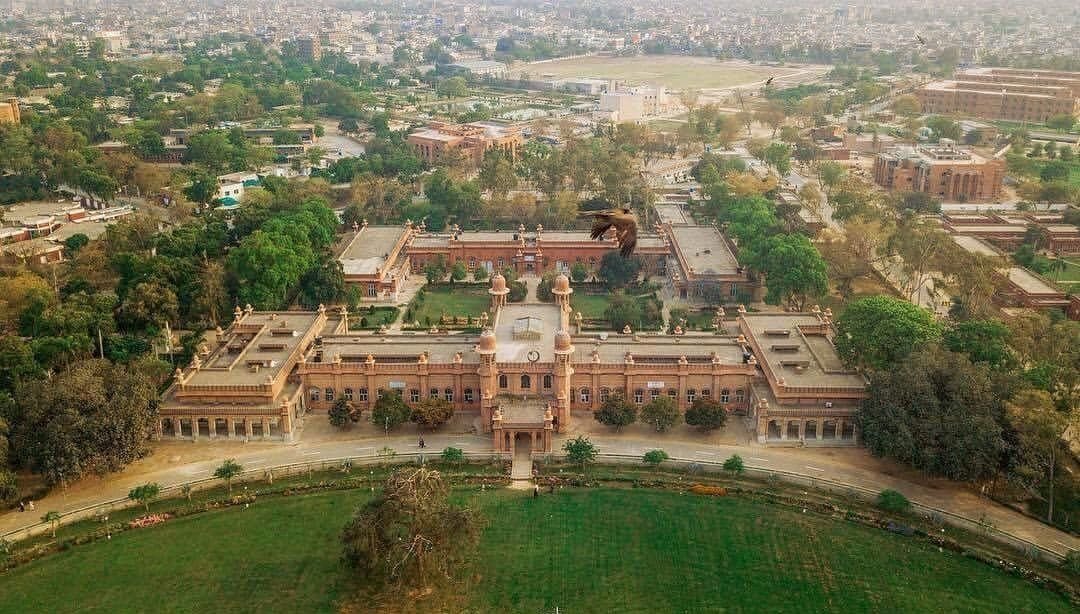
The University of Agriculture, Faisalabad (UAF) has sharply raised undergraduate fees for the 2026-27 academic session, with several popular degree programs seeing semester charges jump by more than 50% compared to the previous year — reigniting concerns over how affordable public university education remains for middle-class families.
How Much Fees Have Increased
| Program | 2025-26 First-Semester Fee | 2026-27 First-Semester Fee | Increase |
|---|---|---|---|
| B.Sc. (Hons.) Agriculture | Rs. 35,000 | Rs. 54,000 | ~54% |
| BS Biotechnology | Rs. 35,000 | Rs. 84,000 | ~140% |
| Poultry / Animal / Dairy Sciences | Rs. 44,000 | Rs. 65,000 | ~48% |
The jump isn’t limited to agriculture-specific programs — science and computing degrees such as BS Physics and BS Chemistry have also seen their first-semester fees rise under the new structure.
What a Full Degree Now Costs
The increases compound significantly once calculated across a full degree program. Under the new fee schedule, the total cost of a B.Sc. Agriculture degree now stands at Rs. 432,000, while BS Biotechnology comes in at Rs. 672,000 for the complete program — figures that mark a substantial jump from what students enrolling just a year earlier were expected to pay.
This Isn’t the First Increase
UAF’s fees have been on a steady upward trend for more than a year. The university had already raised undergraduate fees by 25–36% for the 2025-26 session, meaning this year’s hike builds directly on top of an already significant increase from the year before — compounding the financial pressure on families over two consecutive admission cycles.
Why This Is Sparking Debate
The scale of the increase has drawn visible public criticism, with the announcement circulating widely on social media alongside questions about how an average household is expected to afford a public university education at these rates. That reaction points to a broader tension: UAF, like many public-sector universities in Pakistan, has faced mounting financial pressure to become more self-sustaining, even as tuition remains one of the most direct costs families weigh against a child’s future.
For context, UAF is one of Pakistan’s largest and oldest institutions, established in 1906 and now serving roughly 35,000 students. Its scale means a fee policy shift here has an outsized impact on the broader pool of students pursuing agriculture, veterinary, and life-sciences education in the country.
What This Means for Students and Families
- Applicants for 2026-27 should budget for significantly higher per-semester costs than what may have been advertised or expected based on last year’s fee schedule
- Current students on earlier fee schedules should confirm with the university whether their fee remains locked to their year of admission or is subject to the same across-the-board increase
- Families weighing affordability should factor in that this is the second consecutive year of a major increase, and inquire early about available scholarships, need-based financial aid, and installment options through the university’s financial aid office
Final Thoughts
A 50%-plus fee increase in a single year is a significant shift for a public university that many families have historically relied on as a more affordable alternative to private institutions. With this marking the second major hike in as many years, the pressure is likely to keep the affordability of public higher education — and the adequacy of financial aid options — firmly in the national conversation heading into the new academic session.
