


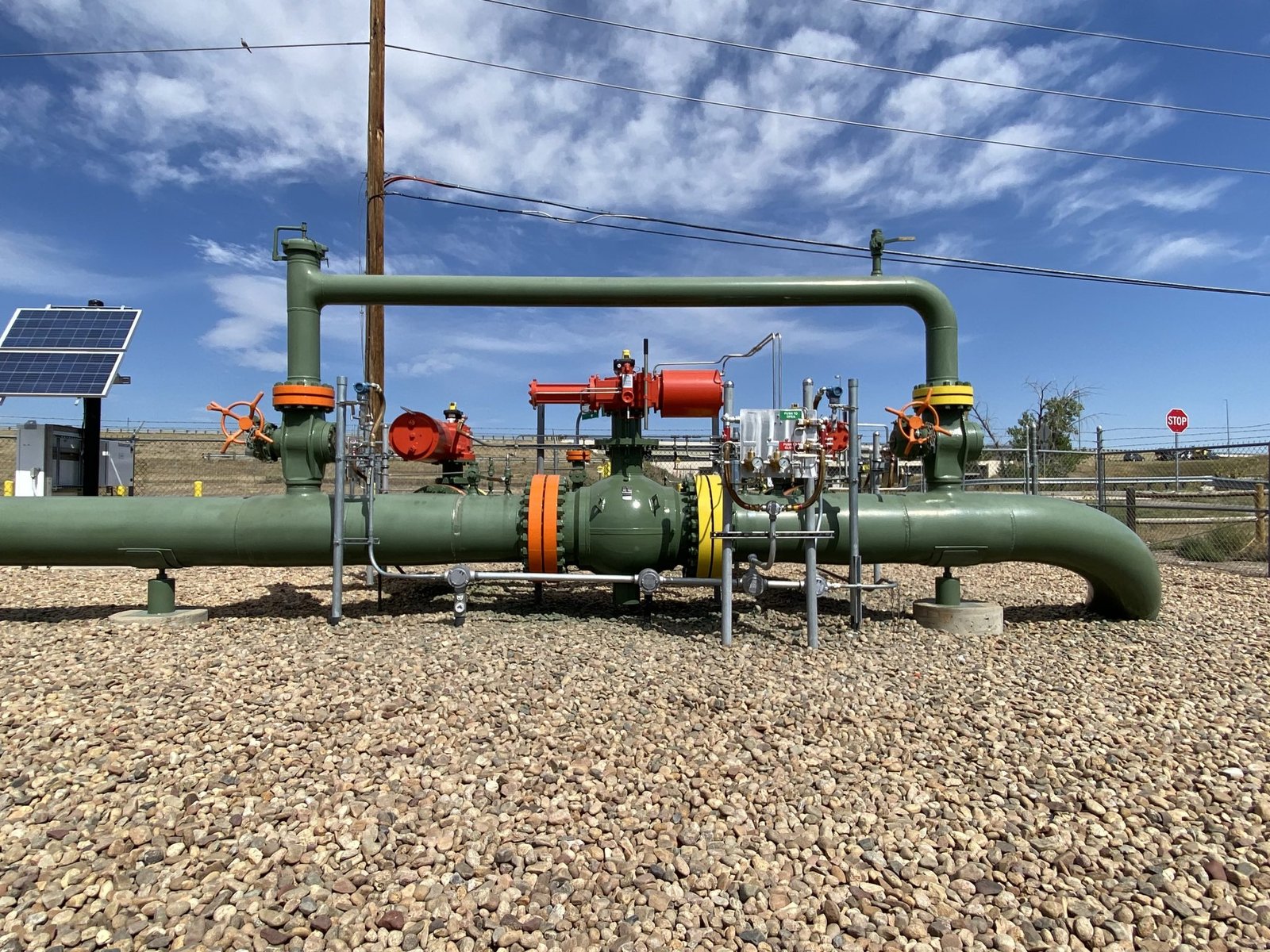
Pakistan’s gas consumers could end up footing a Rs. 46 billion bill to fund a new security force protecting pipelines and exploration sites in Khyber Pakhtunkhwa and Balochistan, as the government weighs a proposal to head off repeated sabotage attacks that have already cost the sector billions in lost gas.
What’s Being Proposed
The plan involves raising 14 dedicated security wings modeled on the framework used to protect China-Pakistan Economic Corridor (CPEC) infrastructure. Of these, four wings would cover existing pipeline protection, while ten new wings would be dedicated specifically to exploration and production activity — seismic data acquisition, drilling, wellhead facilities, and gas processing — split between Khyber Pakhtunkhwa (4 wings) and Balochistan (6 wings), where security concerns have repeatedly delayed development work.
Breaking Down the Rs. 46 Billion Cost
| Component | Estimated Cost |
|---|---|
| Additional pipeline-protection wings (net, after adjusting existing two wings) | Rs. 8.969 billion, plus Rs. 2 billion annual recurring cost |
| 10 new exploration & production security wings | Rs. 30 billion total (Rs. 12 billion for KP, Rs. 18 billion for Balochistan) |
| Total estimated cost | ~Rs. 46 billion |
Why This Is Being Proposed Now
The push for dedicated security funding follows roughly 23 sabotage incidents over the past two years targeting the Shewa and Bettani pipelines and Sui Northern Gas Pipelines Limited’s (SNGPL) main northern network. According to the government’s own estimates, these attacks caused the loss of 7,624 million cubic feet of gas — equivalent to roughly 25 LNG cargoes — with the financial damage estimated at Rs. 12.7 billion using local gas pricing (~$6/mmBtu), or as high as Rs. 27.7 billion when valued at RLNG import prices (~$13/mmBtu).
The proposal also points to a longer-term strategic concern: recent gas discoveries in Khyber Pakhtunkhwa — including Mami Khel, Shewa, and Spinwam in the Waziristan Block, OGDC’s Bettani find, and Al-Haj’s Koi Palak discovery — represent important additions to Pakistan’s domestic gas supply, but security risks in the region continue to delay the field development needed to actually connect these discoveries to the national gas grid.
The Bigger Risk: What Happens Without This Investment
The government’s underlying argument is that the security spending is cheap compared to the alternative. If northern gas supplies were fully suspended due to continued attacks, SNGPL would need to rely much more heavily on expensive imported RLNG to meet consumer demand — a shift the government estimates would add Rs. 97 billion to SNGPL’s annual revenue requirement. That, in turn, would push the utility’s prescribed gas price up by roughly Rs. 333 per mmBtu, from the current Rs. 1,719/mmBtu to around Rs. 2,052/mmBtu for the current financial year.
Framed that way, the Rs. 46 billion security proposal is roughly half the cost of the Rs. 97 billion hit consumers could otherwise face from a full supply disruption — the core justification officials are using to support the spending, even though it means an additional charge on the same consumer base.
Context: A Sector Already Under Financial Strain
This proposal lands at a difficult moment for Pakistan’s gas sector. The sector’s circular debt has climbed to roughly Rs. 3.2–3.6 trillion in recent reporting, driven in large part by a sharp rise in late payment surcharges, with the government already pursuing a separate debt-clearance plan involving dividends from state-owned oil and gas companies and a petroleum development levy. Adding a new Rs. 46 billion consumer-funded security cost comes on top of that existing financial pressure, even though it’s aimed at preventing a larger cost down the line.
What This Means for Consumers
If approved, the security plan’s cost would most likely be passed on to gas consumers through their utility bills, similar to how other infrastructure and recovery costs are typically built into SNGPL and Sui Southern’s prescribed pricing. The government’s framing suggests this is intended as a preventive cost rather than a reactive one — paying now to avoid a larger, forced RLNG-driven price increase later, should attacks succeed in cutting off northern gas supplies entirely.
Final Thoughts
Whether or not the full Rs. 46 billion plan is approved, the underlying numbers illustrate a genuine trade-off facing Pakistan’s gas sector: continued underinvestment in pipeline and field security carries a real, quantified cost in lost gas and delayed development, while the security spending itself represents a new charge on consumers already absorbing a heavily indebted gas sector. How the Economic Coordination Committee and relevant authorities weigh that trade-off will determine whether this 14-wing security framework moves from proposal to reality.
