


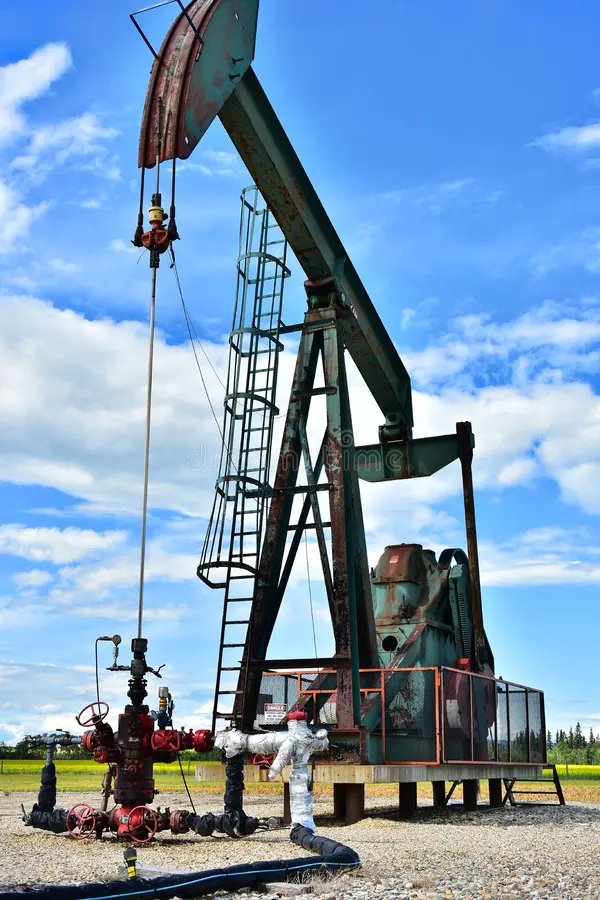
Oil is closing in on $100 a barrel for the first time since July, as a fresh wave of attacks across the Middle East stokes fears that the region’s energy supplies could face serious disruption.
The Numbers
| Benchmark | Price | Move |
|---|---|---|
| Brent Crude | ~$99.33/barrel | +1.4% |
| US WTI Crude | ~$94.34/barrel | +1.4% |
This marks oil’s fourth straight session of gains, and prices are now up roughly 25% since early August alone — a sharp climb driven by fading hopes that the six-month-old regional conflict would reach a lasting resolution, and by fresh fighting flaring up instead.
What’s Driving the Latest Spike
The immediate trigger was a sharp escalation on Tuesday: Iran-backed Houthi forces in Yemen launched attacks on several Saudi cities, pulling Saudi Arabia — one of the world’s largest oil producers — more directly into the conflict. At the same time, US forces struck multiple Iranian oil tankers, while Iran carried out attacks on a US base in Jordan and on shipping in the region.
Adding to the pressure, Iran renewed attacks on the United Arab Emirates on Tuesday, which reportedly caused oil loading operations at the port of Fujairah — an important regional export and bunkering hub — to be at least partially halted following the third such attack in four days.
Why Markets Are Reacting So Strongly
Oil prices are especially sensitive to Middle East instability because the region accounts for such a large share of global crude production and shipping routes. When ports, tankers, or major producers like Saudi Arabia and the UAE come under direct threat, traders price in the risk of real supply disruption — not just short-term uncertainty. That’s why a single day of renewed strikes can move Brent crude by more than a dollar in early trading, even before any actual barrels stop flowing.
The Bigger Trend: A Quarter Higher Since August
This week’s move isn’t an isolated spike — it’s part of a sustained climb. Brent crude’s roughly 25% rise since early August reflects a market that had been pricing in some chance of de-escalation over the summer, only to see that hope erode as fighting resumed and widened to pull in more regional players, including Saudi Arabia and the UAE, who had largely stayed on the sidelines of direct combat until recently.
What This Means Beyond the Middle East
- For fuel prices globally: Sustained crude prices near $100 a barrel typically filter through to higher pump prices within weeks, particularly in countries that import most of their oil
- For inflation: Higher energy costs tend to feed into broader inflation figures, complicating central banks’ efforts to manage interest rates
- For shipping and trade: Disruptions at hubs like Fujairah, and the broader risk to Strait of Hormuz traffic, raise costs and delays for global shipping routes that rely on the region
Final Thoughts
Oil’s approach toward $100 a barrel reflects a market bracing for a wider and more prolonged Middle East conflict, rather than reacting to a single, contained event. With Saudi Arabia and the UAE now facing direct attacks and no clear diplomatic breakthrough in sight, the key question for global markets isn’t just whether oil crosses $100 — it’s whether the current trajectory of escalation continues, which would likely keep pushing prices higher still.
