


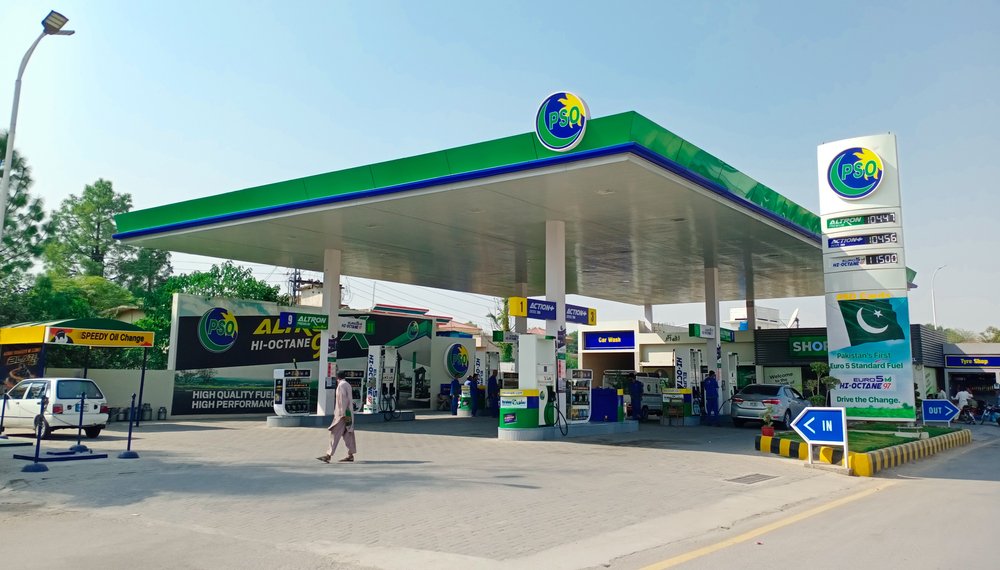
The government has cut petrol and high-speed diesel prices, bringing a small bit of relief at the pump starting Wednesday. Here’s the full breakdown.
New Prices
| Fuel | New Price (per litre) | Change |
|---|---|---|
| Petrol | Rs. 392.66 | Down Rs. 2.71 |
| High-Speed Diesel (HSD) | Rs. 396.82 | Down Re. 0.03 |
The Petroleum Division announced the cut on Tuesday, October 13, with the new prices taking effect from Wednesday, October 14.
How Much of the Price Is Tax
A significant portion of what you pay at the pump goes toward government taxes and duties:
- Petrol: Rs. 114 per litre in taxes and duties
- High-Speed Diesel: Rs. 100 per litre in taxes and duties
Why Prices Keep Moving
Pakistan’s fuel prices have been unusually volatile over the past several months, largely tied to the ongoing conflict in the Middle East and swings in international oil markets. For context on just how sharp the swings have been:
- HSD rose from around Rs. 281 per litre when the US-Iran war began on February 28, peaking at Rs. 520.35 per litre by April 3.
- Petrol rose from around Rs. 266 per litre in early March, peaking at Rs. 458.41 per litre by April 3.
Against that backdrop, this week’s modest cut brings prices well down from their April peaks, though still significantly above where they stood before the conflict began.
Daily Pricing Is Now the Norm
This isn’t a one-off adjustment. Petroleum Minister Ali Pervaiz Malik announced in July that, because of how much international prices have been fluctuating, the cabinet and prime minister decided fuel prices would be set daily rather than on the usual fortnightly cycle. The Oil and Gas Regulatory Authority (Ogra) is now responsible for adjusting prices based on international market trends in real time.
Other Relief Measures in Place
- In September, PM Shehbaz Sharif announced a relief scheme specifically for motorcycle, auto-rickshaw, and small vehicle users (engines up to 800cc), aimed at easing the burden of rising global oil prices on lower-income commuters.
- As part of broader austerity measures tied to the fuel situation, markets have been directed to close by 9pm, and fuel allocations for official government vehicles have been cut by 50% for three months.
Where the Revenue Comes From
Petrol and HSD remain by far Pakistan’s largest fuel revenue earners, with monthly sales of roughly 700,000 to 800,000 tonnes each. Kerosene, by comparison, sees monthly demand of only around 10,000 tonnes.
Frequently Asked Questions
When do the new fuel prices take effect?
From Wednesday, October 14, 2026, per the Petroleum Division’s notification.
Why are fuel prices now adjusted daily instead of every two weeks?
Because of how sharply international oil prices have been fluctuating amid the ongoing Middle East conflict, the government shifted to daily price-setting in July, with Ogra handling the adjustments.
How much have prices come down from their peak?
Petrol has dropped from its April peak of Rs. 458.41 per litre to Rs. 392.66, and HSD has dropped from Rs. 520.35 to Rs. 396.82 — though both remain well above pre-conflict levels.
Is there any relief for small vehicle owners specifically?
Yes. A relief scheme announced in September targets motorcycle, auto-rickshaw, and vehicle owners with engines up to 800cc.
With daily pricing now the norm and the regional conflict still unresolved, don’t be surprised if petrol and diesel prices continue shifting — sometimes up, sometimes down — in the weeks ahead.
