


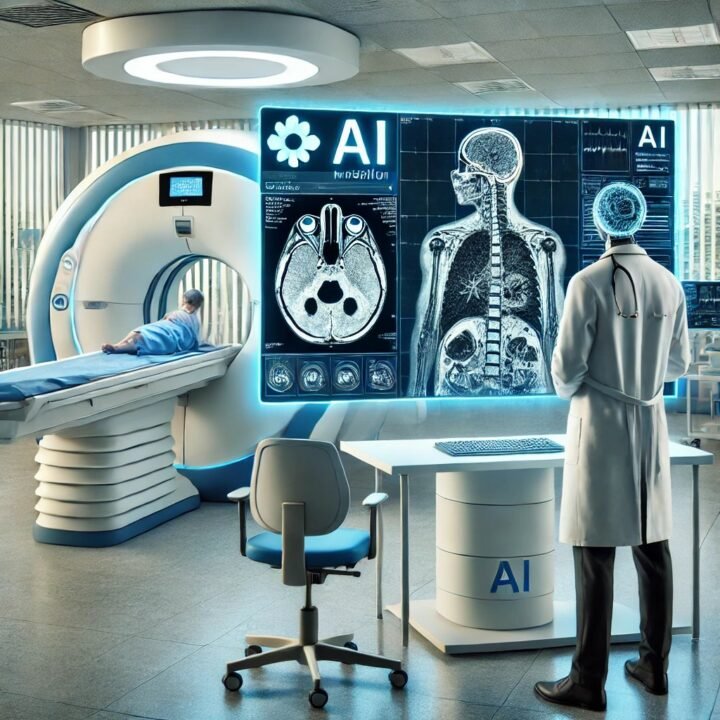
Medicine in 2026 looks almost nothing like it did just five years ago. Artificial intelligence is catching diseases doctors used to miss, gene editing is curing conditions once considered permanent, and wearable devices are turning ordinary smartwatches into round-the-clock health monitors. This roundup of groundbreaking health technology in 2026 covers the innovations actually reaching patients this year — not distant lab experiments, but tools already changing how care is delivered.
<!– –>
AI Diagnostics: Catching Disease Before Symptoms Appear
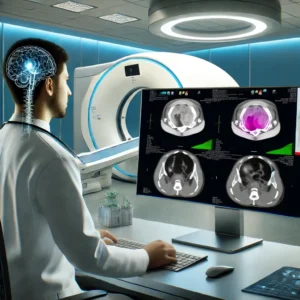
Artificial intelligence has moved from an experimental add-on to core clinical infrastructure in 2026. AI diagnostic tools now analyze CT scans, MRIs, and ECGs with striking accuracy — identifying breast cancer with up to 94% accuracy and predicting heart failure as much as 20 minutes before it becomes clinically apparent, giving medical teams a genuine head start on intervention. Rather than replacing doctors, these systems are shifting radiologists’ time away from routine scan review and toward direct patient care, with AI handling the first pass of pattern recognition and flagging anything unusual for human review.
Conversational AI is also increasingly becoming a patient’s first point of contact with the healthcare system, helping triage symptoms and answer routine questions before a human clinician gets involved — part of a broader shift toward extending care beyond the hospital and easing the burden on overstretched staff.
CRISPR Gene Editing: From Experimental to Curative
Gene editing has reached a genuinely remarkable milestone in 2026. CRISPR-Cas9 based therapies are now being used to directly edit the genetic mutations behind conditions like sickle cell anemia and beta-thalassemia, with reported cure rates as high as 92% in treated patients. These aren’t symptom-management treatments — they aim to correct the underlying genetic cause, turning what were once lifelong, chronic conditions into something that can potentially be resolved with a single course of treatment.
AI is playing an increasingly important supporting role here too, acting as a kind of copilot for gene-editing research by helping scientists design and test genetic edits faster and more safely than manual lab methods alone would allow.
Wearables and Continuous Monitoring
The humble smartwatch has evolved into a genuine medical device. Modern wearables now connect through the Internet of Things to continuously stream health data — heart rhythm, oxygen levels, sleep patterns, and more — directly to patients and their healthcare providers, enabling real-time alerts when something looks off and allowing far more personalized treatment plans than periodic in-office checkups ever could.
One of the most anticipated developments for 2026 is the continued rollout of needle-free glucose monitoring: skin-surface biosensors that track insulin and blood sugar levels without requiring a single blood draw. For the estimated 10% of adults worldwide living with diabetes, this shift away from constant finger-prick testing represents a meaningful quality-of-life improvement, not just a convenience upgrade.
3D-Printed, Patient-Specific Implants
3D printing has opened up an entirely new category of personalized medicine. Surgeons can now design implants and prosthetics tailored to a specific patient’s exact anatomy, improving fit, comfort, and recovery time compared to standardized, one-size-fits-most devices. The same technology is also being used to print detailed anatomical models ahead of complex surgeries, letting surgical teams rehearse a procedure on an accurate physical replica before ever making an incision.
Robotics in Surgery and Patient Care
Robotic systems are becoming a familiar sight in hospitals well beyond the operating room. Surgical robots continue to enable more precise, less invasive procedures with shorter recovery windows, while caregiving robots are already being deployed to support aging populations in countries like Japan and South Korea — handling routine tasks and freeing up human staff for higher-touch care. This shift matters most in healthcare systems facing chronic staffing shortages, where technology is increasingly treated not as an optional upgrade but as a practical necessity for keeping up with an aging global population.
Faster Stroke and Blood Clot Treatment
One of the more quietly significant advances in 2026 involves treating blood clots in the brain and lungs. New micro-catheter and neurovascular stent retriever technology allows doctors to thread microscopic devices through the bloodstream to physically remove a clot, restoring normal blood flow far more effectively than older clot-busting medications alone. Since brain clots typically need to be cleared within a narrow 2 to 7 hour window to prevent lasting damage, this kind of precision intervention can be the difference between a full recovery and permanent disability.
Why This Wave of Innovation Matters
What ties all of these advances together is a shift from reactive to proactive medicine. Instead of treating disease after it’s already advanced, 2026’s health technology is increasingly built to catch problems earlier, personalize treatment to the individual, and extend quality care to people who previously had limited access to it — whether that’s through remote monitoring, telemedicine, or AI-assisted diagnostics reaching underserved regions that lack specialist doctors nearby.
Frequently Asked Questions
How accurate is AI at detecting diseases like cancer?
Current AI diagnostic tools have demonstrated up to 94% accuracy in detecting breast cancer from imaging data, though these tools are designed to support radiologists rather than replace their final clinical judgment.
Is CRISPR gene editing already curing diseases in 2026?
Yes, in specific cases. CRISPR-based therapies for genetic blood disorders like sickle cell anemia and beta-thalassemia have shown cure rates as high as 92% in treated patients, marking a major shift from symptom management to addressing the underlying genetic cause.
What is needle-free glucose monitoring?
It’s a skin-surface biosensor technology that tracks blood sugar and insulin levels continuously without requiring blood draws, offering a major quality-of-life improvement for people managing diabetes.
Are surgical robots widely used in hospitals now?
Robotic-assisted surgery is increasingly common in 2026, particularly for minimally invasive procedures, and robots are also being used in non-surgical hospital roles like caregiving support for aging populations.
From AI catching disease earlier to gene editing that addresses root causes rather than symptoms, 2026 is shaping up to be a genuine turning point in how medicine works — proactive, personalized, and increasingly powered by technology working alongside, not instead of, human doctors.
