
The UK’s National Health Service (NHS) has launched the world’s largest trial to find out whether artificial intelligence (AI) can help detect breast cancer earlier.
The major study will involve nearly 700,000 women across the United Kingdom and test whether AI technology can help doctors identify signs of breast cancer in medical scans.
The trial, known as EDITH, will run at 30 breast screening locations across the country. The first women have already started joining the study in Cambridgeshire.
The project aims to improve early cancer detection, reduce pressure on doctors and help patients receive their diagnoses more quickly.
However, researchers first need to establish whether AI can do this safely and accurately.
What Is the NHS AI Breast Cancer Trial?
The EDITH trial stands for Early Detection using Information Technology in Health.
It is a major research project supported by the UK’s National Institute for Health and Care Research (NIHR).
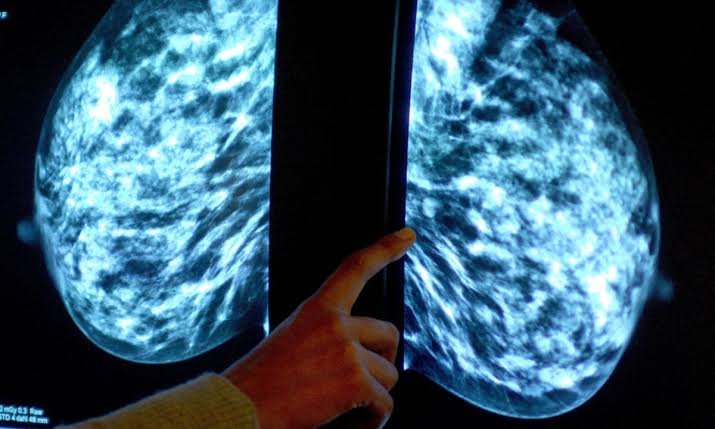
The study will examine how AI can help specialists review mammograms, which are X-ray images of the breast used to look for early signs of cancer.
Currently, two specialist radiologists usually examine each mammogram under the NHS breast screening programme.
In the new trial, AI technology will take part in the image-review process, potentially replacing one of the two human reviewers in the study.
Every mammogram will still be checked by at least one human specialist.
Researchers want to discover whether AI can identify small changes in breast tissue that might otherwise be missed.
How Will AI Help Detect Breast Cancer?
AI systems can examine medical images and identify patterns that may indicate a health problem.
In breast cancer screening, the technology will analyse mammograms and look for unusual areas that may require further investigation.
Researchers will test different ways of using AI alongside human specialists.
The technology could help doctors:
- Identify possible signs of breast cancer in mammograms.
- Highlight unusual areas that need closer examination.
- Detect some cancers that may be difficult to spot.
- Review screening images more efficiently.
- Reduce the workload of specialist radiologists.
The aim is not to allow AI to make final medical decisions independently. Human specialists will remain responsible for clinical decisions.
Nearly 700,000 Women to Take Part
One of the most important features of the EDITH trial is its size.
Nearly 700,000 women are expected to take part across 30 NHS breast screening sites.
The first location is Cambridgeshire, where recruitment has already started.
The study will run for approximately three years, giving researchers time to examine how AI performs across a large number of breast screening cases.
Women aged 50 to 71 are normally invited for routine breast screening in the UK every three years.
Eligible women will receive information about the research when they receive their screening invitations. They will also be given details about how to opt out if they do not wish to participate.
Why Does the NHS Want to Use AI for Breast Cancer Screening?
Breast cancer is one of the most common cancers among women in the United Kingdom.
Around 59,000 cases are diagnosed each year.
Early detection is important because treatment can be more effective when cancer is found before it spreads.
However, reviewing millions of mammograms every year requires a large number of trained medical professionals.
The NHS also faces a shortage of specialist radiologists.
AI could help reduce the time doctors spend reviewing normal screening images and allow them to focus more on patients who need further tests or treatment.
The technology may also help reduce waiting times for patients.
Can AI Find Cancer Better Than Doctors?
This is one of the main questions the EDITH trial aims to answer.
Previous smaller studies have suggested that AI can help identify signs of breast cancer in medical images.
However, researchers need stronger evidence before introducing the technology into routine NHS screening.
AI can sometimes identify suspicious areas that do not turn out to be cancer. This could lead to unnecessary appointments, additional tests and anxiety for patients.
Researchers will therefore examine both the benefits and possible risks.
The study will assess whether AI can improve cancer detection without causing unnecessary recalls or overdiagnosis.
Will AI Replace Doctors in Breast Cancer Screening?
No. The NHS is not planning to remove human specialists from breast cancer screening through this trial.
Instead, AI will be tested as an additional tool to support medical professionals.
Every mammogram in the study will still be reviewed by at least one human radiologist.
Doctors will continue to make clinical decisions, including whether patients need additional tests or treatment.
The NHS will only consider changing its normal screening process if the research provides strong evidence that AI is safe and effective.
How Much Is the NHS Investing in the Trial?
The EDITH trial has received around £10 million in funding through the National Institute for Health and Care Research.
The project brings together researchers from the University of Cambridge, the University of Warwick and Cambridge University Hospitals NHS Foundation Trust, working with NHS England.
The research is also part of wider efforts to use modern technology to improve healthcare services in the United Kingdom.
Could AI Change the Future of Cancer Treatment?
If the trial is successful, AI could become an important tool in breast cancer screening.
It may help medical professionals review more scans, identify suspicious changes and spend additional time caring for patients.
The findings could also help researchers understand how AI can be safely used in other areas of medical diagnosis.
However, the technology must prove that it can improve patient care without creating additional risks.
The results of the three-year study will help the NHS decide whether AI-assisted breast screening should become part of routine healthcare.
Frequently Asked Questions (FAQs)
What is the NHS EDITH trial?
EDITH is a major UK research project testing whether artificial intelligence can help specialists detect breast cancer earlier by reviewing mammogram images.
How many women will participate in the trial?
Nearly 700,000 women are expected to take part at 30 breast screening locations across the UK.
Will AI replace doctors in breast cancer screening?
No. At least one human radiologist will continue to review every mammogram, and medical professionals will remain responsible for clinical decisions.
How long will the AI breast cancer trial last?
The EDITH trial is expected to run for approximately three years.
Can AI detect breast cancer earlier than humans?
Researchers hope AI can identify small or unusual changes in mammograms that might otherwise be missed. The trial will test whether it can improve early detection safely.
Is the NHS already using AI for all breast cancer screenings?
No. AI is being tested as part of the EDITH research project. The NHS will consider wider use only after evaluating the results.
Final Words
The launch of the EDITH trial marks an important step in testing artificial intelligence in healthcare.
With nearly 700,000 women expected to participate, researchers will examine whether AI can help identify breast cancer earlier, reduce doctors’ workloads and improve screening services.
The results could influence how breast cancer is detected and diagnosed in the future. However, human medical professionals will remain central to patient care while the technology is being tested.
