


Here is your Pakistan health news today, for Wednesday, October 14, 2026. Three stories matter most right now: a sixth polio case, rising dengue cases in the twin cities, and a new national plan for mental health. Below are the facts, what they mean, and simple steps you can take to protect your family.
Health Snapshot
| Issue | Latest Update |
|---|---|
| Polio | 6 wild polio cases in 2026 so far, up from 5 in late September |
| Dengue (Rawalpindi) | 53 confirmed cases this season, with no deaths reported |
| Mental health | About 32.4 million people are estimated to need care; a new policy runs from 2026 to 2035 |
1. Pakistan Confirms Its Sixth Polio Case of 2026
Pakistan’s National Emergency Operations Centre (NEOC) for polio eradication confirmed the sixth wild polio case of the year in early October. The child is a seven-year-old boy from Khyber district in Khyber Pakhtunkhwa (KP). It comes less than a week after the fifth case, a 17-month-old girl from Bannu, was reported on September 29.
Five of the six cases this year are from KP, and four of those are in the south of the province. Pakistan reported 74 cases in 2024 and 31 in 2025, so this year’s number is much lower. However, the virus is still being found in sewage samples. The global polio programme reported eight positive environmental samples in a recent weekly update, collected in September from KP, Sindh, and Punjab.
What authorities are doing:
- Investigating the new case and planning extra vaccination in high-risk areas
- Using both oral and injectable polio vaccines
- Strengthening routine immunization
Pakistan has held four large national campaigns this year, protecting more than 45 million children. A September campaign alone reached more than 28 million. Still, security problems in parts of KP and Balochistan, including attacks on polio teams, make it hard to reach every child.
2. Dengue Cases Are Rising in Rawalpindi
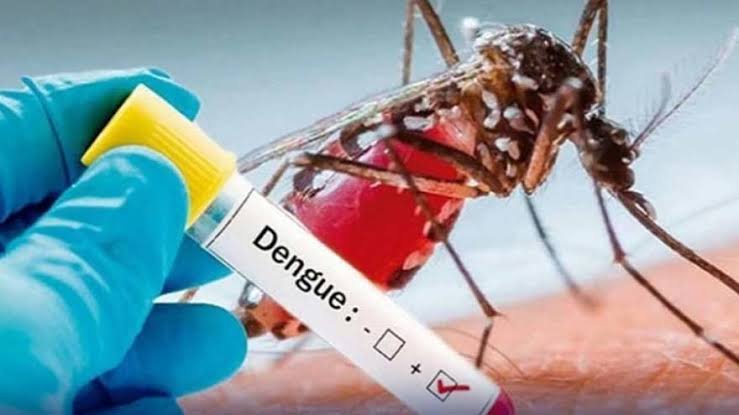
Dengue season is at its peak. Rawalpindi’s District Health Authority reported 53 confirmed dengue cases this season, with zero deaths and 14 patients in hospital. That is up from 40 confirmed cases on October 5. Officials have screened more than 5,400 people this year and found about 5,000 suspected cases.
Mosquito larvae were found at nearly 218,000 locations. To control the spread, authorities have registered 2,798 cases against violators, sealed 686 premises, and collected over Rs. 3 million in fines.
Other cities are also acting. In Faisalabad, the District Emergency Response Committee for Dengue Control met on Tuesday to review hotspots and surveillance. The Additional Deputy Commissioner ordered departments to monitor hotspots closely and find possible larvae breeding sites.
How to Protect Your Family From Dengue
- Remove standing water from buckets, tyres, flower pots, coolers, and rooftops every few days.
- Cover water tanks and storage containers.
- Use mosquito repellent and wear long sleeves, especially in the morning and evening.
- Use window screens or mosquito nets.
- If you have a high fever, severe headache, or pain behind the eyes, see a doctor and get tested.
- Ask a doctor before taking painkillers. Doctors often advise against aspirin and ibuprofen when dengue is possible.
3. Doctors Push for Better Mental Healthcare
Health experts are calling for easier access to mental healthcare. An estimated 32.4 million people in Pakistan need mental health support. A shortage of trained professionals makes this harder.
An official of the Ministry of National Health Services said the government has launched the National Mental Health Policy 2026-2035. A mental health summit in Islamabad on October 1 and 2 brought together about 800 experts, policymakers, academics, and development partners. Speakers focused on practical steps toward the global Comprehensive Mental Health Action Plan 2030, and some described mental health as an emergency in Pakistan.
Clinical psychologist Dr. Faiza Tasleem said patients’ dignity, privacy, and real-life experiences must stay at the centre of any programme. Experts also said care should reach people beyond hospitals and specialist institutions.
If you or someone you know is struggling, talk to a trusted person or a doctor, and contact local emergency services if there is immediate danger.
What You Can Do This Week
- Vaccinate every child. Give polio drops at every campaign, and check that routine vaccinations are up to date.
- Clean up water. Check your home for standing water twice a week.
- Know the warning signs. High fever, severe body pain, vomiting, or bleeding need quick medical attention.
- Look after your mind. Rest, talk to someone you trust, and seek professional help when needed.
Frequently Asked Questions
How many polio cases has Pakistan reported in 2026?
Six so far, with five in Khyber Pakhtunkhwa. In 2025 there were 31 cases, and in 2024 there were 74.
Is dengue spreading in Pakistan right now?
Yes. Rawalpindi has 53 confirmed cases this season with no deaths, and other cities are stepping up control measures.
When is dengue season in Pakistan?
Cases usually rise after the monsoon, from September and through October and November, when mosquito breeding is high.
What is Pakistan’s new mental health policy?
It is the National Mental Health Policy 2026-2035, launched by the government to expand care for people who need it.
How many people in Pakistan need mental healthcare?
An estimated 32.4 million people, according to health experts quoted this week.
Pakistan’s health picture today has progress and risk side by side. Polio cases are far lower than in 2024, but new cases show the job is not done. Dengue calls for careful prevention at home, and the new mental health policy offers hope for millions who need support.
