


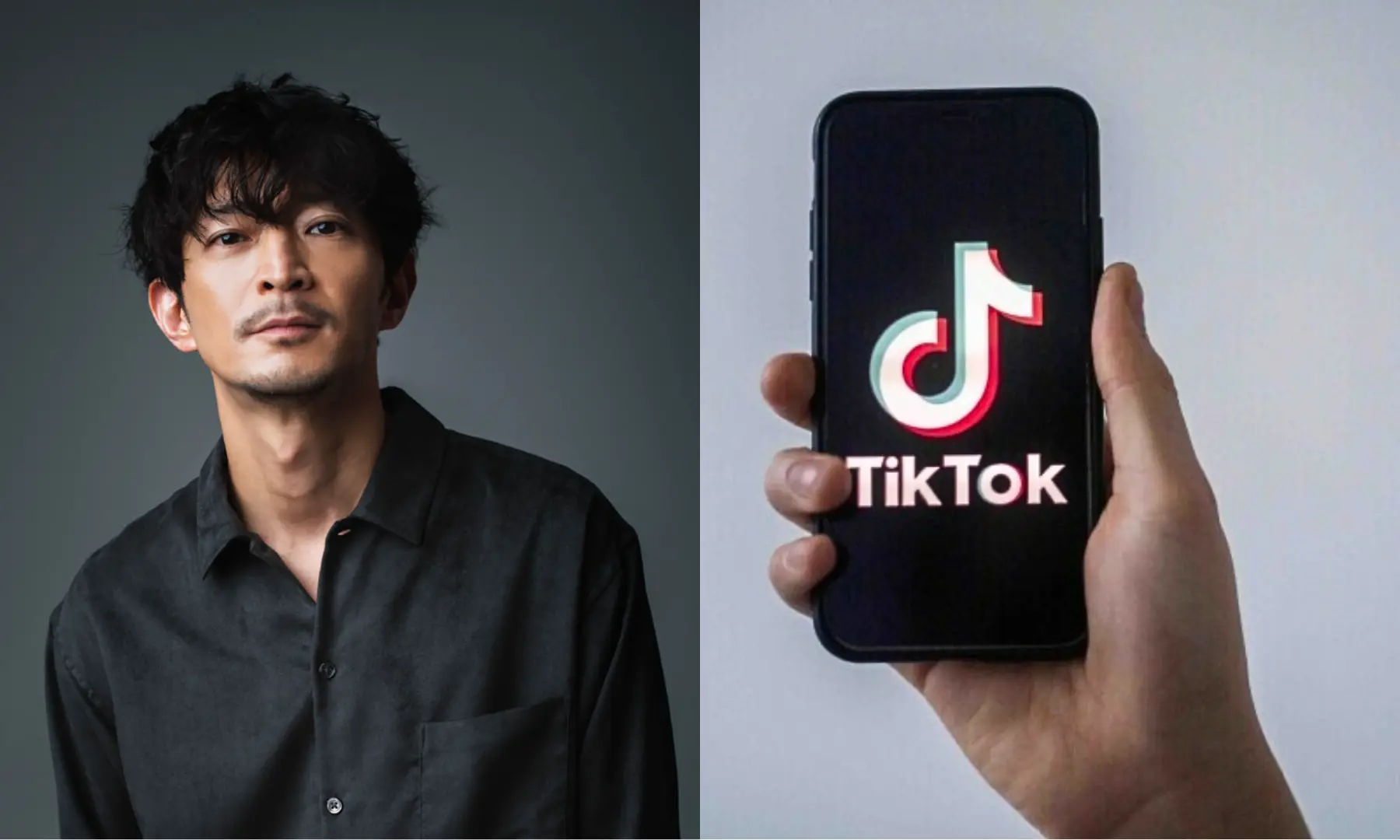
The Kenjiro Tsuda TikTok lawsuit is shaping up to be one of the most important legal tests of AI voice cloning in Japan. Tsuda, the voice actor behind Kento Nanami in Jujutsu Kaisen, says an AI copy of his voice was used to build a monetized TikTok channel without his consent. A Tokyo court is expected to deliver its verdict on Wednesday, September 30, 2026. Here is what happened, what each side argues, and why the outcome matters far beyond anime.
Who Is Kenjiro Tsuda?
Kenjiro Tsuda is a 55-year-old Japanese actor and one of the best-known names in anime voice acting. Fans know him for several major roles:
- Kento Nanami in Jujutsu Kaisen
- Seto Kaiba in Yu-Gi-Oh!
- Kishibe in Chainsaw Man
His deep, smooth baritone is instantly recognizable, and that is exactly why this case has drawn so much attention.
What Is the Kenjiro Tsuda TikTok Lawsuit About?
Tsuda sued the company behind TikTok in the Tokyo District Court in November 2025. He wants the court to order the removal of videos narrated by a voice he says is an AI imitation of his own. Reports describe at least 188 videos posted by one anonymous account. They covered urban legends, occult topics, and conspiracy theories.
According to court records cited by AFP, the account once had more than 200,000 subscribers. The legal complaint estimates it earned upwards of 500,000 yen (around $3,200) per month. Tsuda’s lawyers argue the channel had little original substance, and that it grew mainly because a famous actor’s voice narrated it.
This is believed to be the first case in Japan where an individual is trying to protect their vocal identity against AI-generated copies.
Legal Grounds: Publicity Rights and Unfair Competition
Tsuda’s legal team relies on two main arguments:
- Publicity rights: the right to control and profit from your own identity, such as your name, likeness, or voice.
- Japan’s Unfair Competition Prevention Law: the claim that the account free-rode on a well-known brand and voice.
TikTok’s Defense
TikTok rejects the claim. Its lawyers say the narration is a generic male voice, and that any resemblance to Tsuda is a matter of personal perception. The platform also questions whether Tsuda is famous enough nationally to qualify under the unfair competition law.
In addition, TikTok argues it only provides a forum where users post content under free speech, rather than creating the videos itself. Therefore, the court must decide whether the platform is responsible for deleting the posts. Notably, the account itself is no longer visible on TikTok.
Does Japan Legally Protect a Person’s Voice?
No Japanese law explicitly names voice as a protected right. However, the situation is changing. Last month, Japan’s justice ministry published non-binding guidelines that treat a person’s voice as a symbol of their personality. Under those guidelines, a voice falls under existing publicity rights and the right to prevent unauthorized use of one’s likeness.
These guidelines are not law, so it remains unclear how much weight the court will give them. Legal experts also expect the case to be difficult. Tatsuhiro Ueno, a professor of intellectual property at Waseda University, said it is very unlikely that Tsuda’s voice would be denied publicity rights outright. He also expects the verdict to draw strong international interest.
Industry Reaction: Japan’s Voice Actors Push Back
The Japan Actors Union has publicly backed Tsuda. Its executive director, Yuko Sasaki, points out that a professional voice takes years of training and money to build, and she wants the court to recognize voice ownership as a fundamental right.
Meanwhile, voice actors have launched a campaign called “No More” against using generative AI to copy performers without permission. Actor Bin Shimada warned that a win for TikTok could open the door to unchecked voice cloning and make younger actors lose hope. On the other hand, 83-year-old veteran Michihiro Ikemizu believes AI can never match a human performer’s ability to feel and adapt in the moment.
Why This Case Matters Worldwide
AI voice imitation is a growing concern for performers everywhere. The International Federation of Actors has warned that copyright and data protection laws in many countries have not kept up. One well-known example came in 2024, when OpenAI apologized to Scarlett Johansson over a synthetic voice that sounded like hers.
A ruling in Tsuda’s favor could:
- Strengthen voice-based publicity rights in Japan
- Push platforms to remove suspected AI voice clones faster
- Inspire similar lawsuits across other countries
A ruling for TikTok, however, could weaken the position of performers and encourage more unauthorized voice cloning on social media.
Frequently Asked Questions
When will the Kenjiro Tsuda TikTok verdict be announced?
The Tokyo District Court is expected to give its ruling on Wednesday, September 30, 2026.
Why did Kenjiro Tsuda sue TikTok?
He says an anonymous account used an AI clone of his voice to narrate videos and earn money without his permission. He wants those videos removed.
Is this the first AI voice lawsuit in Japan?
It is believed to be the first case in Japan where an individual seeks to defend their vocal identity against AI-generated copies.
What does TikTok say about the case?
TikTok argues the narration is a generic male voice, that any similarity is subjective, and that it merely hosts user content.
Is a person’s voice protected by law in Japan?
Not explicitly. Still, recent non-binding justice ministry guidelines say voice is covered by existing publicity and likeness rights.
Whatever the court decides, this case has already pushed the debate on AI voice cloning into the mainstream. We will see on September 30 whether Japanese law is ready to protect the human voice in the age of generative AI.
