


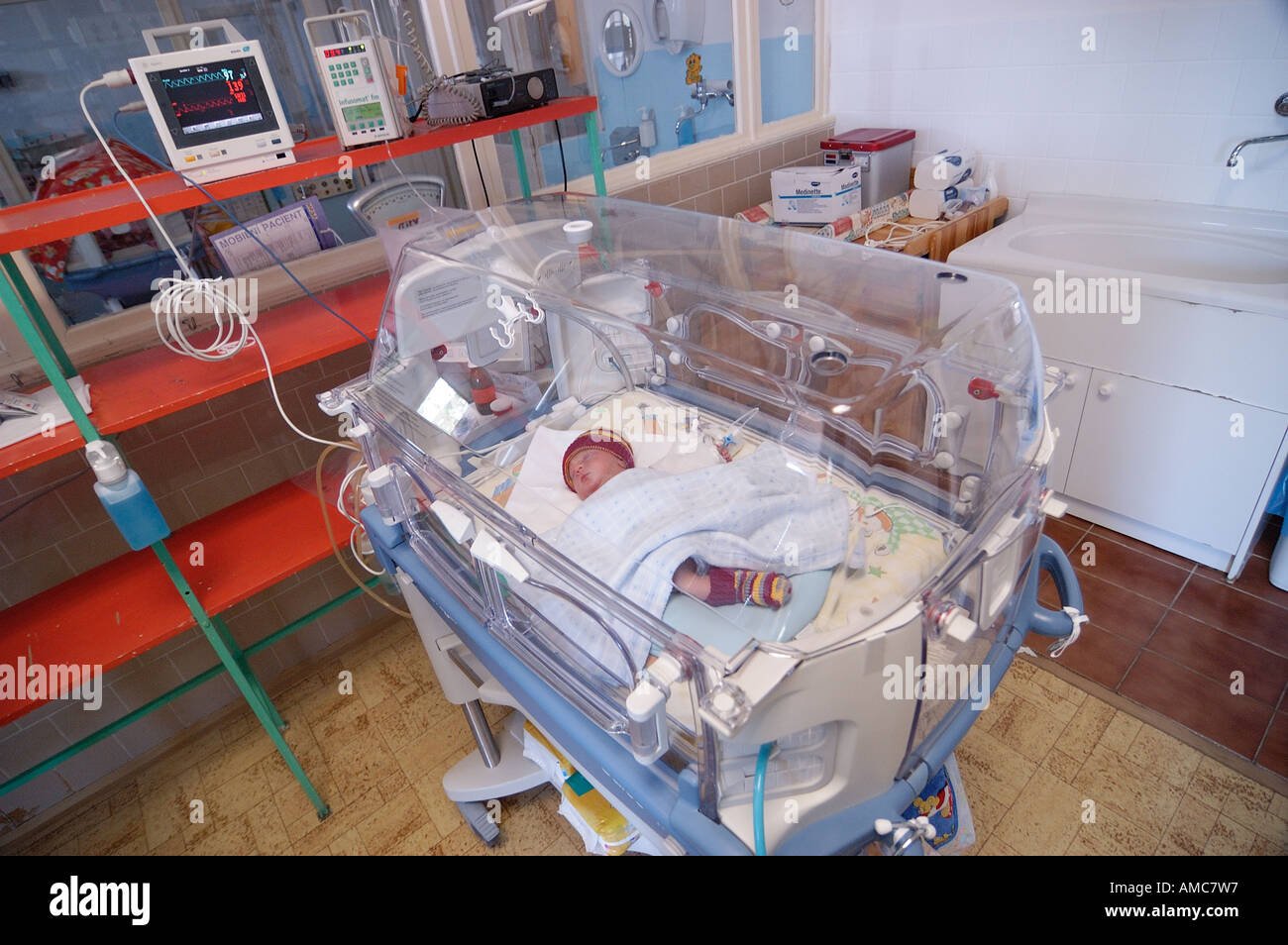
Nearly a million babies are born prematurely in Pakistan every year — and doctors say a largely preventable eye condition is quietly stealing the sight of hundreds of thousands of them before anyone notices something is wrong. Retinopathy of prematurity, or ROP in Pakistan, has become what specialists describe as a genuine public health crisis, driven not by a lack of treatment options, but by a lack of screening.
What Is ROP, and Why Premature Babies Are at Risk
Retinopathy of prematurity is a disorder caused by abnormal blood vessel growth in the retina of preterm infants. Under normal circumstances, blood vessels in the retina develop steadily throughout pregnancy and finish growing around full-term birth. When a baby is born prematurely, that process gets interrupted, which can trigger abnormal vessel growth. In severe cases, those abnormal vessels can damage the retina badly enough to cause irreversible blindness. Babies with very low birth weight — generally under 1.5 kilograms — and lower gestational ages face the highest risk.
The Scale of the Problem in Pakistan
According to data from Al-Shifa Trust Eye Hospital in Rawalpindi, Pakistan recorded an estimated 921,600 preterm births in 2020, placing the country fourth worldwide for total preterm births and third for neonatal mortality, with a preterm birth rate of 14.4%. Clinical studies show that 32.2% of eligible premature infants in Pakistan go on to develop ROP — nearly double the rates typically seen in high-income countries. The hospital estimates that of the roughly one million babies born prematurely in Pakistan each year, approximately 300,000 may develop some degree of ROP, with thousands requiring specialized, sight-saving surgery.
Why This Is Happening Now
This isn’t a new problem, but it’s one doctors describe as an escalating one — sometimes referred to internationally as the “third epidemic” of ROP blindness, a pattern that began in Eastern Europe and Latin America in the 1990s and has since spread through Asia and, more recently, sub-Saharan Africa. The underlying driver is actually a positive medical development: advances in neonatal care mean more premature babies are surviving than ever before. But that increased survival hasn’t been matched by an equivalent expansion of ROP screening and treatment services, leaving a growing population of vulnerable surviving infants without the follow-up care they need to catch the condition in time.
The Cost of Delayed Diagnosis
The consequences of missing the screening window are severe. One study found that 76.4% of children who presented with advanced, untreated ROP progressed to complete blindness, while the remaining 23.6% suffered severe visual impairment. Research has also found that awareness among parents is dangerously low: in one study, only about 14% of parents reported being told that prematurity could affect their baby’s eyes at all, and even fewer were told blindness was a possible outcome. That gap in communication means many parents don’t know to seek follow-up eye screening even when their baby’s doctor is aware of the risk.
What Screening Actually Involves
ROP is considered a genuinely treatable, and largely preventable, cause of blindness — but only if at-risk infants are examined at the right times and intervals to catch changes before they become permanently damaging. Specialists generally recommend that babies with a gestational age of 35 weeks or less, or a birth weight of 2,000 grams or less, receive ROP screening, though some Pakistani studies suggest even wider screening criteria may be warranted given how many affected babies in the country fall outside narrower international guidelines. Where ROP is caught early, treatments like laser photocoagulation therapy have a strong track record of preventing progression to blindness.
What’s Being Done
Al-Shifa Trust Eye Hospital has been providing free ROP screening services since 2010, and a five-year internal review found that 1,610 premature infants required more than 8,000 hospital visits through that program, resulting in 543 diagnosed cases and urgent treatment for more than 250 infants. Professor Dr. Sumaira Altaf, Senior Consultant and Head of Paediatric Ophthalmology at Al-Shifa Trust, has been among the medical voices calling publicly for expanded, nationwide ROP screening, alongside broader improvements to neonatal care quality across the country — not just in major cities, but in the smaller cities where doctors say premature babies are increasingly going blind without ever being screened at all.
What Parents of Premature Babies Should Know
- If your baby was born prematurely, especially with a low birth weight, ask your baby’s doctor directly whether ROP screening has been arranged — don’t assume it will happen automatically.
- ROP typically needs to be caught within a specific window after birth, so timing matters; don’t delay follow-up eye exams if a screening has been recommended.
- A normal-looking eye does not rule out ROP — the condition isn’t usually visible without a proper retinal examination by a specialist.
- If your local hospital doesn’t offer ROP screening, ask about nearby specialized eye hospitals, such as Al-Shifa Trust, that provide dedicated pediatric ophthalmology services.
Frequently Asked Questions
What is retinopathy of prematurity (ROP)?
It’s a disorder involving abnormal blood vessel growth in the retina of premature infants, which can lead to irreversible blindness if not detected and treated in time, though it is considered a preventable and treatable condition when caught early.
How common is ROP in Pakistan?
Clinical studies show approximately 32.2% of eligible premature infants in Pakistan develop ROP, with an estimated 300,000 of the roughly one million babies born prematurely each year affected to some degree.
Which babies are most at risk for ROP?
Babies with very low birth weight, generally under 1.5 kilograms, and lower gestational ages face the highest risk, though Pakistani studies suggest wider screening criteria may be needed given local risk patterns.
Can ROP be treated if caught early?
Yes. Treatments such as laser photocoagulation therapy have a strong track record of preventing progression to blindness when ROP is identified through timely screening.
If you have a premature baby or know a family with one, the most important takeaway is simple: ask directly about ROP screening rather than assuming it will happen on its own. This is genuinely preventable blindness in most cases — but only if the screening actually happens in time. For specific medical guidance, always consult your baby’s pediatrician or a specialized pediatric ophthalmologist.
