

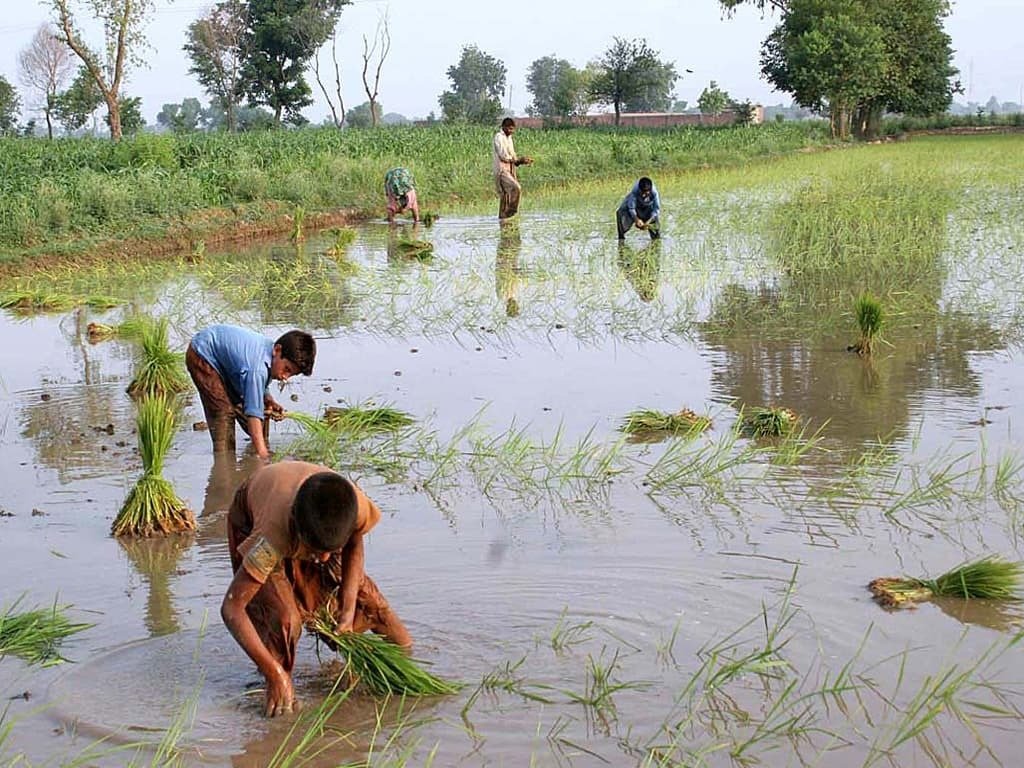
Pakistan’s Planning Minister Ahsan Iqbal says the country is sitting on billions of dollars in untapped export potential — but only if it stops selling raw farm goods and starts selling branded, processed, certified products instead. The remarks came at a roundtable bringing together nearly 100 stakeholders from government, industry, and academia to map out a path for the agriculture sector’s export future.
The Core Problem: Raw Commodities, Not Finished Products
Agricultural products currently make up close to 22% of Pakistan’s total exports, according to Rana Ihsaan Afzal, who spoke alongside Iqbal at the event. The issue, he explained, is that this share remains heavily concentrated in raw, unprocessed commodities — a position that leaves the sector exposed to international price swings and external shocks it has little control over.
Rice is a clear example of this vulnerability. When India lifted restrictions on rice exports in 2025, the resulting oversupply pushed global prices down and directly cut into Pakistan’s competitiveness in one of its largest agricultural export categories.
The Government’s Export Roadmap
| Milestone | Target | Timeline |
|---|---|---|
| Total national exports | $60 billion | By 2030 |
| Total national exports | $100 billion | By 2035 |
| Agri-food exports (FY2024) | $8 billion (already achieved) | 37% growth over the prior year |
Afzal was blunt about what it will take to hit these numbers: reaching $60 billion — let alone $100 billion by 2035 — won’t happen without a real shift toward branding, processing, and value addition across the agriculture sector, rather than continuing to rely on raw commodity exports.
Why Agriculture Matters So Much to This Plan
Iqbal pointed out that agriculture isn’t a minor part of Pakistan’s economy — it contributes roughly a quarter of the country’s GDP and employs around 37% of the national workforce. That scale is exactly why the sector is being positioned as central to the export growth strategy, rather than treated as a secondary contributor behind textiles or IT services.
Which Sectors Are in Focus
The roundtable specifically brought together exporters and growers connected to several sub-sectors seen as having the most room to move up the value chain:
- Meat and poultry
- Dairy
- Rice
- Dates and horticulture
- Olive and organic products
Officials have also pointed to Gulf markets as a priority destination for this shift, noting that Pakistani exporters are increasingly investing in better packaging, quality control, and branding aimed at securing lasting shelf space rather than one-off bulk trading deals.
What the Government Plans to Change
Several concrete measures were outlined at the event to support this transition:
- A review of the Export Policy Order and related regulatory requirements through the Cabinet Committee on Regulatory Reforms
- Expanding the Exim Bank’s export finance pool from Rs. 1 trillion to Rs. 2 trillion between 2026 and 2028
- Monthly monitoring mechanisms to track progress against export targets
Final Thoughts
The message from this roundtable was less about Pakistan’s agricultural potential — which officials agree is substantial, given the country’s land, water, and climate advantages — and more about execution. Turning raw output into certified, branded, higher-margin products is the difference officials say stands between the current $8 billion in agri-exports and a meaningfully larger share of the $100 billion export target set for 2035.
