


Eleven years after their names first surfaced in one of the biggest sports corruption busts in history, the fugitives have finally talked. A father-son duo at the center of the sprawling FIFA corruption scandal admitted in a Brooklyn courtroom this week to paying tens of millions of dollars in bribes to football officials — closing out one of the last major threads of the case that once brought world football’s governing body to its knees.
Who Are Hugo and Mariano Jinkis?
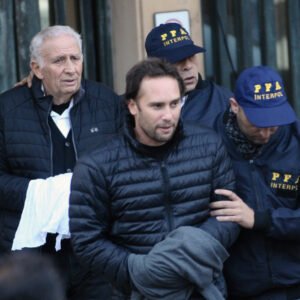
Hugo Jinkis, 81, and his son Mariano, 51, were the controlling principals of Full Play Group, an Argentine sports marketing company that once held valuable broadcasting and marketing rights to major South American football tournaments, including multiple editions of the Copa America. The pair were first named in the US Department of Justice’s original 2015 “FIFAgate” indictments, charged with conspiracy to commit racketeering, wire fraud, and money laundering. Rather than face those charges, the Jinkises remained fugitives in Argentina for years, turning themselves in to Argentine police at the time but never being extradited to the United States — until they quietly traveled there this year as part of a negotiated resolution.
What They Actually Admitted To
This week in a Brooklyn federal court, the Jinkises admitted to devising a scheme that defrauded FIFA and its regional confederations, CONCACAF and CONMEBOL. According to a court filing, the pair “agreed to pay and did pay tens of millions of dollars in commercial bribes” to football executives between 2010 and 2015, in exchange for support securing lucrative media and marketing rights to tournaments including World Cup qualifiers and the Copa America.
Rather than proceeding to trial, the Jinkises reached a deferred prosecution agreement (DPA) with US prosecutors. Under the deal, the government will drop the fraud charges against them, provided they don’t commit new offenses through September 2027. As part of the agreement, the father and son also agreed to forfeit $50 million — a significant financial penalty, but one that notably comes without a formal guilty plea or any jail time.
Why This Case Has Taken So Long
The scale of the original 2015 investigation is part of why it’s taken over a decade to fully resolve. The US probe included coordinated raids on FIFA officials in Zurich, Switzerland, and ultimately led to a long chain of arrests, trials, convictions, and guilty pleas across the football world, implicating officials and marketing executives across multiple continents. The Jinkises’ case adds one more major resolution to that chain, though observers have noted that recent years have seen less aggressive prosecutorial follow-through on sports corruption cases compared to when the scandal first broke.
A Deal That Lets Them Walk Free
The deferred prosecution agreement is a notably different outcome than some other figures caught up in the original FIFAgate scandal faced, several of whom were convicted and served prison time. By admitting to the scheme and agreeing to the $50 million forfeiture without a formal guilty plea, the Jinkises are set to avoid incarceration entirely — a resolution that has drawn attention given the scale of the bribery they’ve now formally acknowledged.
Frequently Asked Questions
Did Hugo and Mariano Jinkis go to prison?
No. Under their deferred prosecution agreement, the fraud charges against them will be dropped, and they are expected to avoid jail time, though they agreed to forfeit $50 million as part of the deal.
What is the FIFA corruption scandal?
It refers to a sweeping 2015 US investigation into bribery and fraud within FIFA and its regional confederations, which led to raids in Zurich and a long series of arrests, trials, and guilty pleas involving football officials and sports marketing executives worldwide.
What company did the Jinkises run?
They were the controlling principals of Full Play Group, an Argentine sports marketing company that held media and marketing rights to major South American football tournaments, including the Copa America.
What is a deferred prosecution agreement?
It’s a legal arrangement that allows criminal charges to be dropped if the accused meets certain conditions, such as admitting to the underlying facts, paying a financial penalty, and avoiding new offenses for a set period — without requiring a formal guilty plea.
Eleven years after the scandal first broke, the Jinkis case shows how long-running these investigations can stretch — and how, even with a public admission of wrongdoing, the final outcome doesn’t always look like the courtroom drama the original 2015 raids once promised.
