


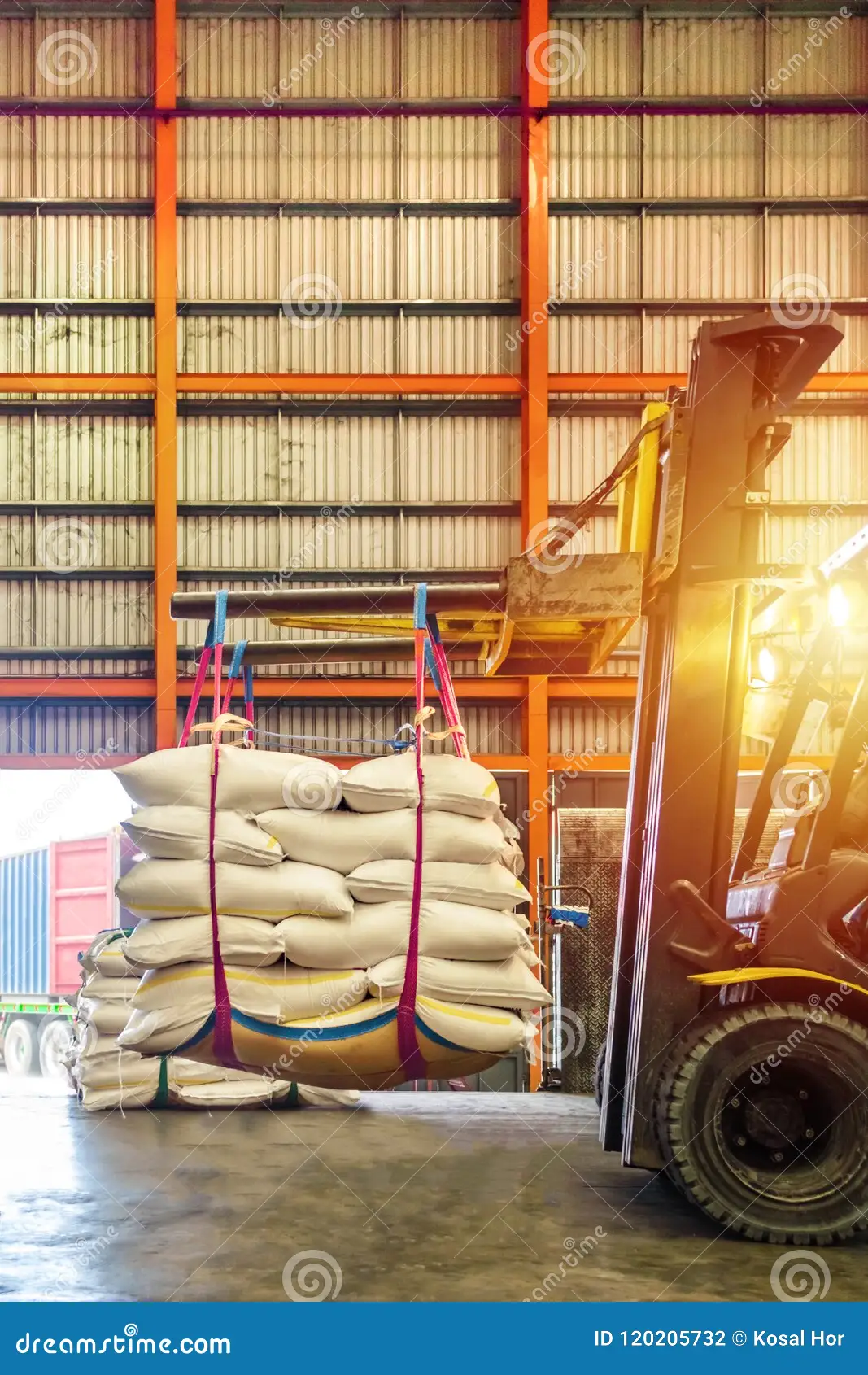
The government has approved another 200,000 metric tonnes of sugar exports — its second such decision in just three weeks — despite a documented history of similar moves driving domestic sugar prices sharply higher, and despite an IMF report that has directly criticized how Pakistan’s sugar sector is regulated.
What Was Just Approved
Deputy Prime Minister Ishaq Dar chaired a steering committee meeting on sugar policy and approved the proposal to export 200,000 more tonnes, though the decision still requires final sign-off from the Economic Coordination Committee (ECC). Federal Minister for National Food Security Rana Tanveer Hussain confirmed the move, saying the country currently holds more than 600,000 metric tonnes of sugar surplus after accounting for domestic needs, with this export representing a portion of that surplus. According to Dar’s office, existing stocks are sufficient to meet domestic demand until the next cane-crushing season begins.
This follows an earlier ECC-approved export of 108,000 metric tonnes on August 19 — meaning the government has now moved to authorize roughly 308,000 tonnes of sugar exports within a single month.
A History That Raises Questions
This isn’t the first time a sugar export decision has followed this pattern, and the outcomes of past rounds are worth knowing:
| Timeline | Decision | What Happened Next |
|---|---|---|
| June 2025 | Export of 790,000 tonnes approved | Domestic supplies fell; government later had to approve imports |
| Mid-2025 | Import of up to 500,000 tonnes approved (only 300,000 tonnes actually imported) | Ex-factory price agreement (Rs. 165–171/kg) signed with millers, valid until Oct 15, 2025 |
| Late 2025 | Millers breached the price agreement | Retail sugar prices climbed to around Rs. 220/kg |
| August 19, 2026 | Export of 108,000 tonnes of leftover imported sugar approved | TCP tender issued for 107,739 tonnes, bids due September 28 |
| September 2026 | Export of 200,000 more tonnes approved (pending ECC) | Outcome yet to unfold |
Of the 300,000 tonnes actually imported in 2025, only around 192,000 tonnes were sold domestically — the remaining roughly 108,000 tonnes sat with the Trading Corporation of Pakistan (TCP) long enough that officials cited its “fast approaching shelf life” as a reason to export it, at a cost of approximately Rs. 50 billion originally spent on those imports.
Why the IMF Is Watching Closely
This latest decision lands against the backdrop of a pointed IMF critique of Pakistan’s sugar sector. The Fund’s Governance and Corruption Diagnostic Assessment report, released last November, described the sector as a case study in how economic elites and state regulators can become intertwined in ways that capture public benefit at deep cost to the wider public. The report noted that around 90 licensed sugar mills operate in Pakistan, a significant number of them owned by political party leaders or current and former elected legislators.
Based on those findings, the IMF attached a condition requiring the government to end its direct role in sugar-sector decision-making and deliver a plan for full liberalization of the sector by June this year. The IMF is expected to review Pakistan’s progress on implementing that condition during a visit this month — timing that puts this latest export approval under particular scrutiny.
What This Could Mean for Consumers
The core consumer concern is straightforward: previous rounds of large-scale sugar exports have coincided with — and arguably contributed to — sharp increases in domestic retail prices, most recently reaching Rs. 220 per kilogram after millers breached their price agreement with the government. Whether this latest 200,000-tonne export follows a similar pattern will depend heavily on how accurately the government’s stated 600,000-tonne surplus figure holds up once exports actually begin moving.
Final Thoughts
With this marking the second sugar export approval in three weeks, a documented pattern of past exports preceding price spikes, and an active IMF governance review specifically targeting this sector, the coming weeks will test whether this decision plays out differently from the ones that came before it — or whether Pakistani consumers end up facing another round of rising sugar prices once exports begin moving.
