


Search interest in “Ebola and Pakistan” has been climbing as news of a major outbreak in Africa spreads — but the most important fact to know upfront is this: as of now, there are zero confirmed or suspected Ebola cases in Pakistan, and health officials describe the country’s risk as extremely low. Here’s a clear, accurate breakdown of what’s actually happening with the global outbreak, and exactly what Pakistan has done in response.
The Real Outbreak: What’s Happening in Africa
In May 2026, the Democratic Republic of the Congo confirmed its 17th Ebola outbreak since the virus was first identified in 1976 — this time caused by the Bundibugyo strain, a rarer species than the more commonly known Zaire strain. The World Health Organization declared it a Public Health Emergency of International Concern on May 16, 2026, and the outbreak has since grown to become the largest Ebola outbreak ever recorded in DRC’s history. As of the most recent WHO update on August 12, 2026, DRC had reported 4,665 confirmed cases and 2,184 deaths, a case fatality rate of roughly 46.8%.
Uganda experienced a smaller, connected outbreak, recording 20–21 confirmed cases and 2–3 deaths. Importantly, Uganda’s outbreak has since been declared officially over: the WHO confirmed its end on August 26, 2026, after 42 days passed without a single new confirmed case. A small number of cases were also medically evacuated to Germany and France for treatment, both linked to individuals who had been working in the affected DRC region, not community transmission in Europe.
Where Pakistan Actually Stands
This is the part that matters most for Pakistani readers: Pakistan’s Ministry of National Health Services has been explicit and consistent — no Ebola case has ever been reported in Pakistan or its neighboring countries, and the risk to Pakistan is considered extremely low, largely due to limited direct travel links with the affected Central African nations. This isn’t a case of Pakistan having stayed quiet on the topic; officials have addressed it directly and repeatedly since the outbreak began.
What Precautions Pakistan Has Actually Taken
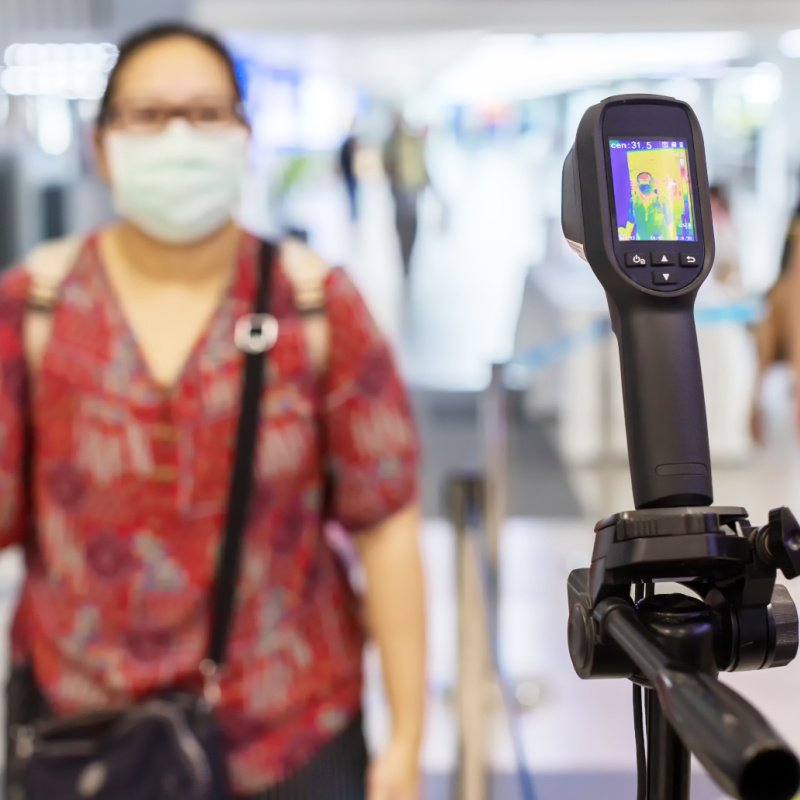
Despite the low risk, Pakistan didn’t wait to act. Following the WHO’s emergency declaration, Federal Health Minister Mustafa Kamal directed authorities to implement strict precautionary screening protocols at all airports nationwide. The Ministry of National Health Services also instructed all provinces and Border Health Services to remain on alert, with the National Institutes of Health and WHO’s Pakistan office continuously monitoring the global situation. Officials have confirmed that Pakistan already has the laboratory capacity to diagnose Ebola if a suspected case were ever identified, and that necessary arrangements and preparedness measures have been put in place proactively — not in reaction to any actual case.
Travelers planning trips to affected African countries have been advised to review relevant travel and health guidance beforehand, though no travel ban or restriction has been recommended by Pakistani authorities.
Why This Outbreak Has Been Especially Hard to Contain
Part of what’s made this particular outbreak so severe traces back to the virus strain itself. The Bundibugyo virus isn’t reliably detected by standard testing methods designed for the more common Zaire or Sudan Ebola species, meaning the outbreak had likely been spreading undetected for some time before it was officially identified. Existing Ebola treatments and vaccines were also developed specifically for the Zaire strain, complicating the medical response to this outbreak in ways previous, more familiar Ebola outbreaks didn’t face. Poor healthcare infrastructure and ongoing armed conflict in the affected DRC provinces have further slowed detection, contact tracing, and treatment efforts on the ground.
Understanding Ebola: The Basics
Ebola spreads primarily through direct contact with the bodily fluids of an infected person, not through casual contact or airborne transmission, which is a key reason why widespread transmission outside the immediate outbreak region remains rare. Symptoms typically include fever, severe weakness, muscle pain, headache, and sore throat, progressing in some cases to vomiting, diarrhea, and internal or external bleeding. The disease has a historically high fatality rate, though early supportive medical care meaningfully improves survival chances.
Frequently Asked Questions
Has Ebola been reported in Pakistan?
No. Pakistan’s Ministry of National Health Services has confirmed that no Ebola case has ever been reported in Pakistan, and the country’s current risk level is considered extremely low.
What is Pakistan doing to prevent an outbreak?
Pakistan has implemented enhanced screening protocols at all airports, placed provinces and Border Health Services on alert, and confirmed it has the laboratory capacity to diagnose Ebola if a suspected case ever arose, all as precautionary measures.
Where is the current Ebola outbreak happening?
The outbreak is centered in the Democratic Republic of the Congo, with a smaller, now-resolved outbreak in Uganda. As of mid-August 2026, DRC had reported over 4,600 confirmed cases, making it the largest Ebola outbreak in the country’s history.
Is it safe to travel to Pakistan right now regarding Ebola risk?
Yes. There is no indication of any Ebola risk associated with travel to or within Pakistan. The outbreak remains confined to specific regions of Central Africa.
The bottom line for Pakistani readers: this remains a serious, actively monitored international health emergency in Central Africa, but it is not currently an outbreak within Pakistan, and health authorities have taken proactive, precautionary steps rather than responding to any confirmed local threat. If you have specific health concerns or recent travel history to affected regions, consult a doctor or your nearest health facility for accurate, personalized guidance.
